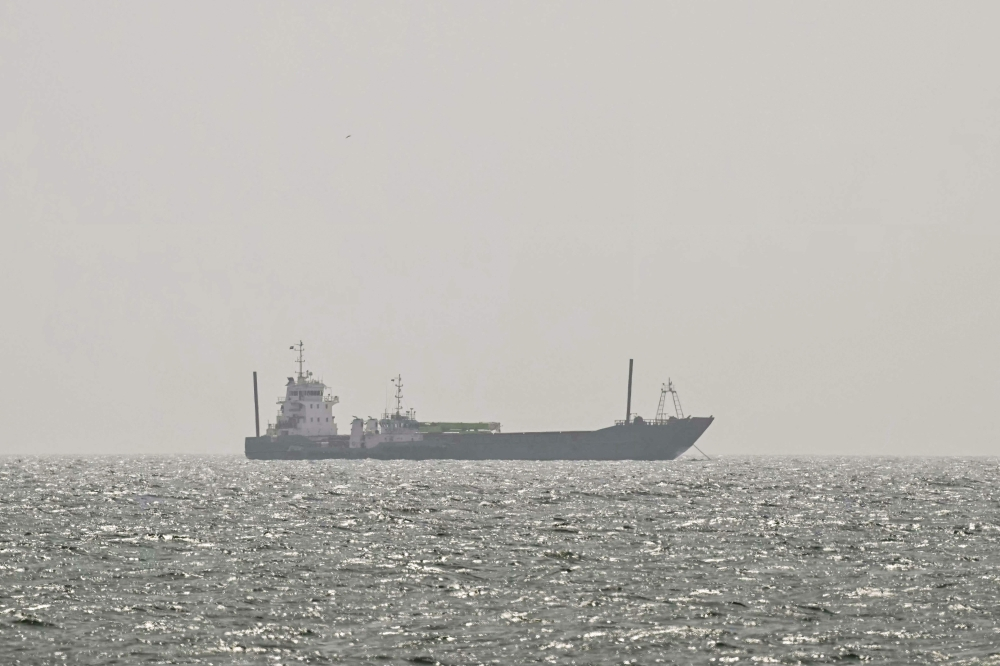
Iran and Oman have reached an agreement on a proposed shipping route through the Strait of Hormuz, marking a potential step toward restoring stability in one of the world’s most important maritime passages. The two countries are now working on final arrangements for jointly managing the strategic waterway, even as ongoing security challenges continue to affect international shipping.
The Strait of Hormuz plays a critical role in global energy transportation, with a significant portion of the world’s oil and liquefied natural gas supplies passing through the narrow waterway every year. Any disruption in this region has the potential to impact fuel markets, international trade, and economies worldwide.
Iranian officials said the proposed route could help improve shipping movement through the strait, but highlighted that broader security concerns remain unresolved. Tehran has stated that any major improvement depends on changes in the current regional situation, including disputes involving foreign naval activity near Iranian waters.
Iran’s Foreign Ministry spokesman Esmaeil Baqaei said the geographical coordinates for the planned route had been agreed upon by both nations. He added that discussions were progressing and that a joint statement outlining key agreements between Iran and Oman was under review.
However, Iranian officials cautioned that reaching an agreement does not automatically mean the Strait of Hormuz will become completely safe for all vessels. They emphasized that ongoing military tensions and regional disagreements continue to create uncertainty for international shipping operators.
Recent incidents have increased concerns among maritime companies. A tanker captain reported hearing explosions while travelling through the Strait of Hormuz near Oman, according to the United Kingdom Maritime Trade Operations agency. The vessel and crew remained safe following the incident.
Meanwhile, regional tensions have continued to affect energy security. Yemen’s Houthi movement claimed responsibility for attacks on Saudi oil tankers, further increasing concerns about the safety of commercial shipping routes across the Middle East.
Before the current crisis, the Strait of Hormuz was responsible for transporting a major share of global oil and LNG exports. Any restrictions or threats surrounding the waterway have caused fluctuations in energy prices and raised concerns among governments and businesses dependent on stable fuel supplies.
US officials have acknowledged that negotiations involving Iran remain complicated, with internal disagreements and diplomatic challenges slowing progress. Iran, however, has denied ongoing negotiations with Washington and has maintained that future arrangements regarding the strait will be handled through regional cooperation.
The agreement between Iran and Oman represents a possible new chapter for maritime coordination in the Gulf region. While the route may provide a framework for improving shipping access, the success of the initiative will depend on wider diplomatic efforts and the ability of countries involved to reduce tensions.
At the heart of this development is a reminder that global trade depends on peaceful cooperation. A single shipping route can affect millions of people, from energy companies and businesses to families managing everyday costs. The future of the Strait of Hormuz will not only shape regional politics but may also influence the stability of the global economy.