Hundreds of people from across Japan have filed a landmark lawsuit against the country’s central government, accusing it of unconstitutional inaction on climate change. The case, the first of its kind in Japan to seek compensation directly from the state over climate policies, involves around 450 plaintiffs who say the government’s weak response to the climate crisis is already harming their health, livelihoods, and basic right to a stable life.
The lawsuit argues that Japan’s efforts to combat climate change are “grossly inadequate” and fail to protect citizens from escalating heatwaves, economic losses, and serious health risks. According to lead lawyer Akihiro Shima, the complaint and evidence have now been officially accepted by the court, marking a significant moment in the country’s legal and environmental history.
Among the plaintiffs is Kiichi Akiyama, a construction worker who says extreme heat has slowed his work to a crawl. Projects that once took days now take weeks, cutting deeply into his income. He described scenes of workers collapsing from heat exhaustion, and in some cases, dying shortly after returning home from work. For people like Akiyama, climate change is no longer an abstract future threat, it is a daily reality.
Experts say Japan has seen climate-related lawsuits before, including cases targeting coal-fired power plants. However, this is the first time citizens have directly sought damages from the government itself for climate inaction. Legal scholars following the case note that the plaintiffs are framing climate stability as a fundamental right, arguing that the government’s failure to act violates constitutional protections for a peaceful and secure life.
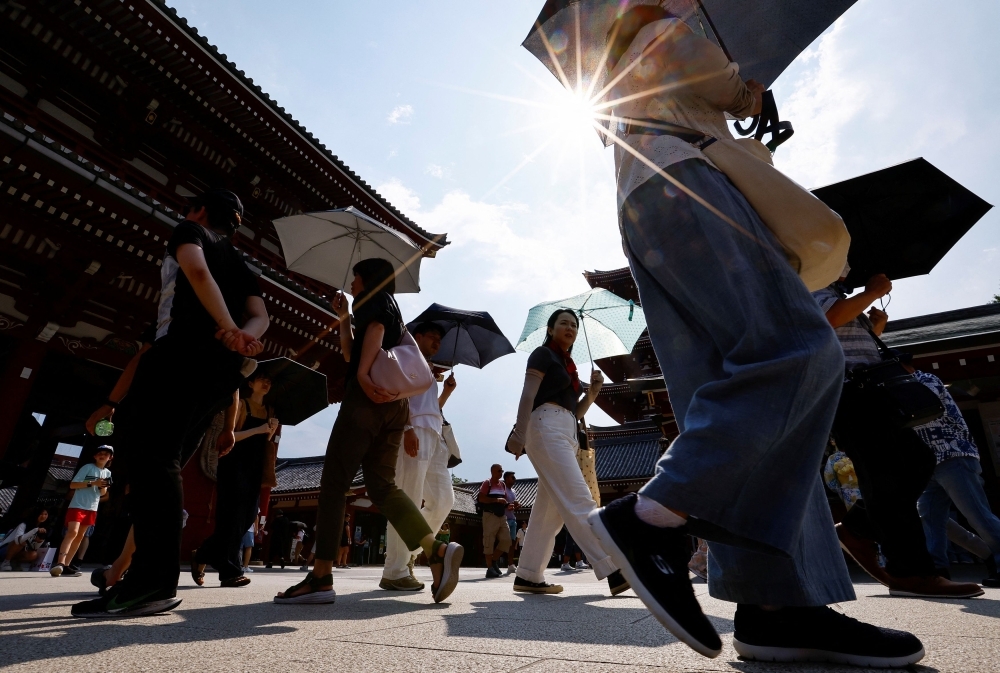
Japan experienced its hottest summer on record this year, with temperatures unseen since records began in 1898. The plaintiffs argue that such extreme heat damages crops, reduces productivity, increases medical risks, and disproportionately affects outdoor workers, children, and the elderly. Akiyama shared that he can now barely dig for ten minutes without needing to rest, something he believes could have been avoided with stronger and earlier government policies.
The case also places Japan within a growing global movement. Similar legal challenges have emerged in South Korea, where young environmental activists recently won a groundbreaking case, and in Germany, where courts have ruled national climate targets unconstitutional for being insufficient. While the Japanese lawsuit seeks damages of just ¥1,000 per person, the lawyers emphasize that money is not the goal. Instead, they want to spotlight the government’s responsibility and force a serious national conversation.
Another plaintiff, identified only as Saito, joined the lawsuit out of concern for her six-year-old son. She explained that record-breaking temperatures have made outdoor play increasingly dangerous. Public pools are sometimes closed due to heat alerts, and playground equipment becomes so hot that children risk burns. For parents like her, climate change is quietly stealing away childhood freedoms that once seemed ordinary.
The lawsuit also challenges Japan’s current emissions targets, arguing they are incompatible with the Paris Agreement’s aim of limiting global warming to 1.5°C. While Japan has pledged to cut emissions by 60 percent by 2035 and 73 percent by 2040 compared with 2013 levels, the plaintiffs say these goals fall far short of what climate science demands and lack legal force.
Legal experts caution that the chances of winning compensation may be slim. Still, they believe the case could succeed in another powerful way by raising public awareness. The plaintiffs’ stories are deeply relatable, grounded in everyday struggles rather than abstract data, and that may be their strongest argument.
At its heart, this lawsuit is not just about laws or policies. It is about people asking to be heard. Construction workers, parents, and ordinary citizens are standing up to say that climate change is already shaping their lives in painful ways. Whether or not the court rules in their favor, the message is clear: for many in Japan, the climate crisis is no longer a future problem. It is happening now, and they are demanding accountability before it becomes even worse.