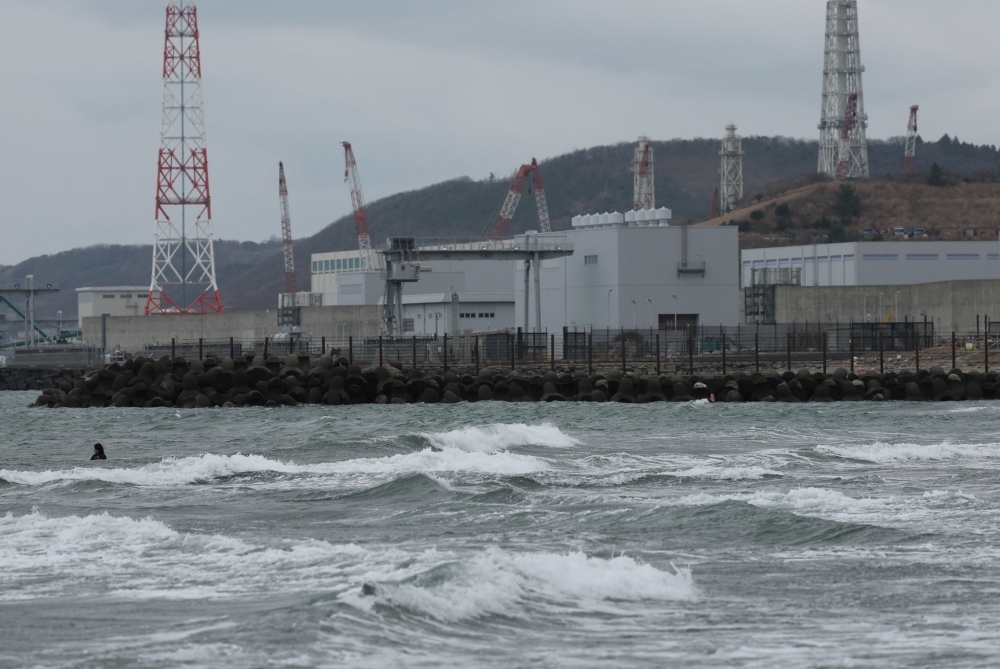
Japan is preparing to take a major step in its energy journey, as the Niigata region is expected to approve the restart of the world’s largest nuclear power plant on Monday. The decision marks a pivotal moment in Japan’s gradual return to nuclear power following the devastating Fukushima disaster of 2011.
The Kashiwazaki-Kariwa nuclear plant, located about 220 kilometers northwest of Tokyo, was among 54 reactors shut down after a massive earthquake and tsunami triggered the Fukushima Daiichi meltdown, the worst nuclear accident since Chernobyl. The shutdown reshaped Japan’s energy policy and public trust in nuclear power for more than a decade.
Since then, Japan has cautiously brought 14 of its 33 operable reactors back online as it works to reduce its heavy dependence on imported fossil fuels. Kashiwazaki-Kariwa would be especially symbolic, as it would be the first reactor restart managed by Tokyo Electric Power Company (Tepco), the same operator responsible for the Fukushima plant.
Tepco spokesperson Masakatsu Takata said the company remains committed to ensuring such a disaster never happens again, emphasizing safeguards designed to protect Niigata residents from any similar experience. If approval is granted, Tepco is considering restarting the first of the plant’s seven reactors as early as January 20, according to public broadcaster NHK, though the company has not officially confirmed the timeline.
Despite government backing, public resistance remains strong. Earlier this year, Tepco pledged to invest ¥100 billion over the next decade into Niigata in an effort to gain local support. Yet skepticism persists. A prefectural survey released in October revealed that 60 percent of residents believe conditions for the restart have not been met, while nearly 70 percent expressed concern about Tepco’s ability to safely operate the plant.
For some residents, these concerns are deeply personal. Ayako Oga, a 52-year-old farmer and anti-nuclear activist, relocated to Niigata after fleeing the Fukushima region in 2011. Her former home lies within the 20-kilometer exclusion zone. She says the trauma of the disaster still lingers and fuels her opposition to the restart.
“We’ve lived through the consequences of a nuclear accident,” Oga said. “That risk can’t just be brushed aside.” She added that news of the restart brings back fear and emotional distress, even years later.
Niigata Governor Hideyo Hanazumi, who backed the restart last month, has acknowledged these anxieties, stating that his long-term hope is for Japan to move toward energy sources that do not cause public fear. Still, on Monday, the prefectural assembly will hold a confidence vote on Hanazumi, a move widely seen as the final political hurdle before Tepco proceeds.
If the plant restarts, even a single reactor could increase electricity supply to the Tokyo metropolitan area by about 2 percent, according to Japan’s trade ministry. Prime Minister Sanae Takaichi, who took office two months ago, supports nuclear restarts as a way to strengthen energy security and reduce the financial burden of fossil fuel imports, which currently account for 60 to 70 percent of Japan’s electricity generation.
Last year alone, Japan spent ¥10.7 trillion on imported liquefied natural gas and coal. At the same time, future energy demand is expected to rise, driven by the rapid expansion of power-hungry AI data centers. To balance energy security and climate commitments, Japan aims to double nuclear power’s share of its electricity mix to 20 percent by 2040.
Energy experts see the Kashiwazaki-Kariwa decision as a crucial test. Joshua Ngu of consultancy Wood Mackenzie described public acceptance of the restart as a critical milestone toward achieving Japan’s long-term energy goals. Meanwhile, Kansai Electric Power has already announced preliminary surveys for a new reactor in western Japan, the first such move since Fukushima.
Yet beyond statistics, targets, and policy debates, the restart touches a deeper nerve. For residents like Oga, nuclear power is not just an energy source, it is a lived memory of loss, fear, and displacement. As lawmakers cast their votes, Japan stands at a crossroads, weighing energy security and economic pressure against public trust and the emotional scars left by one of the nation’s darkest chapters.