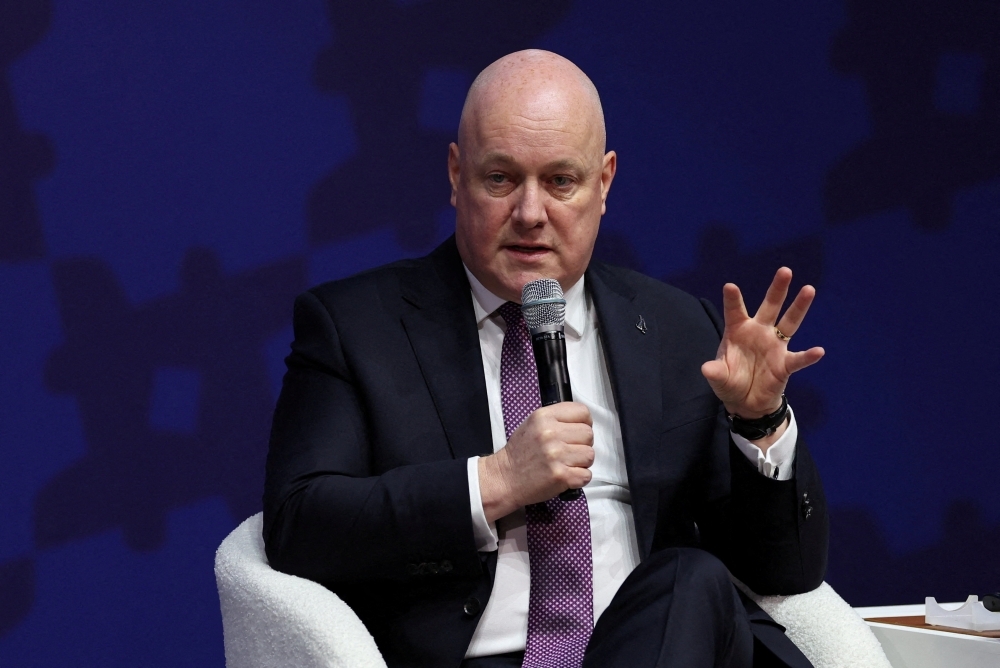
New Zealand will head to the polls on November 7 after Prime Minister Christopher Luxon formally announced the general election date, setting the stage for a closely watched political contest later this year. The announcement comes as Luxon highlights his government’s performance on the economy and law and order, while opposition parties prepare to challenge his leadership.
Speaking to reporters, Luxon said the timing of the election was influenced partly by the country’s packed sporting calendar, including a high-profile All Blacks home match against Australia a month earlier. In a nation where rugby is deeply woven into daily life, major fixtures often shape national attention and planning.
Recent polling suggests a tight race. The latest Taxpayers Union/Curia survey shows the opposition Labour Party narrowly ahead with 31.6 percent support, compared to 30.0 percent for Luxon’s National Party. However, the same poll indicates that National’s coalition partners could still keep Luxon in power if the numbers hold.
The prime minister used the announcement to reinforce his government’s message of stability and recovery. He argued that when his administration took office, New Zealand was struggling, and that steady progress over the past two years is now beginning to show results.
According to Luxon, economic confidence is returning, with growth visible across building, manufacturing, and exports. He also pointed to inflation falling sharply, from around seven percent under the previous government to below three percent today, as a sign that economic pressures on households are easing.
Luxon further highlighted progress on international trade, particularly a free trade agreement with India, which he said is expected to be passed into law later this year. On crime, he emphasized stronger policing and improved safety outcomes, citing fewer victims, reduced youth offending, and a significant decline in ram raids.
The opposition, however, sees the election timing differently. Labour Party leader Chris Hipkins accused Luxon of delaying the vote out of political self-interest, describing the November date as unusually late compared to recent elections, which have traditionally taken place in October.
Hipkins said Labour would focus its campaign on optimism and forward-looking policies, contrasting this with what he described as negativity and cuts under the current government. He insisted that New Zealanders deserve a more hopeful vision for the future.
As the campaign period approaches, voters will be weighing competing claims about economic recovery, public safety, and leadership direction. Beyond statistics and political strategies, the November 7 election will ultimately reflect how New Zealanders feel about their everyday lives, their sense of security, and their confidence in the country’s path ahead.