
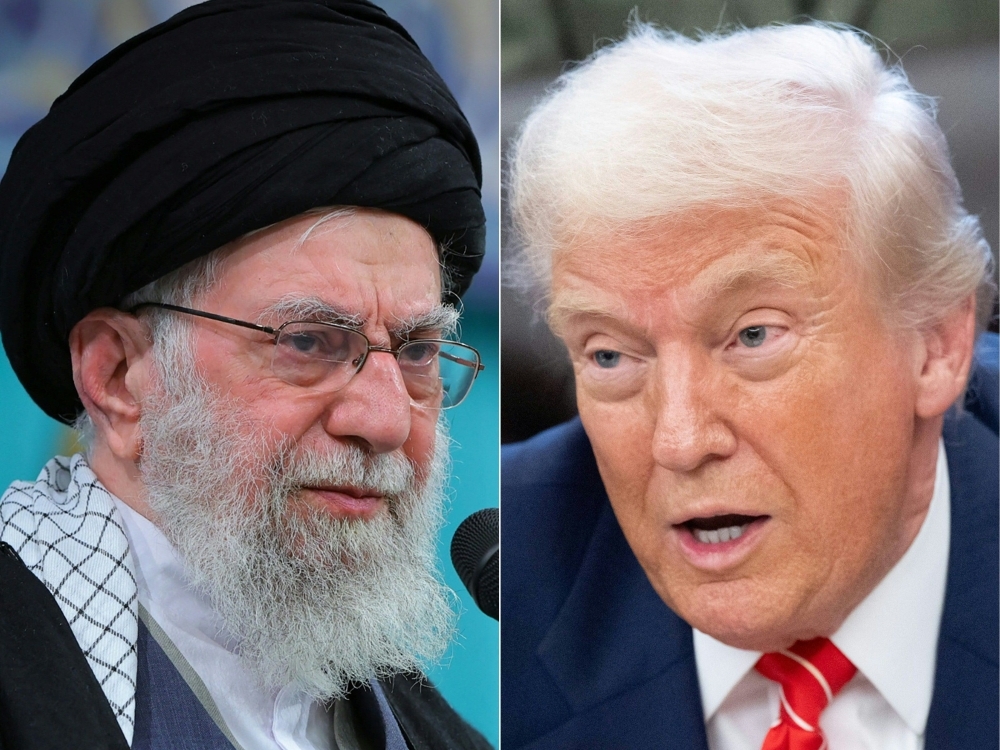
The United States and Iran are meeting in Oman for the first nuclear negotiations since heightened conflict erupted earlier this year. Both sides are cautiously exploring whether diplomacy can ease tensions over Iran’s nuclear program, while the possibility of military action still hangs in the background.
The talks, confirmed late Wednesday after weeks of uncertainty over location and timing, mark the first formal engagement since the U.S. joined Israel’s military operations against Iranian nuclear sites in June.
Leading the delegations are U.S. Middle East envoy Steve Witkoff and Iranian Foreign Minister Abbas Araghchi. Oman, known for quietly mediating between the two countries, is hosting the discussions.
Iran’s foreign ministry emphasized the importance of seizing any diplomatic opportunity to preserve peace, urging Washington to approach talks with “responsibility, realism, and seriousness.”
This negotiation comes less than a month after nationwide protests in Iran against the clerical leadership, a movement that was met with a harsh crackdown, leaving thousands dead according to rights groups.
“They’re negotiating,” said former President Donald Trump. “They don’t want us to hit them; we have a big fleet going there,” he added, referring to the U.S. aircraft carrier presence in the Gulf.
Trump’s recent focus has shifted from threatening military intervention to controlling Iran’s nuclear ambitions, which the West fears could lead to the development of nuclear weapons. Vice President JD Vance underscored that Trump is “keeping options open” and aims to resolve the situation through diplomacy if possible, though military action remains on the table.
Global leaders have called for caution. German Chancellor Friedrich Merz urged Iran to “truly enter talks” to prevent military escalation in the region. Turkish President Recep Tayyip Erdogan highlighted that diplomacy is the only viable path forward.
Ahead of the talks, disagreements persisted over whether the meeting should involve regional players and discussions about Iran’s missile programs and support for proxy groups. Reports indicate the U.S. agreed to focus primarily on the nuclear issue while also touching on missiles and militant activities to build a framework for a potential deal.
Experts remain skeptical. The U.S.-based Institute for the Study of War noted that Iran’s unwillingness to meet certain U.S. demands lowers the likelihood of a successful diplomatic outcome.
Tensions remain high. The U.S. has deployed a naval group led by the aircraft carrier USS Abraham Lincoln to the region, while Iran has vowed retaliation if attacked. Iranian army spokesperson General Mohammad Akraminia warned that Iran has “easy access” to U.S. bases in the region and that it is up to Washington to choose between compromise or war.
In a tense move, Iran’s Revolutionary Guards recently seized two oil tankers in Gulf waters over alleged fuel smuggling. Details about the tankers’ flags or crew nationalities remain unclear. Former Iranian foreign minister Ali Akbar Velayati, a senior adviser to Supreme Leader Khamenei, reaffirmed that Iran is prepared to confront any foreign threat.
As the world watches, the talks in Oman could either pave the way for cautious diplomacy or deepen the risk of conflict. For millions living in the region, the outcome is far more than political—it’s deeply personal, affecting families, communities, and everyday life. These negotiations are a reminder that behind headlines and political rhetoric are real human stories, and the hope for peace rests on both courage and compromise.