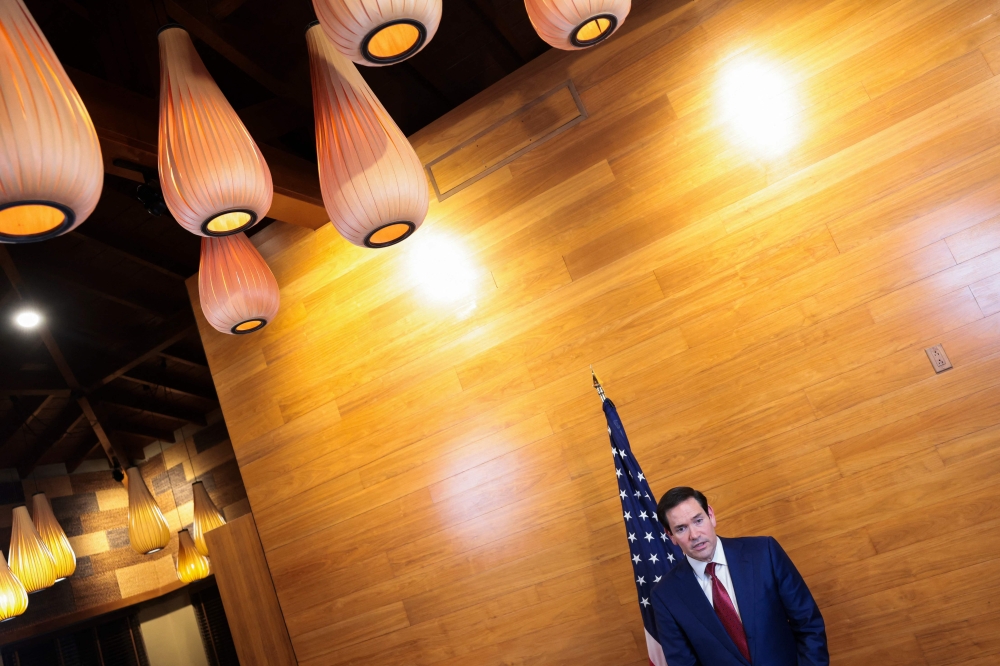
The United States has taken a significant step by easing its oil embargo on Cuba, but US Secretary of State Marco Rubio emphasized that the island nation must undergo “dramatic” reforms. Speaking at a Caribbean Community summit in Saint Kitts and Nevis, Rubio blamed Cuba’s economic crisis on the communist government’s own policies, urging immediate action to improve living conditions for the Cuban people.
A Cuban-American and long-time critic of Havana, Rubio expressed concern that Cuba’s instability could ripple across the region. He defended the January 3 US operation that deposed Venezuela’s leftist leader, Nicolas Maduro, a move that had disrupted Cuba’s oil supply, as the island had relied on Venezuela for nearly half of its needs. The resulting fuel shortages led to rolling blackouts and deepened economic hardships.
Under the new US Treasury guidelines, Venezuela can export oil to Cuba if it is directed to the private sector—a rare but growing presence in the communist nation. Rubio warned, however, that any diversion of these resources to the Cuban government or military would trigger sanctions once again.
“Cuba needs to change. It needs to change dramatically because it is the only chance that it has to improve the quality of life for its people,” Rubio told reporters.
Rubio described Cuba’s system as “in collapse” and called for bold economic and political reforms. He attributed the dire situation to economic mismanagement and the absence of a thriving private sector since Fidel Castro’s 1959 revolution.
Regional Concerns
Cuba recently reported killing four individuals on a Florida-registered speedboat, claiming they intended to infiltrate from the United States. Rubio stated that Washington is still investigating the incident.
Leaders across the Caribbean warned that further deterioration in Cuba could trigger regional instability and migration. Jamaican Prime Minister Andrew Holness highlighted the humanitarian consequences, saying, “A prolonged crisis in Cuba will not remain confined to Cuba.”
Canada, maintaining warm ties with Havana, pledged C$8 million (RM22.5 million) in aid, while Saint Kitts and Nevis Prime Minister Terrance Drew, who trained as a doctor in Cuba, spoke of food shortages and overflowing garbage on the streets. “A destabilized Cuba will destabilize all of us,” he warned.
Venezuela and Haiti
Rubio defended the operation against Maduro, noting that Venezuela has made “substantial” progress since his removal. He emphasized the need for fair and democratic elections, though no timetable was given. He also met with Haiti’s Prime Minister Alix Didier Fils-Aime, expressing optimism about a new UN-backed force to combat gang violence and hopes for Haiti’s first elections in a decade.
Rubio’s visit marked him as the highest-ranking US official ever to step foot in Saint Kitts and Nevis, a former British colony known for its tourism and as the birthplace of US founding father Alexander Hamilton.
As Cuba faces a turning point, the message is clear: meaningful change could bring hope and stability, but without it, the struggles of everyday Cubans may continue to intensify. The world is watching, and the region feels the impact.