A new regional survey is revealing a significant shift in how Southeast Asia views global power dynamics—and the message is clear: the balance is tilting again.
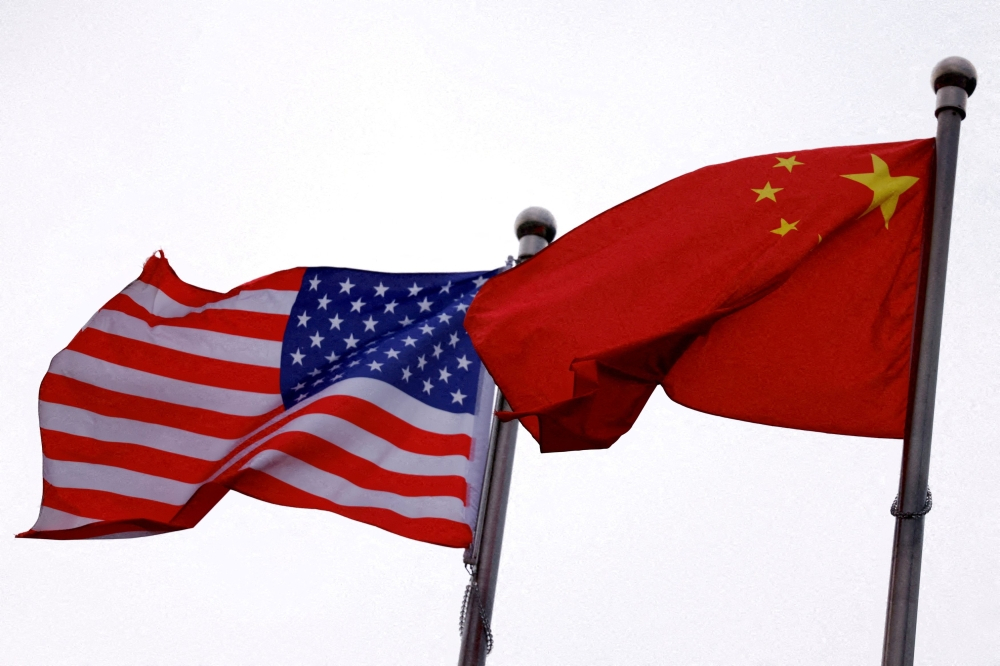
The State of Southeast Asia 2026 report, released by the ASEAN Studies Centre at ISEAS – Yusof Ishak Institute on April 7, shows that China has once again emerged as the preferred superpower among ASEAN nations. This marks the second time in three years that China has edged ahead of the United States in regional perception.
According to the findings, when respondents were asked to choose between China and the US, 52 percent favored China, while 48 percent leaned toward the United States. This represents a notable reversal from 2025, when the US held a slight advantage. Interestingly, this isn’t the first time China has taken the lead—back in 2024, it narrowly surpassed the US as well.
However, beneath this apparent preference lies a deeper sentiment: Southeast Asia doesn’t want to be forced into choosing sides. A majority of respondents—55.2 percent—emphasized the importance of stronger ASEAN unity to withstand pressure from major global powers. Meanwhile, 24.1 percent expressed a clear desire to remain non-aligned, reinforcing the region’s long-standing commitment to strategic independence.
One of the biggest drivers behind this shift appears to be growing unease over US foreign policy, particularly under Donald Trump. The survey identified his approach as the top geopolitical concern across the region. Economic worries are also rising, especially after the introduction of reciprocal global tariffs that have directly impacted economies like Singapore, Indonesia, Malaysia, and Thailand.
As a result, countries are starting to rethink their dependencies. Around 20.7 percent of respondents now see the development of alternative supply chains as a top priority—an indication that resilience and diversification are becoming key strategic goals.
Perceptions of the US have also taken a hit. Negative sentiment has surged, with pessimism nearly doubling from 14.2 percent in 2025 to 29.5 percent in 2026. Among those expressing distrust, 35 percent worry that American military and economic strength could threaten national sovereignty. Additionally, 38.5 percent believe the US should place greater emphasis on respecting international law rather than acting unilaterally.
Timing also played a role in shaping opinions. The survey period, from early January to late February, overlapped with US military actions in Venezuela and strikes on Iran. Subsequent global developments—including the death of Iran’s Supreme Leader Ali Khamenei and the closure of the Strait of Hormuz—triggered energy shortages and rising prices in countries like Malaysia and Thailand, further amplifying regional anxieties.
While China is gaining ground, it is not without scrutiny. The survey shows that 55.9 percent of respondents view China as the most influential economic power, and 40 percent see it as the leading political-strategic force in the region. Yet concerns remain. About 30.3 percent worry about China’s interference in domestic affairs, while 28 percent are uneasy about its activities in the South China Sea and the Mekong River.
There is also a clear path forward, according to respondents. Around 35.1 percent believe China could strengthen relationships by resolving territorial disputes through international law—highlighting the region’s desire for stability and fairness.
Amid this global tug-of-war, Japan stands out as the most trusted external partner, earning a strong 65.6 percent trust rating. The European Union follows with 55.9 percent, suggesting that ASEAN countries still value balanced and diversified partnerships.
The survey gathered insights from 2,008 individuals across government, academia, media, and the private sector—making it one of the most comprehensive snapshots of regional sentiment.