Even as the Strait of Hormuz begins to reopen, the global aviation industry is not out of danger just yet. According to the International Air Transport Association (IATA), the ripple effects of the recent disruption could take months to fully settle.
Speaking in Singapore, IATA Director General Willie Walsh explained that while oil flow may resume, the damage to refining operations in the Middle East has created a deeper, longer-lasting supply challenge.
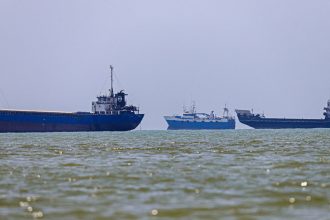
For weeks, the Strait of Hormuz — one of the world’s most critical oil transit chokepoints — was nearly paralyzed due to escalating tensions in the Middle East. This disruption sent shockwaves through global energy markets, pushing up crude oil prices and tightening jet fuel availability.
Although oil prices dropped after a temporary ceasefire agreement between the United States and Iran, the situation remains fragile. The agreement, which includes a short-term reopening of the strait, offers some relief — but not an immediate solution.
Walsh emphasized that restarting crude oil shipments is only part of the recovery process. Refining capacity, which has been heavily impacted, will take significantly longer to restore. This means airlines and fuel suppliers are still facing a bottleneck that won’t ease overnight.
The reality is simple: even if crude starts flowing again, turning it into usable jet fuel at scale takes time. And that delay will continue to pressure supply chains globally.
For travelers, this could translate into higher airfares. Historically, when fuel costs rise, airlines have little choice but to pass on the burden to passengers. According to Walsh, this outcome is almost certain.
Meanwhile, some airlines outside the Middle East have temporarily benefited by capturing rerouted traffic. However, this shift is unlikely to last. Walsh remains confident that major Gulf aviation hubs will bounce back quickly once stability returns, as their capacity and infrastructure remain unmatched.
What This Means for the Real World
Behind the headlines and market movements, this crisis affects everyday people — from travelers facing more expensive flights to businesses dealing with rising logistics costs. It’s a reminder of how interconnected the world truly is. A disruption in one narrow waterway can ripple across continents, impacting industries, economies, and individual lives.
While the reopening of the Strait of Hormuz offers hope, patience will be key. Recovery won’t happen overnight — but with time, stability, and coordinated efforts, the global aviation sector is expected to regain its footing.