Australia has instructed all non-essential government officials in Lebanon to leave the country immediately, citing a rapidly worsening security situation across the Middle East. The announcement was made by Australia’s Foreign Minister Penny Wong, who confirmed that the directive is part of a broader safety response as tensions escalate across the region.
In a message shared on social media platform X, the foreign minister explained that the decision was taken due to the deteriorating security environment, which has raised serious concerns about the safety of diplomatic staff and civilians.
Despite the evacuation order, the Australian government emphasized that essential officials will remain in Lebanon to continue providing assistance to Australians who may still be in the country and require support.
The move follows similar instructions issued earlier for Australian diplomats stationed in Israel and the United Arab Emirates, reflecting growing fears that the conflict spreading across the Middle East could pose greater risks for foreign nationals and diplomatic personnel.
Growing Concern for Australians Across the Middle East
According to government estimates, approximately 115,000 Australian citizens are currently living or traveling throughout the Middle East. Out of that number, about 2,600 Australians have already returned home as tensions intensified in recent weeks.
Officials are now urging Australians still in the region to leave as soon as possible if it is safe to do so.
Foreign Minister Wong delivered a clear and urgent warning:
Australians in the Middle East should consider leaving immediately if they can do so safely. Waiting too long could make evacuation more difficult as the situation continues to evolve.
The government fears that transportation routes could become limited or unavailable if the conflict spreads further.
Conflict Escalation After Strikes on Iran
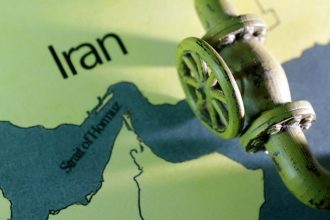
The regional crisis intensified following military strikes launched by the United States and Israel on February 28, targeting key sites in Iran. The attacks reportedly killed Iran’s supreme leader Ayatollah Ali Khamenei, triggering widespread retaliation and sparking a broader conflict across the Middle East.
In response, Iran launched drone and missile strikes aimed at Israeli targets and several Gulf nations, including the United Arab Emirates, Bahrain, and Qatar.
The ongoing exchange of attacks has dramatically increased tensions and raised fears of a wider regional war.
Rising Casualties Across Multiple Countries
Officials report that the conflict has already caused significant loss of life.
In Israel, authorities say 14 people have been killed since the start of the war involving Iran.
Across Gulf states targeted by Iranian strikes, 24 people have reportedly died, including 11 civilians and seven United States military personnel.
Inside Iran, the country’s health ministry stated earlier this week that more than 1,200 people have been killed amid the ongoing conflict and airstrikes.
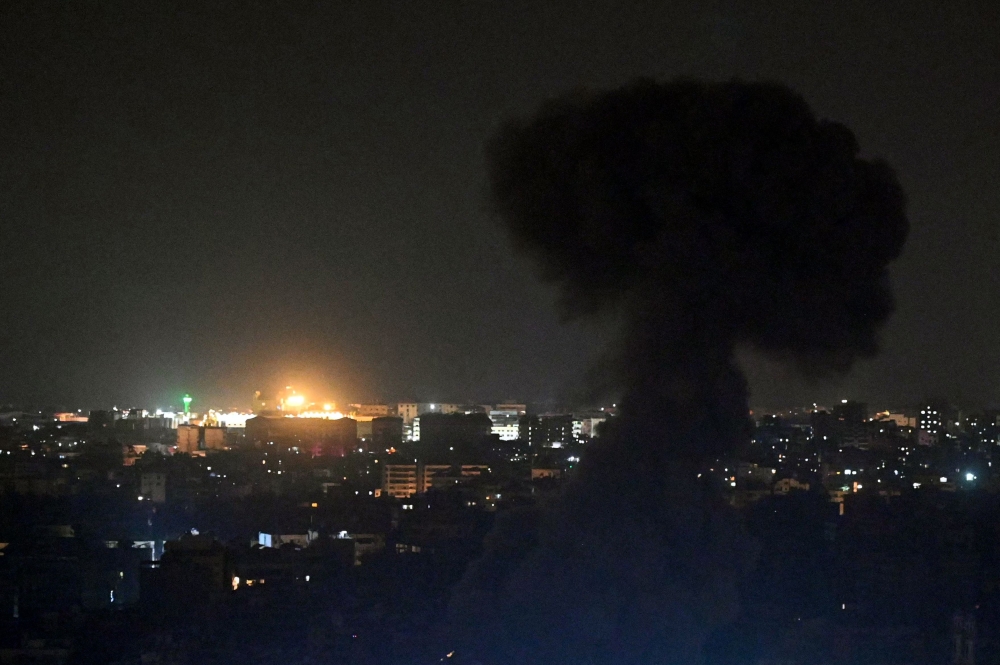
Meanwhile, Lebanon has also suffered hundreds of deaths, as fighting and regional spillover violence continue to intensify.
Australia Deploys Military Surveillance Support
Amid the growing crisis, Australia has also announced plans to deploy a long-range military reconnaissance aircraft to the Gulf region. Officials say the aircraft will help monitor the situation and assist efforts aimed at protecting civilians and ensuring regional stability.
The Australian government has publicly supported the US-Israel strikes, stating that the operation was necessary to prevent Iran from developing nuclear weapons.
However, the rapidly escalating conflict has now created a volatile environment that is affecting multiple nations across the Middle East.
A Region Standing at a Critical Moment
The decision to evacuate non-essential officials from Lebanon highlights how quickly the situation is changing. Governments around the world are closely monitoring developments, while citizens in the region face growing uncertainty.
For Australians living abroad in the Middle East, the message from Canberra is clear: stay alert, follow official guidance, and leave if it is safe to do so.
As tensions continue to unfold, diplomatic efforts and international cooperation will be crucial in preventing the crisis from spiraling into a wider and more devastating regional conflict.