Nepal is heading toward a pivotal parliamentary election in March, and a new political alliance is reshaping expectations. Two of the country’s most popular modern leaders have joined forces, positioning themselves as challengers to the long-standing political parties that have guided national politics for more than thirty years, party representatives and analysts confirmed.
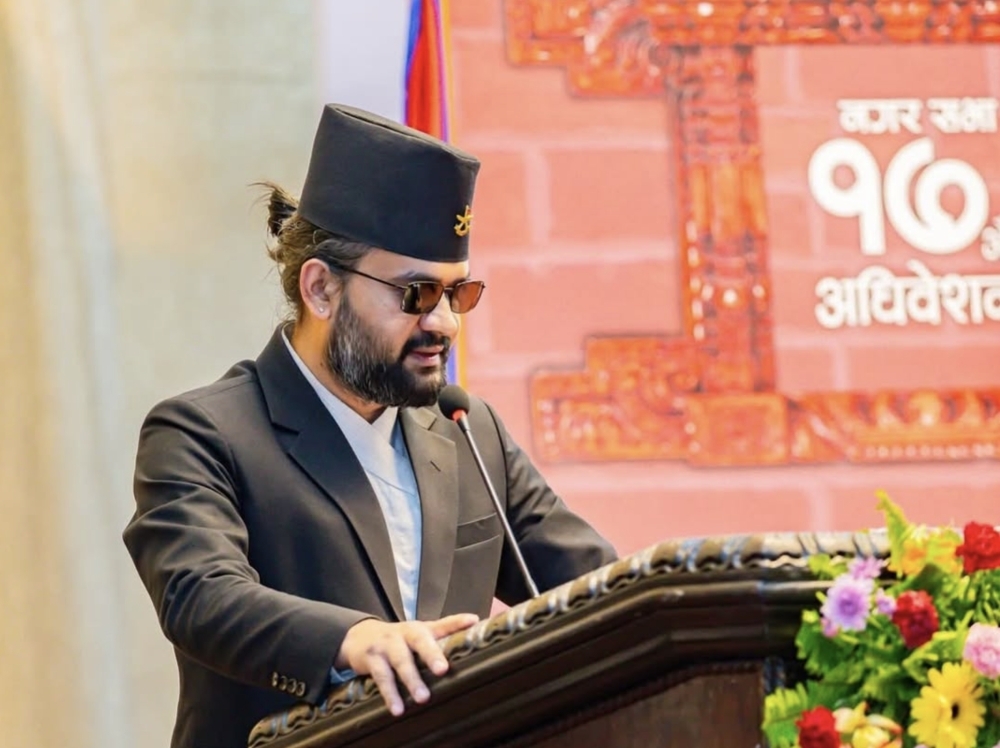
Balendra Shah — widely known as Balen — made his name first as a rapper and later as the dynamic mayor of Kathmandu. On Sunday, he officially joined the Rastriya Swatantra Party (RSP), the National Independent Party led by former television host-turned-politician Rabi Lamichhane. According to party officials, their agreement states that if the RSP secures victory in the March 5 elections, the 35-year-old Shah will be put forward as Nepal’s next prime minister, while Lamichhane will continue as party chief.
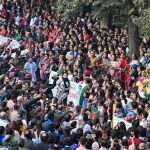
Both leaders have committed to tackling the frustrations voiced during the Gen-Z-led protests against corruption that swept through the country in September. Those protests — which turned deadly and ultimately led to the resignation of then-Prime Minister K. P. Sharma Oli — brought youth anger and political fatigue into sharp focus.
Political analyst Bipin Adhikari noted that the RSP’s move is both strategic and symbolic, saying the inclusion of Shah and his young supporters strengthens the party’s reach. Traditional parties, he added, are now feeling the pressure of losing younger voters who are seeking alternatives.
Of Nepal’s roughly 30 million citizens, about 19 million are eligible to vote according to the election commission, with nearly one million newly registered voters — most of them young — joining the rolls after the protests.
Shah rose prominently during those demonstrations and became an informal figurehead for many of the participating youths. He also played a role in helping form the interim government under former Chief Justice Sushila Karki to guide the country toward elections.
For decades, political power in Nepal has largely alternated between Oli’s Communist Party of Nepal (Unified Marxist–Leninist) and the centrist Nepali Congress. With Shah’s entry into the race, that pattern now faces a serious test.