Authorities in the Philippines have confirmed that the father and son accused of carrying out one of Australia’s deadliest mass shootings spent most of November in the country before returning to Sydney.
According to immigration officials in Manila, Sajid Akram, 50, and his son Naveed Akram, 24, arrived in the Philippines together on November 1, traveling from Sydney. Immigration records show that Sajid Akram entered the country as an Indian national, while his son held Australian nationality. Both listed Davao, a city in the southern province of Mindanao, as their final destination.
Philippine immigration spokesperson Dana Sandoval stated that the pair departed the country on November 28, flying from Davao to Manila before boarding a connecting flight back to Sydney. Earlier reports from police and military sources had indicated that authorities were still verifying whether the two men had been in the country, confirmation that has now been officially provided.
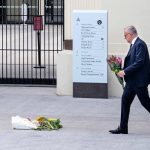
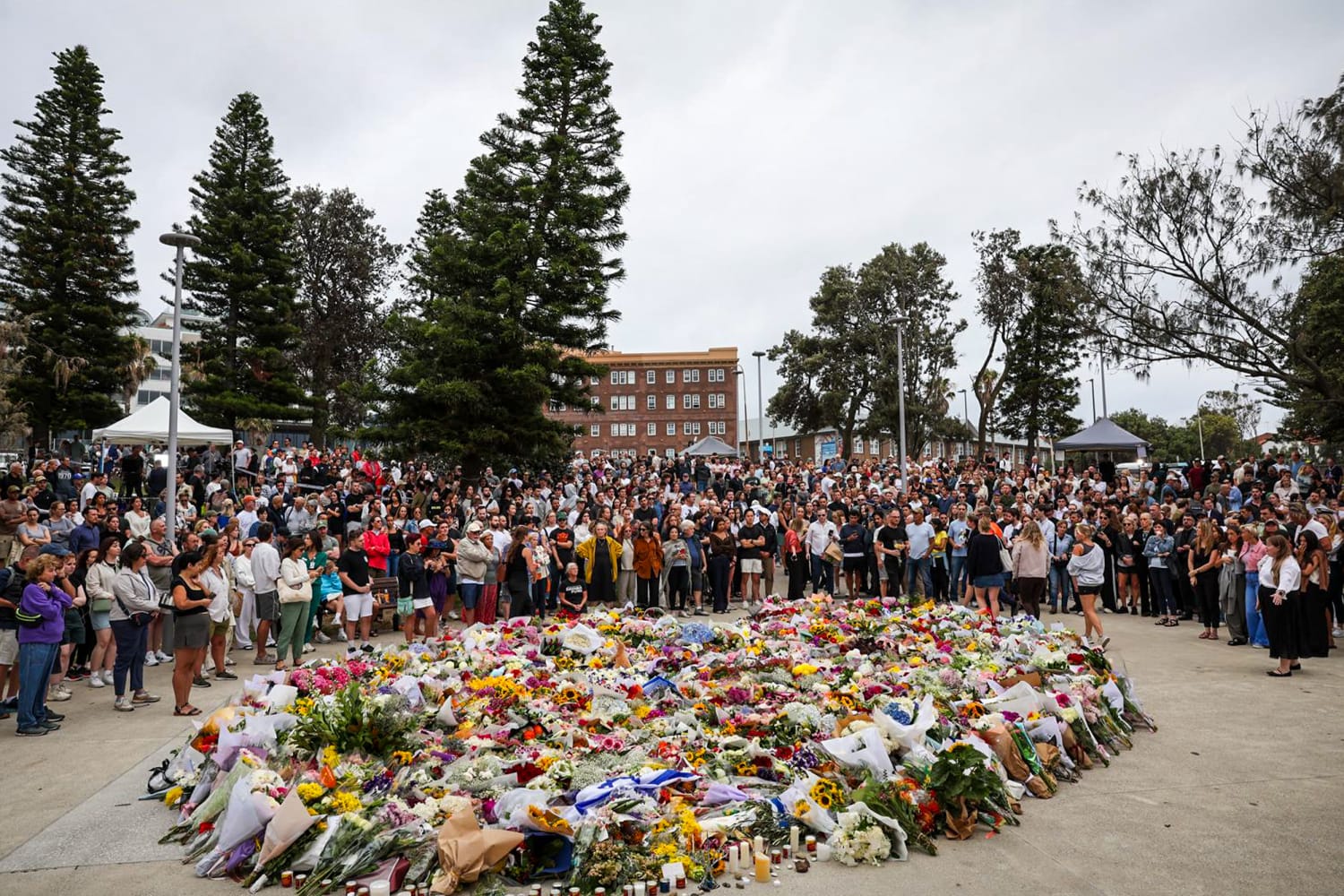
The case has drawn international attention following the deadly attack at a Hanukkah celebration on Sydney’s Bondi Beach, where 15 people were killed and dozens more injured. Australian Prime Minister Anthony Albanese said the suspects were believed to have been radicalized by Islamic State ideology.
Davao is located on the island of Mindanao, a region that has long faced Islamist insurgencies. In 2017, the city of Marawi in Mindanao was overtaken by pro-Islamic State militant groups, including the Maute group and Abu Sayyaf. The five-month military operation to reclaim Marawi resulted in more than 1,000 deaths and displaced hundreds of thousands of residents. While militant activity has declined in recent years, Philippine security forces continue operations against remaining extremist elements.
As investigations continue across borders, officials in both Australia and the Philippines are working to piece together the suspects’ movements and possible influences in the weeks leading up to the attack.
At the heart of this tragedy are innocent lives lost and families forever changed. Beyond the facts and timelines, this story is a stark reminder of how extremism can cross borders silently, leaving devastating consequences behind. Communities around the world now mourn together, hoping that truth, accountability, and vigilance can help prevent such heartbreak from happening again.