In a dramatic turn that has sent ripples across global markets, China is urging the United States to reverse unilateral tariffs imposed by President Donald Trump following a powerful ruling from the US Supreme Court.
The court, in a narrow six-to-three decision on Friday, ruled that Trump did not have the authority to impose certain tariffs under a 1977 law he had relied upon. The judgment struck at the heart of a key economic strategy that has reshaped global trade relationships over the past years.
Rather than stepping back, Trump responded swiftly and forcefully. Within hours, he announced a fresh 10 percent global tariff on imports under a different legal framework. By Saturday, that figure had been raised to 15 percent, signaling that Washington’s hardline trade stance was far from over.
China’s Ministry of Commerce reacted on Monday, stating it is conducting a “comprehensive assessment” of the ruling’s broader impact. At the same time, Beijing made its position clear: it wants the United States to cancel the unilateral tariff measures.
“There are no winners in a trade war,” the ministry emphasized, warning that protectionism only leads to economic strain and instability.
The new 15 percent global duties are set to take effect on Tuesday and are expected to remain in place for 150 days, although certain product exemptions will apply.
China’s Foreign Ministry added that it is watching closely for any alternative actions Washington might pursue. US officials have reportedly been considering new trade investigations or alternative mechanisms to maintain increased tariffs on trading partners.
“China will continue to pay close attention to this and resolutely safeguard China’s interests,” the ministry said.
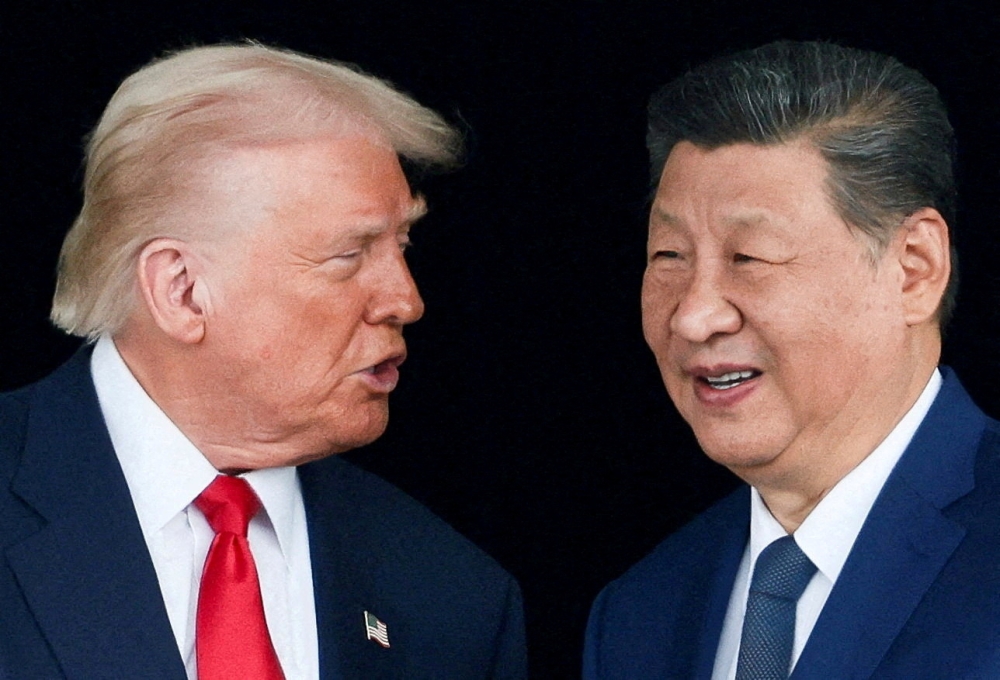
The tension comes at a sensitive moment. President Trump is scheduled to visit China in the coming weeks — his first trip there during his second term. Despite rising trade friction, US Trade Representative Jamieson Greer has indicated that an anticipated April meeting between Trump and Chinese President Xi Jinping is not intended to escalate trade disputes.
Still, the Supreme Court’s decision represents a rare and significant judicial setback for Trump. Since returning to office, he has largely enjoyed favorable outcomes from the court. This ruling, however, challenges one of his defining economic strategies and adds uncertainty to an already fragile global trade order.
Several nations, including key US trade partners, are now reviewing both the court’s decision and Washington’s new tariff announcements. According to Greer, existing trade agreements with China, the European Union, and other partners will remain intact for now.
Adding another layer of complexity, US trade officials had previously threatened tariffs on the semiconductor sector after concluding that Beijing’s practices were “unreasonable.” Those measures have been postponed until June 2027, but they remain a potential flashpoint.
China has firmly opposed such moves, accusing Washington of using tariffs as a tool to suppress Chinese industries unfairly.
Behind the headlines and political statements lies a deeper human reality. Tariffs are not just numbers on policy documents. They affect manufacturers, small businesses, supply chains, workers, and everyday consumers. From factory floors in Asia to store shelves in America and Europe, decisions made in courtrooms and government offices ripple into people’s lives.
At a time when the world is already navigating economic uncertainty, rising costs, and shifting alliances, the question remains: will diplomacy prevail, or will trade tensions intensify further?