
Indonesia is preparing to introduce a major change in how young people interact with the digital world. Starting this Saturday, the country will begin enforcing a policy that blocks children under the age of 16 from holding accounts on several popular social media and online entertainment platforms. The move is part of a growing global effort to protect young users from the psychological, social, and developmental risks linked to excessive social media exposure.
For 11 year old Bradley Rowen Liu, the change feels personal. Like millions of children around the world, much of his free time revolves around scrolling through short videos online. On weekends, he can easily spend up to five hours watching content on TikTok. With the new rules coming into effect, he is unsure how his routine will change.
The Indonesian government hopes that this policy will safeguard nearly 70 million children from the darker side of the internet. Officials say the measure is designed to reduce the risks of cyberbullying, exposure to inappropriate material, and growing concerns around internet addiction among young users.
Indonesia is not the only country thinking about such measures. Around the world, governments are beginning to rethink how young people should engage with social media. Australia made headlines last December when it introduced restrictions preventing children under 16 from holding accounts on major platforms. Since then, other countries have begun exploring similar policies.
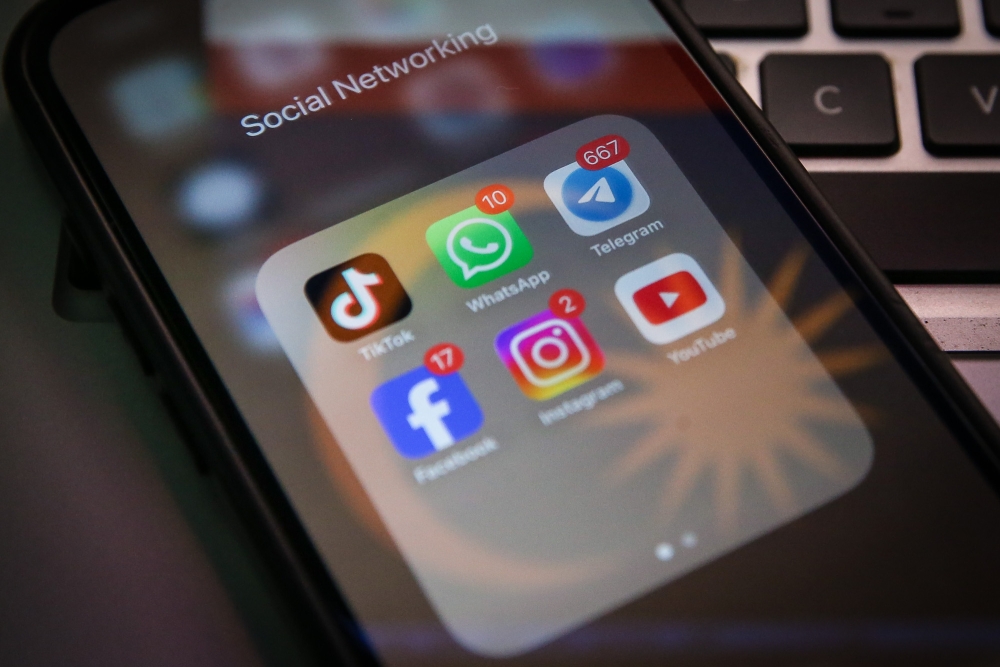
What makes Indonesia’s decision notable is how quickly it is moving from discussion to action. Authorities have identified several platforms they consider high risk for minors. These include YouTube, TikTok, Facebook, Instagram, Threads, X, Bigo Live, and the gaming platform Roblox. Under the new regulation, these platforms will gradually begin removing or deactivating accounts belonging to users under the age of 16.
Communications Minister Meutya Hafid emphasized that parents should not have to fight the digital battle alone. According to the government, technology companies themselves must take responsibility for ensuring that underage users are not able to bypass the rules. If platforms fail to comply, they could face penalties ranging from fines to potential suspension within the country.
However, questions remain about how the policy will be monitored and enforced. Authorities have yet to explain the exact mechanisms that will verify a user’s age or track compliance.
The debate about social media and children is becoming increasingly intense worldwide. In a recent case in the United States, a Los Angeles jury found major tech companies responsible for contributing to the harm of a young user through addictive platform design. The companies were ordered to pay millions in damages, highlighting growing legal scrutiny around how digital platforms influence mental health.
Back in Indonesia, reactions among students are mixed. While Bradley worries about losing access to his favorite apps, some teenagers believe the rule might actually help them regain control of their time. Fifteen year old Maximillian admits that social media sometimes leaves him feeling unproductive and distracted. In his view, the ban could encourage young people to focus more on school, hobbies, and real world interactions.
Teachers are also noticing the impact of constant digital engagement inside classrooms. Randi Putra Chaniago, an instructor at a coding academy in Jakarta, says many students struggle to concentrate after spending hours consuming online content. Some of the videos trending online, including surreal AI generated clips often described as “brain rot,” can confuse younger viewers and disrupt their attention spans.
Educators believe the new policy could encourage schools to explore more balanced learning environments. Some teachers are even calling for stricter measures, such as banning mobile phones from classrooms entirely.
Technology companies, meanwhile, argue that restrictions should be balanced with tools that help families manage screen time responsibly. Google, the parent company of YouTube, says it already offers parental control features and supervised accounts that allow parents to monitor and limit children’s activity. The company also plans to introduce artificial intelligence technology that can estimate a user’s age to better enforce safety policies.
TikTok has stated it will work with the Indonesian government to create safer online spaces for younger audiences, while Roblox has pledged to introduce additional safety controls specifically designed for minors.
Despite the debate, psychologists warn that the concerns driving these policies are real. Indonesian educational psychologist Karina Adistiana explains that excessive social media use can significantly affect children’s mental health. When online platforms become the center of a child’s daily life, it can lead to issues such as depression, anxiety, sleep disturbances, and difficulty concentrating.
She also notes that the constant urge to check notifications or stay connected online is often a sign that digital habits are becoming unhealthy.
At its core, Indonesia’s decision reflects a bigger question facing modern societies. Technology has brought immense opportunities for learning, creativity, and global connection. Yet it has also introduced new challenges that parents, educators, and governments are still learning how to manage.
For young users like Bradley, the coming weeks may feel like a sudden disruption. But the intention behind the policy is not simply restriction. It is about encouraging balance, protecting mental well being, and reminding children that the world outside the screen still holds endless possibilities.
Whether through sports, reading, creative hobbies, or spending time with family and friends, the hope is that young people will rediscover experiences that social media often replaces.
In the end, Indonesia’s decision is less about banning technology and more about protecting childhood in an increasingly digital world.