
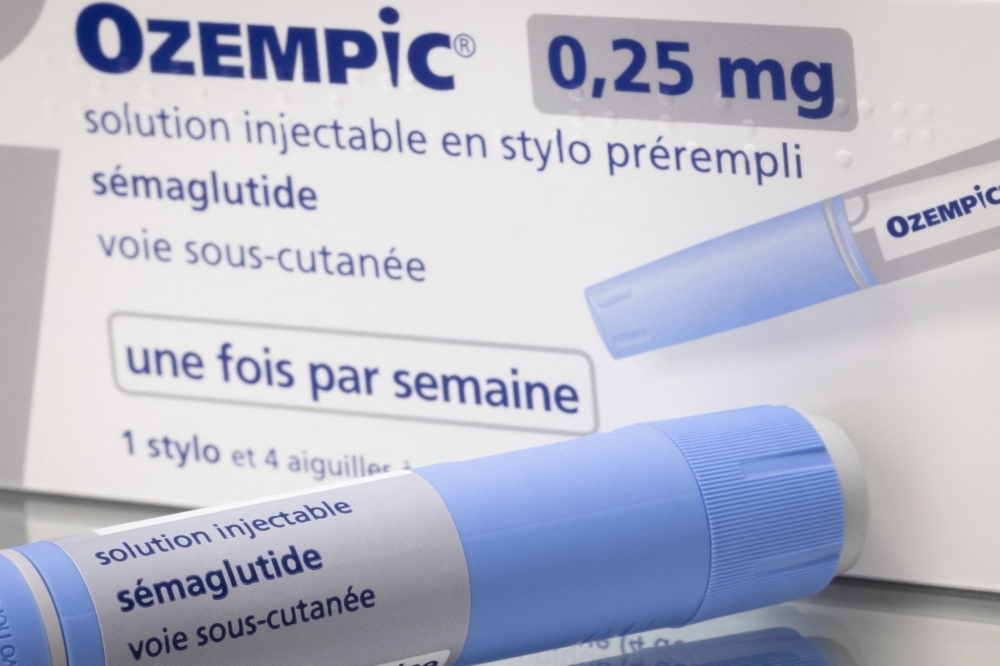
India’s health authorities have issued a critical warning about the potential dangers of unregulated use of weight-loss drugs, as low-cost generic versions of semaglutide—the key ingredient in popular medications like Ozempic and Wegovy—become widely available. This development comes in the wake of patent expiration on March 20, 2026, positioning India, the world’s largest supplier of generic medicines, at the forefront of a global obesity-fighting revolution.
The Ministry of Health emphasized that while generic GLP-1 drugs—which regulate appetite and blood sugar—are now significantly cheaper, they are not a free pass for self-medication. “These drugs, when used without proper medical supervision, may lead to serious adverse effects and related health risks,” the ministry stated, highlighting the urgent need for caution.
A Turning Point in Obesity Management
Generic semaglutide versions promise to slash monthly treatment costs from previously unaffordable 15,000-22,000 rupees ($161-$236) to just 1,300-4,200 rupees ($15-$45). This drastic reduction opens access to millions of patients who were previously priced out. However, experts warn that affordable medication alone cannot solve the obesity crisis.
Simon Barquera, president of the World Obesity Federation, stressed, “Obesity is a complex, chronic disease. Medication alone will not reverse the global rise in obesity. Prevention, lifestyle changes, and proper medical guidance are crucial.”
Rising Obesity in India
India’s urbanization and rising incomes have created a dual burden of undernutrition and obesity. Government data reveals that 24 percent of women and 23 percent of men are currently overweight or obese. In parallel, India’s weight-loss drug market has skyrocketed—growing tenfold to $153 million by 2026, with projections exceeding half a billion dollars by 2030.
The Ministry of Health has stepped up enforcement and inspections across the pharmaceutical supply chain, warning that retail pharmacies, online platforms, wholesalers, and wellness clinics must strictly follow prescription protocols. The Drugs Controller of India has also barred manufacturers from misleading promotions that could encourage off-label use.
What This Means for Patients
While the introduction of generic semaglutide is a game-changer in the fight against obesity, patients must approach it with caution:
Always consult a certified doctor before starting any GLP-1 drug.
Combine medication with healthy diet, regular exercise, and lifestyle changes.
Avoid purchasing drugs from unregulated sources or online platforms without prescriptions.
India now stands at a critical crossroads: the world can benefit from its affordable generic drugs, but misuse could lead to public health crises. Patients, healthcare providers, and regulators alike must act responsibly and urgently to ensure that these drugs are used safely and effectively.