India is preparing to revisit and amend its recent directive that required smartphone manufacturers to pre-install a government-operated cybersecurity app, following strong national backlash and intensifying concerns over user surveillance.
Telecom Minister Jyotiraditya M. Scindia confirmed on Wednesday that the government is open to revising the order. His remarks came shortly after the main opposition party criticized the mandate in parliament and major newspapers nationwide voiced deep concerns about privacy and potential misuse.
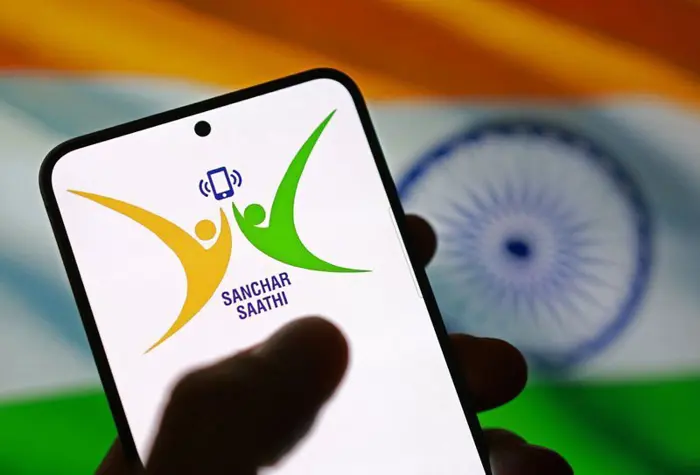
The original directive, issued confidentially to companies including Apple, Samsung, and Xiaomi, mandated that all new phones must come preloaded with the Sanchar Saathi app within 90 days. The app, according to the government, is designed solely to track and deactivate stolen devices. But critics fear it may pave the way for intrusive monitoring.
Apple has reportedly indicated it has no intention to comply, stating that such requirements threaten the integrity of iOS privacy and security standards.
Senior Congress leader Randeep Singh Surjewala questioned the legal basis for forcing a non-removable app on millions of Indian users. He also demanded details of independent cybersecurity audits and safeguards that would prevent potential misuse.
The government, however, defended the move as essential for preventing cyber threats, further instructing manufacturers to push the app onto existing users through software updates and ensure it cannot be disabled.
Industry experts note that few global precedents exist for such a mandate. Russia is one of the only known examples, having ordered mandatory installation of a state-backed messaging app, MAX, earlier this year.
The debate quickly dominated Indian prime-time news. Privacy advocates, tech analysts, and political voices clashed over the implications of the directive. Editorials in major newspapers echoed public anxiety, with The Indian Express warning that the order raises “serious apprehensions of surveillance,” while The Times of India urged an outright withdrawal, arguing that mobile phones are “our private space.”
This is not the first time Prime Minister Narendra Modi’s government has come under scrutiny for compulsory apps. A similar controversy erupted in 2020 over the mandatory COVID-19 contact-tracing app, which was later toned down following pushback.
Despite the turmoil, interest in Sanchar Saathi surged, with Sensor Tower noting a 13 percent rise in daily downloads, reaching 78,000 on Monday.
In the end, this story is not just about technology or policy. It is about trust. When people fear their private digital space may no longer remain private, the social contract between citizens and institutions begins to crack. The willingness of the government to reconsider signals something important: public voice still matters. And in a world where technology shapes every part of life, the call for transparency, accountability, and consent is louder than ever.