The month-long conflict in the Middle East shows no signs of easing, as Iran and its allies exchanged fire with Israel and the United States. Strategic and civilian sites linked to Washington across the region have been targeted, raising concerns about a broader regional crisis and potential disruption to global energy supplies.
Iran confirmed its latest attacks struck locations in the United Arab Emirates, Bahrain, and Israel in retaliation for prior US-Israeli strikes on its industrial facilities. The wave of assaults reportedly included “American steel industries in Abu Dhabi, American aluminium industries in Bahrain, and the Rafael arms factories of the Zionist regime,” according to Iranian sources.
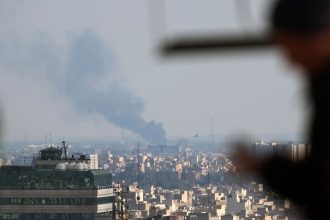
Israel’s military confirmed its air defenses intercepted missiles fired from Iran, with no immediate reports of casualties. Earlier, explosions near Tehran hit a bridge in Karaj twice—once causing civilian injuries and again as emergency teams arrived.
US President Donald Trump maintained a hardline stance, warning of further strikes and posting that the bridge had been “tumbling down,” with “much more to follow.” The nation’s two largest steel plants have also gone offline after repeated attacks. Meanwhile, Yemen’s Houthi rebels launched a fourth attack on Israel, targeting Tel Aviv with ballistic missiles.
Yet amid the bombardment, life persists. Families gathered in Tehran’s Melat Park to celebrate the 13th day of Nowruz, the Persian New Year, while in Israel, some marked Passover in bunkers. One Tel Aviv resident said, “This is not my first choice,” reflecting the strain of daily life under conflict.
Straits of Tension
The conflict has heightened global shipping risks, particularly in the Strait of Hormuz, a critical route for one-fifth of the world’s oil. British and Italian officials urged reopening and humanitarian measures, while Bahrain proposed a UN resolution to guarantee free passage. Tehran suggested working with Oman on post-war maritime frameworks, though formal talks have yet to begin.
Trump warned further strikes could hit Iran’s energy infrastructure if no deal is reached, while Tehran dismissed US overtures as “maximalist and irrational.” Damage to civilian infrastructure, including Tehran’s century-old Pasteur Institute, has been reported.
In Lebanon, Hezbollah launched drones and rockets toward northern Israel after an Israeli strike killed a senior commander in Beirut, leaving seven dead. European nations called for both sides to halt fighting to prevent further displacement, while the International Organization for Migration warned of “very alarming” risks.
Global Shockwaves
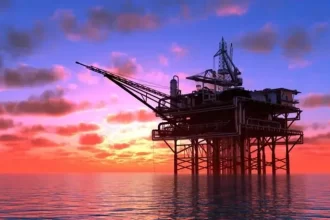
The conflict is rippling far beyond the Middle East. Gulf air defenses intercepted missiles, oil prices surged to around $110 per barrel, and markets reacted nervously. Airlines in China raised fuel surcharges, Malaysia asked civil servants to work remotely, Iraq’s oil revenues plunged, and Pakistan sharply increased fuel prices. Even Bhutan faces fuel shortages, leaving residents like Karma Kalden feeling helpless.
While political leaders and militaries continue their strategies, the human story is what stands out: families trying to maintain a semblance of normalcy, children playing in parks, and communities navigating the anxiety and uncertainty of war. Behind the headlines and statistics are ordinary people caught in extraordinary times, reminding the world that amid strategy and power plays, the human cost is real.