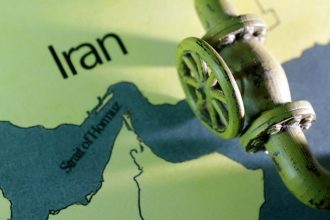
A wave of protests in Iran has turned deadly, with a rights group reporting that at least 648 people have been killed amid a government crackdown. Thousands more have been injured, and the actual toll may be much higher, with some estimates suggesting more than 6,000 fatalities.
The unrest began over economic grievances but has evolved into one of the most significant challenges to the theocratic system in Iran since the 1979 Islamic Revolution. Authorities have blamed the protests on foreign interference and have staged nationwide rallies to demonstrate public support for the Islamic Republic. Supreme Leader Ayatollah Ali Khamenei hailed the turnout as proof that opposition movements have been defeated.
Meanwhile, a four-day internet blackout has made it difficult for independent verification of casualties, arrests, and reports from the ground. According to Norway-based NGO Iran Human Rights (IHR), approximately 10,000 people have been arrested during the unrest.
“The international community has a duty to protect civilian protesters against mass killing by the Islamic republic,” said IHR Director Mahmood Amiry-Moghaddam.
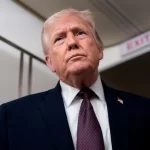
The United States has also voiced concern, with President Donald Trump warning that military options remain on the table if Iranian authorities continue targeting protesters. At the same time, diplomatic channels are reportedly open, with communications between Iranian officials and U.S. envoys ongoing.
Pro-government rallies in Tehran featured prayers for victims, patriotic slogans, and warnings to foreign powers. Parliament speaker Mohammad Bagher Ghalibaf described the situation as a “four-front war,” citing economic, psychological, military, and domestic conflicts.
Despite these displays, the streets of Tehran remain tense. State media has reported deaths among security forces, with funerals turning into additional pro-government demonstrations. Meanwhile, the European Union has expressed support for protesters and is considering sanctions, and the European Parliament has barred Iranian diplomats from its premises.
French President Emmanuel Macron condemned the violence and called for respect for citizens’ rights, while Russia accused foreign powers of attempting to interfere in Iran’s internal affairs.
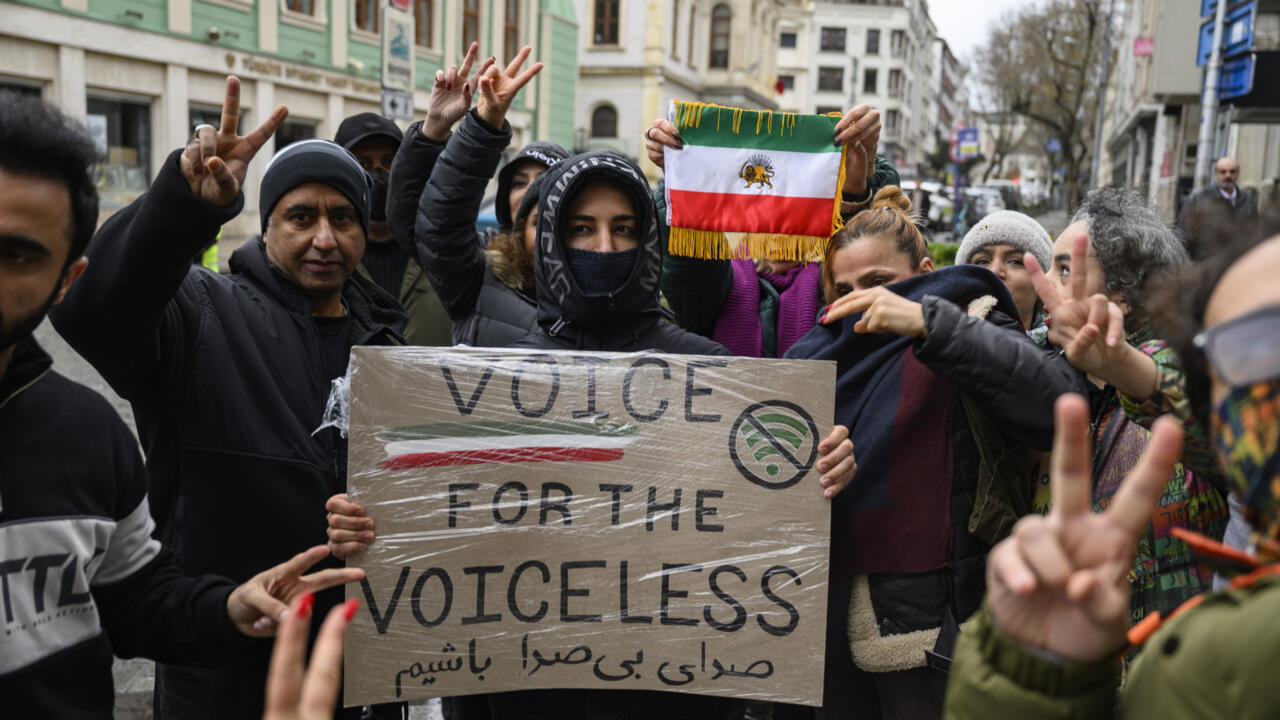
Amid the chaos, ordinary Iranians continue to face uncertainty, with families mourning lost loved ones and communities disrupted by clashes and curfews. Behind the statistics and political rhetoric are real people—men, women, and children—whose voices often get lost in headlines. These human stories remind the world that while politics and power play out on a grand stage, the cost of unrest is measured in lives, families, and futures.