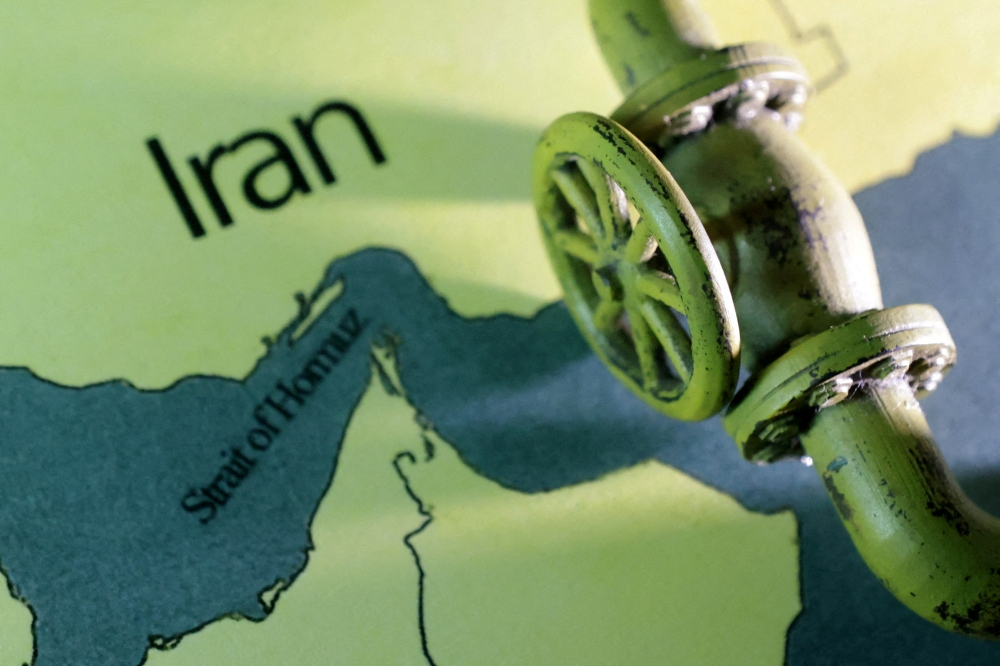
Recent US intelligence reports indicate that Iran is unlikely to ease its chokehold on the Strait of Hormuz anytime soon. According to three sources familiar with the assessments, Tehran’s control over this critical oil passage remains its primary leverage against the United States.
The intelligence suggests that Iran may continue to disrupt the strait, keeping global energy prices high, as a strategic move to pressure US leadership into seeking a resolution to the nearly five-week-long conflict—one that is increasingly unpopular among American voters.
While the stated aim of the war is to diminish Iran’s military capacity, analysts warn it may paradoxically boost Tehran’s regional influence by showcasing its ability to threaten one of the world’s most vital shipping lanes.
US President Donald Trump has downplayed the challenges of reopening the strait. On his Truth Social platform, he recently suggested that American forces could regain control quickly, stating, “With a little more time, we can easily OPEN THE HORMUZ STRAIT, TAKE THE OIL, & MAKE A FORTUNE.”
However, experts caution that any military action could be costly. Ali Vaez, director of the Iran Project at the International Crisis Group, noted, “In trying to prevent Iran from developing a weapon of mass destruction, the US handed Iran a weapon of mass disruption. Its chokehold on the strait is more potent than even a nuclear weapon.”
Trump’s stance appears mixed: he has made ending Iran’s control a condition for ceasefire talks, yet also urged Gulf countries and NATO allies to take the lead in reopening the passage. A White House official confirmed that Trump expects the strait to reopen soon but acknowledged that other nations “have far more at stake in preventing this outcome” than the US.
Iran’s Control and Its Impact
Since the conflict began on February 28, Iran’s Islamic Revolutionary Guard Corps (IRGC) has effectively made commercial transit through the strait risky. From mine deployment to attacking civilian vessels and imposing passage fees, Iran’s tactics have sent oil prices to multi-year highs and triggered fuel shortages for nations reliant on Gulf energy.
Higher energy costs risk fueling inflation in the US, potentially affecting Trump’s political standing ahead of the mid-term congressional elections in November. Intelligence sources emphasize that Iran is unlikely to relinquish this leverage voluntarily.
“The moment Iran realized its power over the strait, giving it up became highly improbable,” one source said, speaking on condition of anonymity.
Military Risks Remain High
Experts highlight the extreme difficulty of a military operation to reopen the waterway. The strait is 21 miles (33 km) wide at its narrowest, but the shipping lanes span just 2 miles (3 km) in each direction, making them vulnerable to attack. Even if US forces seize parts of Iran’s coast or islands, the IRGC could continue disrupting traffic with drones and long-range missiles.
Ali Vaez explained, “All it takes to disrupt traffic and deter vessels is one or two drones.” Post-conflict, Iran may maintain its leverage to fund reconstruction through commercial passage fees, according to former CIA Director Bill Burns, who said this sets up extremely challenging negotiations for any peace deal with the US.
As global energy markets remain sensitive and the region continues to navigate conflict and diplomacy, the Strait of Hormuz stands as a stark reminder of how a narrow waterway can hold outsized power in shaping geopolitics.