
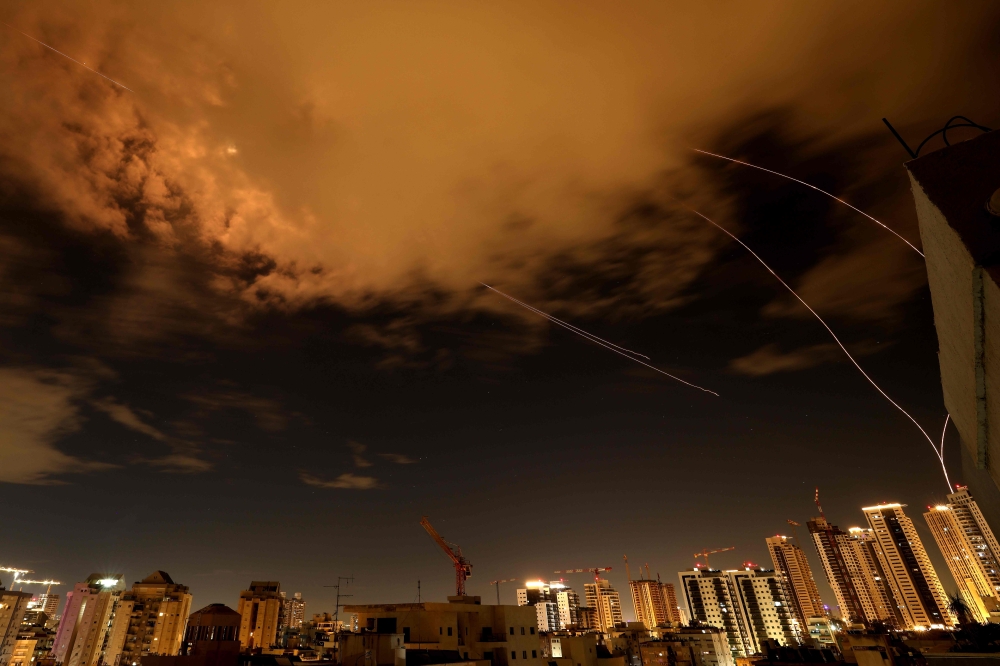
The conflict in the Middle East intensified today as Israel launched major strikes on Iran’s capital, Tehran, according to statements from Israeli military officials and Iranian media outlets. The escalation comes at a moment when diplomatic signals from Washington suggest that efforts to negotiate an end to the war may finally be gaining traction.
The Israeli Defence Forces confirmed through an official Telegram statement that a wave of coordinated attacks had targeted key infrastructure across Tehran. Iranian reports, including those from the semi-official SNN News Agency, indicated that some of the strikes affected residential areas within the city. Rescue teams were seen searching through damaged buildings and debris as concerns over civilian safety continued to rise.
Meanwhile, the conflict’s ripple effects are spreading beyond Iran and Israel. Kuwait and Saudi Arabia both reported fresh drone attacks earlier today. Authorities in Kuwait stated that a drone targeted a fuel tank at Kuwait International Airport, sparking a fire. Fortunately, officials confirmed there were no casualties.
Iran’s Revolutionary Guards responded by announcing a new wave of military operations aimed at multiple locations in Israel, including Tel Aviv and Kiryat Shmona. Iranian state media also reported attacks directed at U.S. military bases located in Kuwait, Jordan, and Bahrain, marking a widening scope of the confrontation.
Amid the escalating violence, former U.S. President Donald Trump claimed that negotiations were underway to bring the war to an end. According to Trump, the United States has been communicating with “the right people” in Iran and believes Tehran is eager to reach an agreement.
The war has already caused devastating consequences across the region and the global economy. Thousands of lives have reportedly been lost, and the conflict has triggered one of the most severe energy shocks in modern history. Fuel shortages have spread across multiple countries while global markets continue to fluctuate amid uncertainty.
However, a glimmer of hope emerged as reports surfaced that Washington had sent Tehran a detailed 15 point proposal aimed at resolving the conflict. News of this diplomatic initiative sparked optimism in global markets, with stocks rising and oil prices falling as investors responded to the possibility of a temporary ceasefire.
According to multiple reports, the United States is pushing for a one month ceasefire to allow negotiations to move forward. The proposed plan reportedly includes key conditions such as dismantling Iran’s nuclear program, ending support for regional proxy groups including Hezbollah, and reopening the strategically critical Strait of Hormuz.
Iran’s parliamentary speaker Mohammad Baqer Qalibaf rejected the reports, calling them “fake news.” Despite this denial, sources familiar with the situation confirmed that a diplomatic proposal had indeed been delivered to Iranian officials.
The Strait of Hormuz has become one of the most critical flashpoints in the conflict. Nearly one fifth of the world’s oil and liquefied natural gas normally passes through the narrow waterway. Since tensions escalated, Iran has effectively restricted traffic through the strait, creating massive disruptions in global energy supply chains.
This disruption has driven fuel prices higher worldwide and complicated international shipping routes. Airlines have also been forced to adjust flight paths due to safety concerns in the region.
In an effort to ease tensions, Pakistan’s Prime Minister Shehbaz Sharif has offered to host peace talks between the United States and Iran. Pakistan maintains long standing diplomatic relations with Iran and has recently strengthened its ties with Washington, positioning itself as a potential mediator.
Despite ongoing diplomatic discussions, military preparations continue. Reports indicate that the Pentagon is preparing to deploy thousands of additional soldiers from the U.S. Army’s elite 82nd Airborne Division to the Middle East. These forces would join approximately 50,000 American troops already stationed in the region, signaling a significant expansion of U.S. military readiness.
The buildup has intensified fears that the conflict could stretch into a prolonged war unless diplomatic solutions succeed quickly.