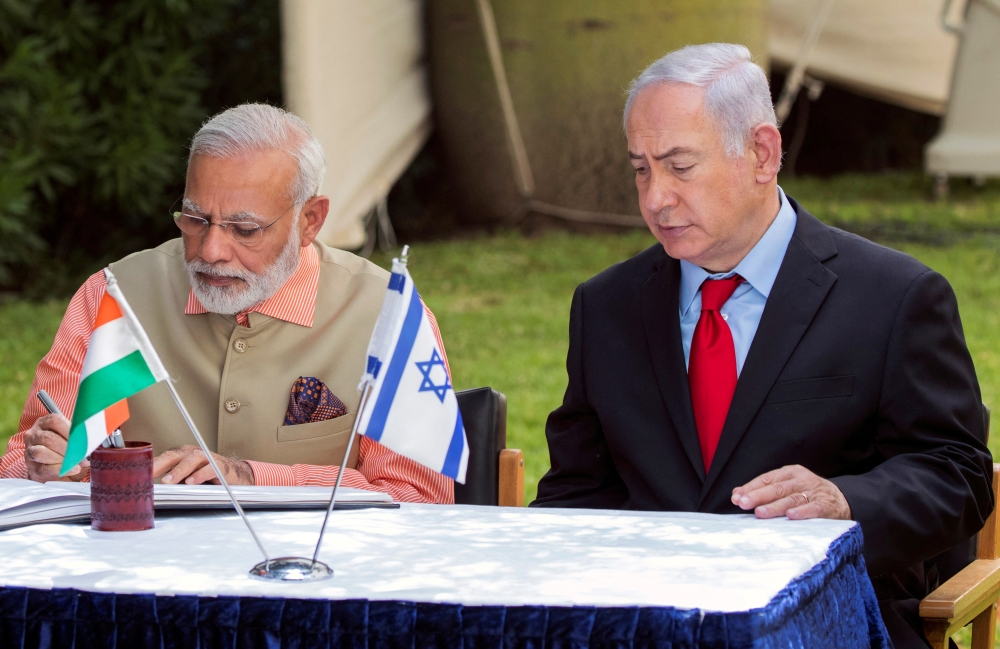
India’s Prime Minister Narendra Modi arrived in Israel on Wednesday for a two-day visit aimed at strengthening defence cooperation, expanding trade ties, and reinforcing what he described as a “robust and multifaceted strategic partnership.”
Before departure, Modi emphasized the steady growth in bilateral relations and confirmed that he would meet Israeli Prime Minister Benjamin Netanyahu, address the Knesset, and hold discussions with Israeli President Isaac Herzog.
Expanding Trade and Defence Cooperation
India and Israel have steadily expanded collaboration in defence, agriculture, cybersecurity, and advanced technologies. Talks for an India-Israel Free Trade Agreement (FTA) formally opened in New Delhi earlier this week. According to government figures, total merchandise trade between the two countries reached US$3.62 billion in 2024–2025.
Full diplomatic ties were established in 1992, but relations significantly deepened after Modi assumed office in 2014. His historic 2017 visit to Israel marked the first by an Indian prime minister. Netanyahu reciprocated with a visit to India in 2018. Since then, both leaders have publicly referred to each other as “friends,” signaling strong political alignment.
Defence ties remain central. Israeli military drone technology reportedly played a key role during India’s May 2025 tensions with Pakistan. Meanwhile, India’s corporate presence in Israel has grown, with the Adani Group operating the strategic Mediterranean port of Haifa.
Strategic Corridor and Regional Balancing
In September 2023, India joined ambitious plans for the India–Middle East–Europe Economic Corridor — a proposed network of railways, ports, energy pipelines, and digital infrastructure linking South Asia to Europe via Saudi Arabia and Israel. However, the initiative stalled after the October 7 Hamas attack on Israel and the ensuing war in Gaza.
Despite closer ties with Israel, New Delhi continues to balance relationships across the Middle East. India maintains strong partnerships with Gulf nations and Tehran, including development of Iran’s Chabahar port — considered a crucial trade gateway to Afghanistan, where India has engaged diplomatically with Taliban authorities.
Political Criticism at Home
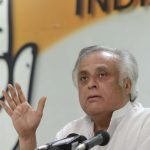
Modi’s visit has triggered debate within India. Senior Congress leader Priyanka Gandhi urged the prime minister to raise concerns about civilian casualties in Gaza when addressing Israel’s parliament.
India, home to 1.4 billion people, has a Hindu majority but also approximately 220 million Muslims. Critics argue that New Delhi must carefully balance its strategic ambitions with humanitarian concerns and domestic sensitivities.
A Visit Beyond Diplomacy
While diplomatic engagements often revolve around trade numbers and defence contracts, the broader conversation touches on values, regional stability, and India’s evolving global identity.
For many Indians, this visit represents more than geopolitics — it reflects the country’s growing global ambition. For others, it raises questions about moral responsibility in times of conflict. In a nation as diverse as India, foreign policy decisions are never purely strategic; they resonate deeply with millions who watch closely, hoping their country can lead with strength while standing for peace.