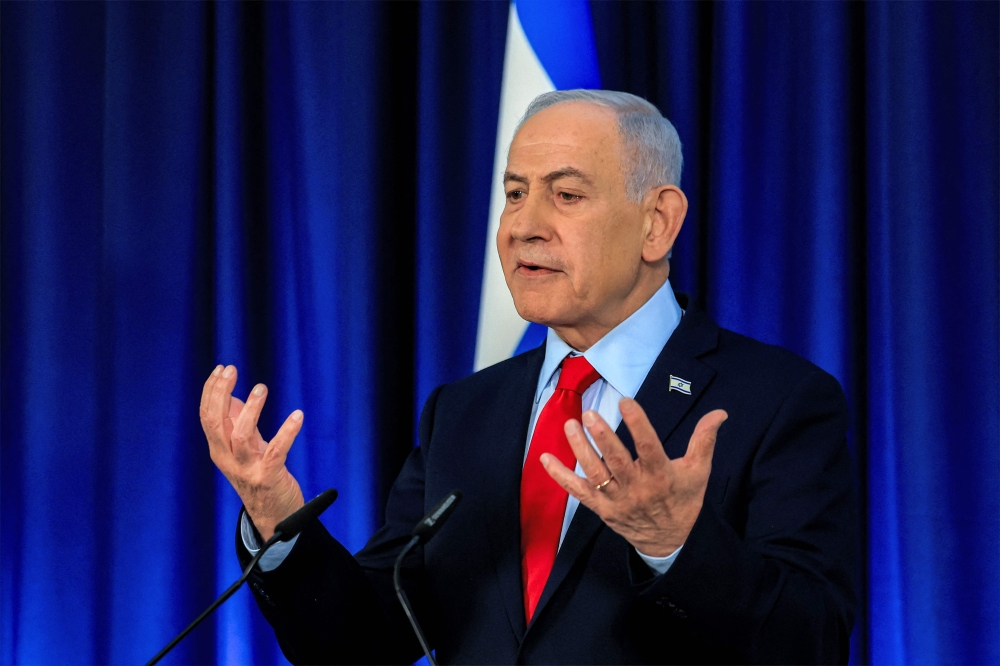
Israeli Prime Minister Benjamin Netanyahu has claimed that Iran is “being decimated” amid escalating attacks on Gulf oil and gas facilities that have rattled global markets. Speaking yesterday, Netanyahu said Tehran no longer appears capable of enriching uranium or producing ballistic missiles, signaling a turning point in the ongoing Middle East conflict.
“We are winning, and Iran is being decimated,” Netanyahu stated during a press briefing. He added uncertainty about Iran’s leadership, referencing the absence of Mojtaba Khamenei, the newly appointed supreme leader following the death of Ayatollah Ali Khamenei in an Israeli strike earlier this month.
Netanyahu emphasized cooperation with US President Donald Trump, hinting that the war could end sooner than expected, though no specific timeline was given. Meanwhile, the European Union urged restraint, calling for a “moratorium” on attacks targeting energy and water infrastructure and stressing the protection of civilians.
The conflict’s impact has extended beyond politics, sending energy markets into turmoil. Iranian attacks have targeted the Ras Laffan LNG plant in Qatar and refineries in Saudi Arabia and Kuwait, while oil shipments through the strategic Strait of Hormuz face continued threats.
Brent crude prices spiked 6 percent to US$119 per barrel before falling back to US$110. European gas prices surged nearly 30 percent after Iran retaliated against Israel’s strike on the South Pars gas field, causing “extensive damage” to Ras Laffan that could cost Qatar up to US$20 billion annually and take five years to repair.
In Saudi Arabia, a drone crashed into the Samref refinery in Yanbu, prompting the government to reserve the right to military retaliation. In Kuwait, fires broke out at the Mina Abdullah and Mina Al-Ahmadi refineries, while in Israel, a refinery in Haifa also came under attack.
Trump acknowledged that he was not informed beforehand about Israel’s strike on South Pars but insisted on coordination, stating, “It’s coordinated, but on occasion, he’ll do something we oppose.” Netanyahu, however, maintained that Israel “acted alone” and rejected suggestions that Trump was drawn into the conflict.
Iran, in turn, warned that it would exercise “ZERO restraint” if attacks continued. The Khatam Al-Anbiya operational command vowed to destroy Gulf energy infrastructure in response to further assaults.
International concern is growing, with Britain, France, Germany, Italy, Japan, and the Netherlands pledging to help ensure safe passage through the Strait of Hormuz, though specific measures remain unclear. French President Emmanuel Macron called for direct talks between the US and Iran, while UK Prime Minister Keir Starmer warned that targeting critical infrastructure risks deepening the crisis.
Amid these tensions, global powers are closely monitoring oil supply chains, with India and China expressing particular concern. US Defense Secretary Pete Hegseth said there is no set end date for the war but assured that President Trump will determine when objectives are met. Meanwhile, the US seeks an additional US$200 billion in war funding to continue operations.
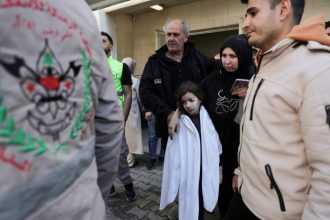
As the region faces uncertainty, the human impact is felt on all sides—energy prices affecting families and businesses worldwide, civilians in conflict zones under threat, and global markets bracing for instability. Behind the statistics and politics are real people whose lives are disrupted, reminding the world that every escalation carries a human cost.