
South Africa’s African National Congress (ANC), the historic liberation movement that led Nelson Mandela to power, is confronting a critical moment in its history. The party acknowledges it must confront corruption, improve governance, and tackle persistent racial inequality to restore public trust.
Once the dominant force in South African politics, the ANC lost its parliamentary majority for the first time since 1994, pushing it into coalition governance last year. This political shift has triggered a period of introspection and urgent calls for reform within the party.
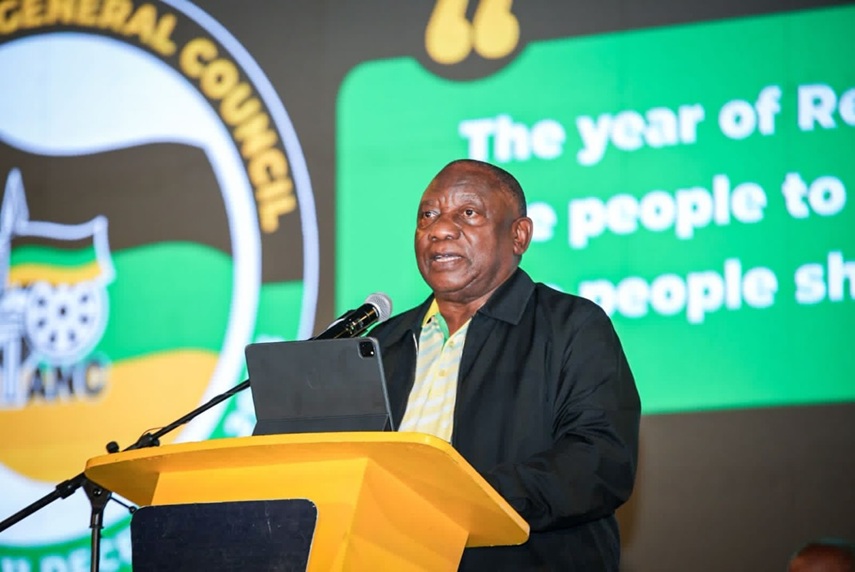
At a strategy conference in Johannesburg on Thursday, ANC leaders openly addressed the party’s shortcomings, including corruption, factionalism, poor service delivery, and slow progress in alleviating poverty. “The apartheid-colonial political economy remains largely intact,” the party acknowledged, noting that Black South Africans remain disproportionately disadvantaged compared to the small white minority.
The ANC described itself as being at a crossroads: “We understand our struggle to be at a fork in the road, and thus, we can either renew or perish.” Leaders pledged to implement measurable performance targets across governance, service delivery, and social development.
With municipal elections on the horizon in 2026, the ANC faces a crucial test of public support. While many still respect the party for ending white minority rule, younger voters are increasingly frustrated with stagnation and cronyism.
Opposition parties, including the Democratic Alliance, advocate for free-market policies and challenge the ANC’s racial redress measures—a stance even criticized by international figures like former U.S. President Donald Trump.
President Cyril Ramaphosa emphasized the stakes at the conference: “This will be an important test of the extent to which we have managed to renew the support and confidence of our people.” He highlighted progress in promoting integrity within the party, particularly through adherence to the “step aside” rule, which requires members facing allegations to relinquish their positions temporarily.
As the ANC strives to reconnect with South Africans, the path forward is both challenging and vital. Its success or failure in reforming will shape the country’s political landscape for years to come.