Thailand launched air strikes against Cambodia today following a deadly border clash that left a Thai soldier dead and four others wounded, intensifying tensions along the disputed frontier. Both countries are blaming each other for the escalation.
According to Thai army spokesperson Winthai Suvaree, Cambodian forces opened fire on Thai soldiers early this morning in Ubon Ratchathani province. In response, Thailand used aircraft to target Cambodian military positions in several areas to suppress the attacks.
Cambodian authorities, however, assert that Thai forces were the first to attack. Maly Socheata, spokeswoman for Cambodia’s defense ministry, said Thai troops fired multiple shots with tanks near the Tamone Thom temple and other nearby areas in Preah Vihear province. She added that Cambodia did not retaliate.
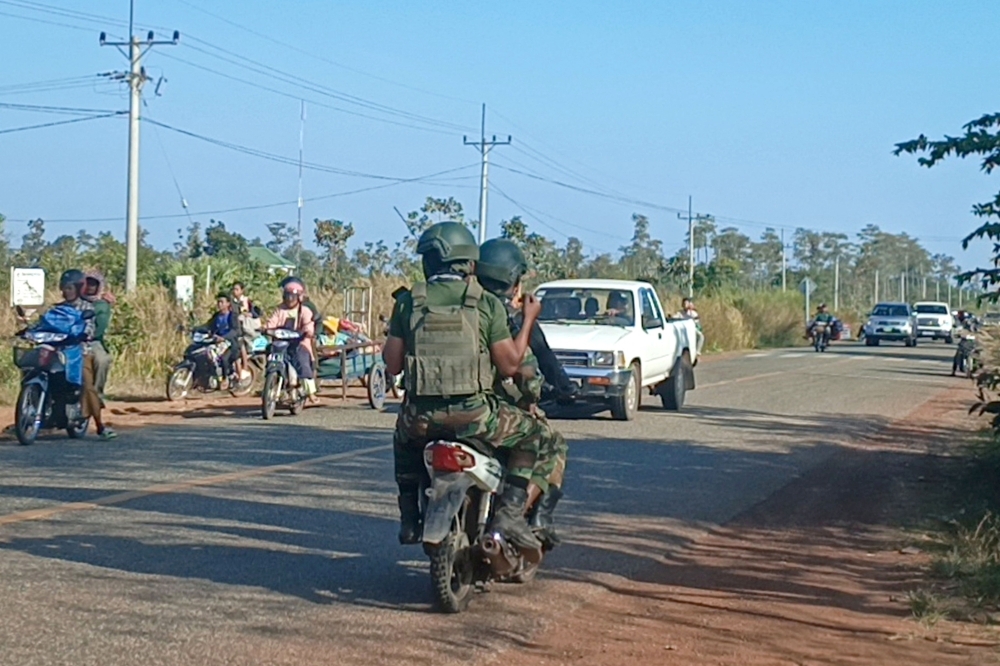
Gunfire was reported near the historic Tamone Thom and Ta Krabei temples, prompting local villagers to flee to safety, according to Met Measpheakdey, a spokesman for Oddar Meanchey province. Thailand’s Second Army Region confirmed that approximately 35,000 residents have been evacuated from border areas to safer locations.
The Thai military also accused Cambodian forces of firing BM-21 rockets toward civilian zones in Buri Ram province, though no casualties were reported. Both sides had a minor skirmish on Sunday, leaving two Thai soldiers injured.
This incident comes after a summer of deadly clashes that killed 43 people and displaced around 300,000. A truce brokered with the help of the United States, China, and Malaysia (as ASEAN chair) temporarily quelled the violence. In October, U.S. President Donald Trump co-signed a declaration between Thailand and Cambodia extending the ceasefire and announcing new trade agreements.
However, tensions reignited last month after a landmine explosion wounded Thai soldiers, leading to renewed accusations and sporadic clashes, including reports of civilian casualties. The conflict stems from a century-old border dispute dating back to French colonial rule, with both nations claiming control over historic temples in the region.
At the heart of this conflict are not only territorial disputes but also the real human stories—soldiers risking their lives and families forced to flee their homes. As tensions flare once more, the affected communities continue to face uncertainty, highlighting the urgent need for peaceful dialogue and resolution.