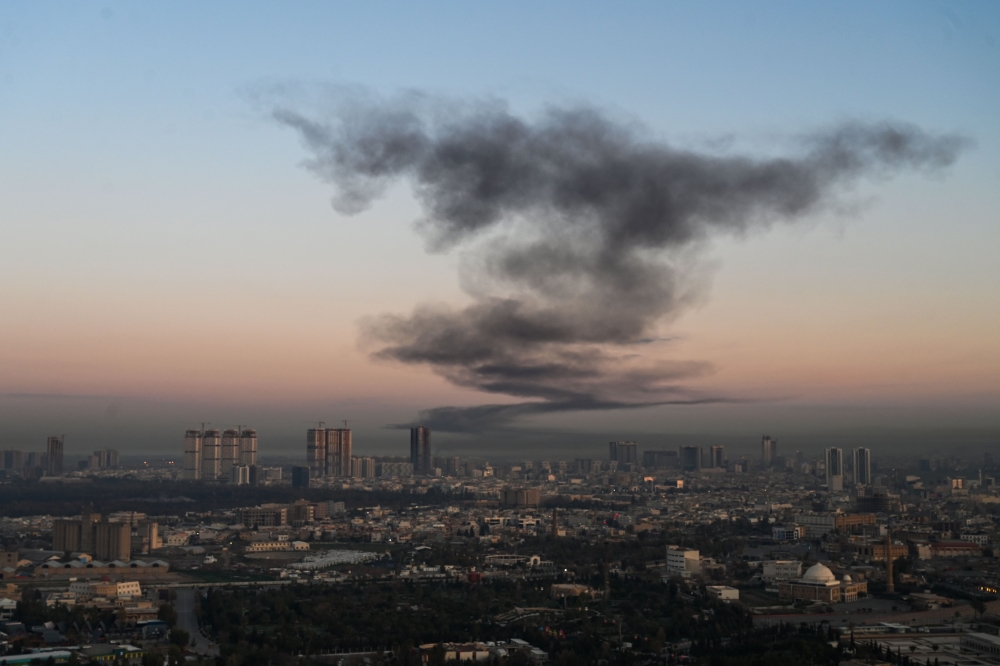
Thailand is taking urgent steps to protect its people as tensions in the Middle East rapidly escalate. The government has begun preparations to evacuate nearly 70,000 Thai citizens from the region after military strikes between the United States, Israel, and Iran triggered widespread instability.
Prime Minister Anutin Charnvirakul confirmed on Sunday that Thailand has coordinated closely with the Royal Thai Air Force to prepare aircraft for evacuation missions. Priority will be given to Thai nationals currently in Iran, where the situation remains highly volatile. In addition to military aircraft, the government is also considering charter flights to accelerate the evacuation process.
Speaking to reporters in Bangkok, the Prime Minister stressed that authorities are carefully monitoring airspace closures across the region. With several countries shutting down civilian air traffic, Thailand may need to evacuate its citizens to a third country first before arranging their return home.
According to the Ministry of Labour, nearly 59,000 Thai workers are registered in Israel, while more than 11,000 are registered under Thailand’s labour office in Abu Dhabi, which oversees the United Arab Emirates, Qatar, Oman, and Iran. These numbers highlight the scale of the challenge facing Thai authorities as they work to ensure everyone’s safety.
The crisis intensified after the United States and Israel launched coordinated strikes against Iran on Saturday. Iran responded swiftly with missile attacks. US President Donald Trump vowed to continue military operations against Iran, further heightening fears of prolonged conflict.
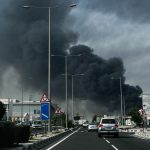
Iranian state television later confirmed the death of Supreme Leader Ayatollah Ali Khamenei following statements from President Trump claiming he had been killed. Meanwhile, explosions were reported in Doha, Dubai, and Manama, adding to the region’s instability.
As bombardments continue, Iran, Iraq, Kuwait, Syria, the United Arab Emirates, and Israel have partially or fully closed their airspace to civilian flights. Several international airlines have suspended operations to and from affected areas, complicating evacuation efforts.
Despite the uncertainty, Thailand’s leadership has reassured its citizens that no one will be left behind. “The Thai government will do everything to bring Thai citizens back safely. If they want to return, we will take them back,” the Prime Minister said firmly.
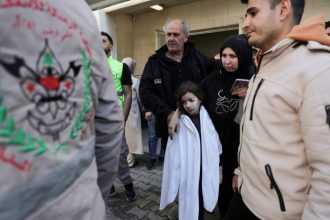
For thousands of Thai families waiting anxiously at home, this is more than geopolitical tension — it is about loved ones working abroad to support their households. Every flight prepared is a promise of safety. Every coordination effort is a step toward bringing sons, daughters, parents, and partners back home.
In moments like this, governments are tested not only by strategy but by compassion. Thailand’s swift response sends a powerful message: when crisis strikes, its people come first.