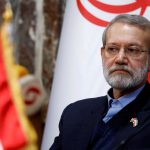
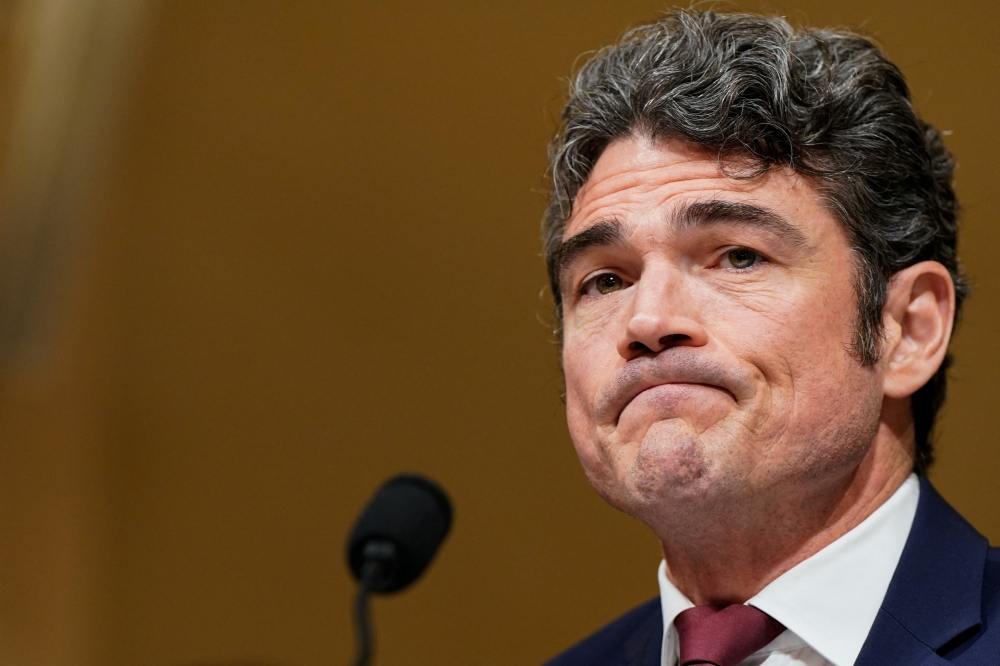
In a surprising and significant development, Joe Kent, the head of the National Counterterrorism Center, has stepped down from his role, openly criticizing the ongoing conflict with Iran. His resignation marks the first major departure from **Donald Trump’s administration directly linked to the war, now entering its third week.
Kent didn’t hold back. In a statement shared publicly, he expressed deep concern over the direction of US foreign policy. He made it clear that he could not support a war he believes lacks justification, stating that Iran did not pose any immediate danger to the United States. According to him, the decision to engage in the conflict appears influenced more by external political pressure than by actual national security threats.
His comments quickly sparked reactions across Washington. The White House, through spokesperson Karoline Leavitt, dismissed Kent’s claims, insisting that the president acted on strong intelligence suggesting a potential Iranian attack. Officials maintain that the decision was based on a wide range of credible sources, even though those details have not been publicly disclosed.
Kent’s stance, however, is not entirely out of character. He has long aligned himself with an “America First” ideology, consistently voicing opposition to US involvement in overseas conflicts. Still, his sudden resignation caught many insiders off guard, especially given his close ties with Tulsi Gabbard, who has remained largely silent since the conflict began.
Behind the scenes, intelligence assessments reportedly painted a complicated picture. Analysts suggested that US intervention could provoke retaliation rather than resolution, warning that Iran was unlikely to back down easily. These insights raised serious concerns about the long-term consequences of escalating the conflict.
Political reactions have been mixed. While Kent has faced criticism in the past, even from within government circles, some leaders acknowledged his point in this instance. Mark Warner, a senior Democrat, stated that despite previous disagreements with Kent, he agrees that there was no solid evidence of an imminent threat that would justify entering another war.
The situation highlights a deeper divide within US leadership—between those who prioritize aggressive defense strategies and those urging caution and restraint. It also raises larger questions about transparency, intelligence interpretation, and the real motivations behind military decisions.