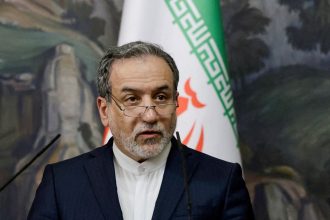
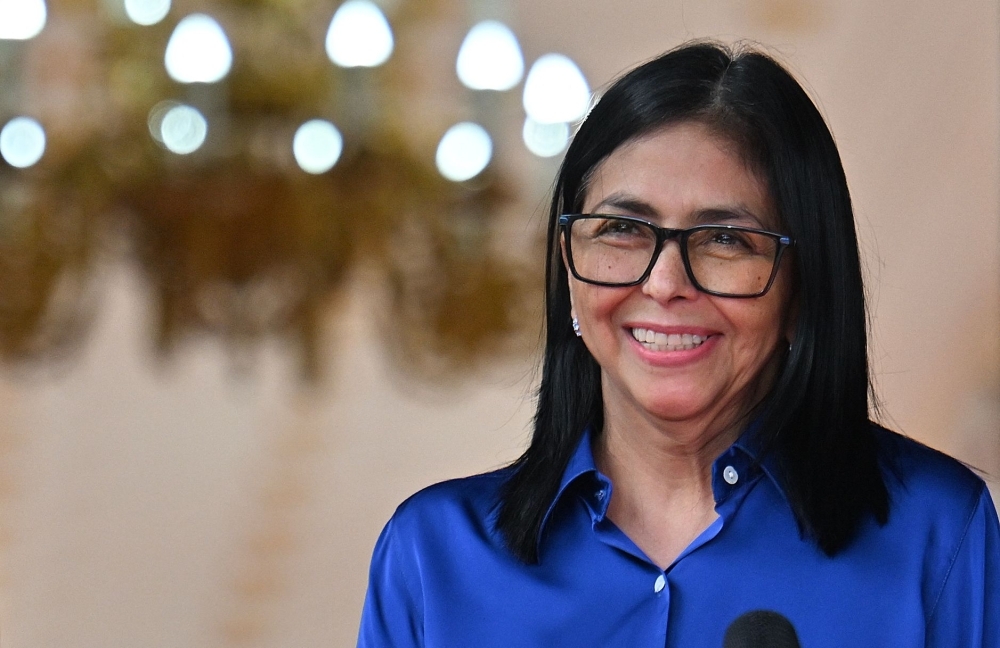
US intelligence assessments are raising fresh questions about whether Venezuela’s interim president, Delcy Rodriguez, is prepared to fully cooperate with Washington’s demands, according to four people familiar with the matter. The reports suggest uncertainty inside US agencies over whether Rodriguez will formally cut ties with countries viewed by the United States as adversaries, including Iran, China, and Russia.
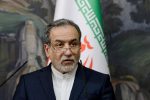
US officials have made it clear they want Venezuela’s interim leadership to distance itself from these allies by ending diplomatic and advisory relationships. However, Rodriguez has not publicly committed to such steps. Her recent inauguration was attended by representatives from Iran, China, and Russia, signaling that those relationships may still carry weight in Caracas.
Rodriguez assumed power after former president Nicolas Maduro was captured by US forces earlier this month. Since then, Washington has been closely watching her actions to gauge whether she aligns with US objectives in the region. Intelligence reports indicate it remains unclear whether she fully supports the strategy the Trump administration hopes to pursue in Venezuela.
CIA Director John Ratcliffe traveled to Caracas on January 15 to meet with Rodriguez and discuss Venezuela’s political direction. It is not known whether those talks shifted US intelligence views on her willingness to cooperate.
For Washington, Venezuela represents a key geopolitical and economic prize. The United States is seeking to curb the influence of rival powers in the Western Hemisphere while also eyeing Venezuela’s vast oil reserves. A clear break from Iran, China, and Russia could pave the way for increased US investment in the country’s energy sector.
Failure to secure Rodriguez’s full cooperation, however, could weaken US efforts to shape Venezuela’s transition without becoming more deeply militarily involved. While US officials publicly maintain pressure, privately they appear cautious about placing full trust in the interim leadership.
A senior Trump administration official said the president continues to apply “maximum leverage” on Venezuela’s leaders and expects cooperation to continue. Still, doubts remain among critics of US policy, many of whom question whether keeping figures linked to the previous government in power is the right approach.
Venezuela’s long-standing relationships with its allies run deep. Iran has helped restore oil refineries, China has accepted oil shipments as debt repayment, and Russia has provided advanced military equipment. Cuba has also played a significant role, offering intelligence and security support in exchange for discounted oil supplies.
Since taking office, Rodriguez has taken steps that appear aimed at easing tensions with Washington. These include releasing political prisoners and approving the sale of tens of millions of barrels of oil to the United States. Yet, in a recent speech, she also voiced frustration with US interference, underscoring the fragile and complex nature of the relationship.
At the same time, US officials are quietly maintaining contacts with Venezuela’s military and security leadership as a precaution. While there is no immediate alternative to working with Rodriguez, contingency planning is underway should Washington decide to change course.
Intelligence reports have also assessed opposition leader Maria Corina Machado as a longer-term option rather than an immediate replacement. Although she remains popular domestically, analysts say her lack of strong ties to the security services and oil sector limits her short-term viability. President Trump has expressed interest in her involvement, though no formal role has been defined.