The United States has begun moving a powerful naval force toward the Middle East as President Donald Trump renewed sharp warnings to Iran over its nuclear ambitions and the treatment of protesters inside the country.
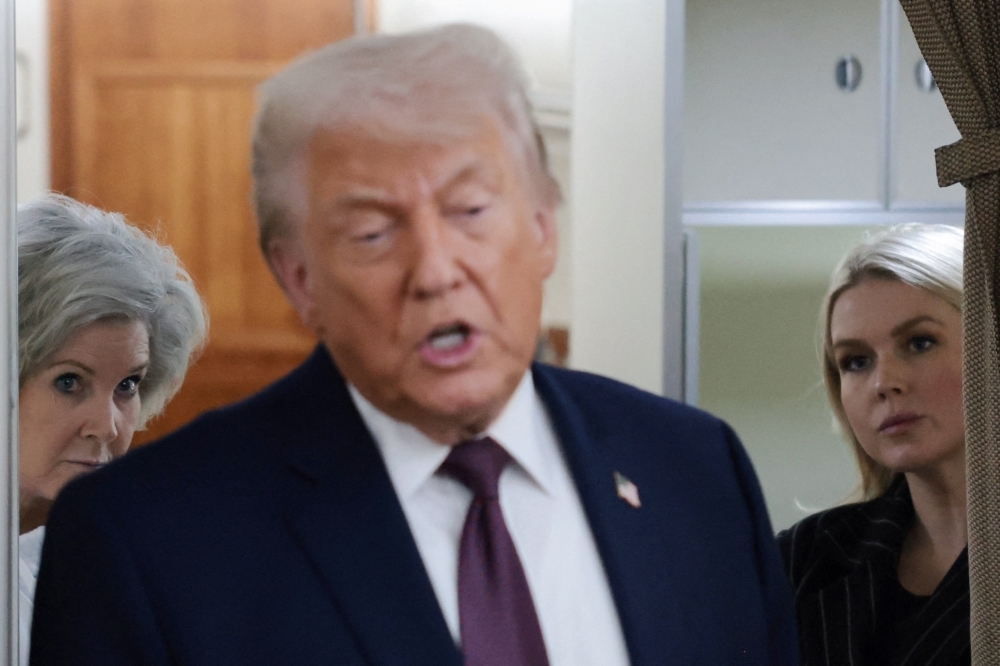
Speaking to reporters aboard Air Force One after returning from the World Economic Forum in Davos, Trump said the US has an “armada” heading in Iran’s direction, while stressing that he hoped military action would not be necessary. According to US officials, the aircraft carrier USS Abraham Lincoln, along with several guided-missile destroyers, is expected to arrive in the region in the coming days.
Officials, who spoke on condition of anonymity, also confirmed that additional air-defence systems are being considered for deployment. These systems would strengthen protection for US bases across the Middle East in the event of any potential Iranian retaliation.
The latest military movements expand Washington’s options at a time of heightened tension. They are intended both to defend US forces and to preserve the ability to carry out further action, should Iran attempt to restart its nuclear programme following US strikes on Iranian nuclear facilities in June.
“We have a lot of ships going that direction, just in case,” Trump said. “I’d rather not see anything happen, but we’re watching them very closely.” He added later, “We have an armada heading in that direction, and maybe we won’t have to use it.”
The naval deployments began last week, with warships moving from the Asia-Pacific region as relations between Tehran and Washington deteriorated sharply. The strain intensified following Iran’s forceful crackdown on protests that erupted across the country in recent months.
Trump has repeatedly warned Tehran against executing protesters, previously threatening severe consequences. Although protests appeared to ease last week, the president claimed his pressure had directly influenced Iranian authorities. He said Iran halted nearly 840 executions after his warnings.
“I told them, if you hang those people, you’re going to be hit harder than you’ve ever been hit,” Trump said, adding that Iran cancelled planned executions shortly before they were due to take place, which he described as “a good sign.”
Historically, the US military has reinforced its presence in the Middle East during periods of rising tension, often for defensive purposes. However, last year saw a significant buildup ahead of US strikes on Iran’s nuclear programme, signalling a readiness for more direct action.
Trump reiterated that the US would respond decisively if Iran attempted to revive its nuclear activities. “If they try to do it again, we’ll hit them there too, just as easily,” he said.
Iran is also under pressure to account for the damage to its nuclear sites to the United Nations’ nuclear watchdog, the International Atomic Energy Agency. This includes explaining the status of more than 440 kilograms of uranium enriched to 60 percent purity, material that could be further enriched to produce multiple nuclear weapons. The IAEA has not verified Iran’s stockpile for at least seven months, despite recommendations for monthly inspections.
Meanwhile, uncertainty remains over whether unrest inside Iran could reignite. Protests that began in late December over economic hardship quickly spread nationwide. The US-based Human Rights Activists News Agency reported thousands of deaths linked to the unrest, while Iranian officials have acknowledged a death toll exceeding 5,000, including members of the security forces.
When asked about the number of protesters killed, Trump said, “Nobody knows. It’s a lot, no matter what.”