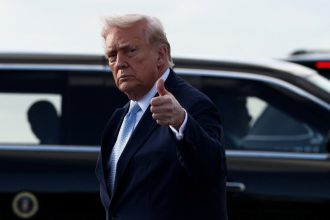
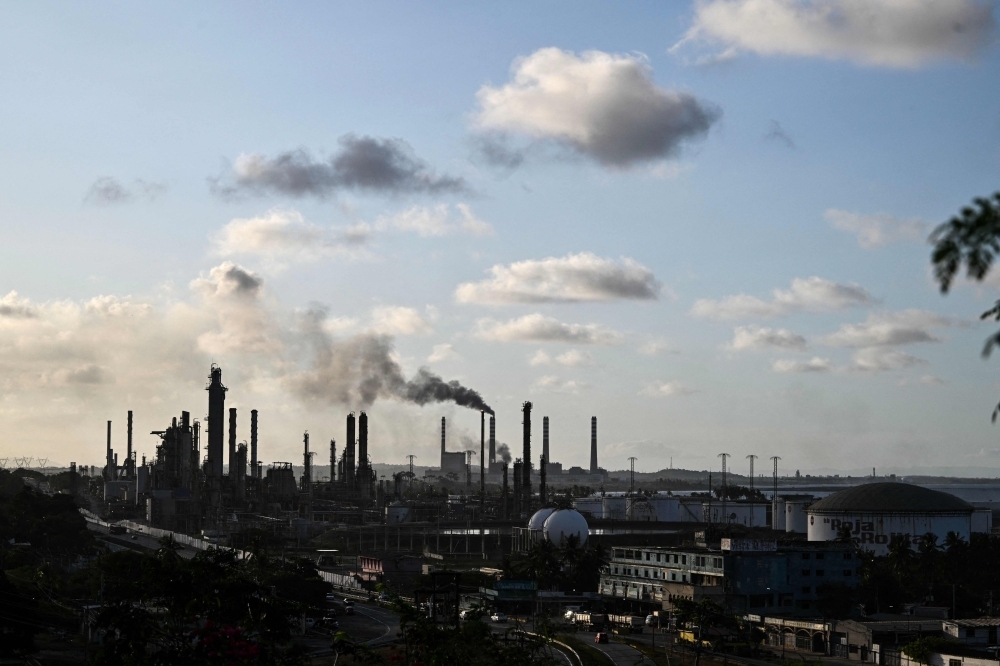
Venezuela has taken a decisive step toward reshaping its economic future, as lawmakers gave initial approval to legislation that would open the country’s oil sector to private and foreign investors, including major US energy companies. The move marks a sharp break from decades of state control and has been warmly welcomed by US President Donald Trump, who praised the new leadership in Caracas as “very strong.”
The bill, backed in its first reading by parliament, would allow private firms to independently explore and extract oil. If passed in a second vote, it would dismantle the strict state-dominated framework imposed during the era of former president Hugo Chávez and later reinforced by Nicolás Maduro. For Washington, the reforms meet a long-standing demand to allow US companies back into one of the world’s most oil-rich nations.
This political and economic shift comes less than three weeks after the dramatic removal of Maduro from power. Since then, acting president Delcy Rodríguez, once a key figure in Maduro’s government, has overseen a rapid thaw in relations with the United States. Trump has openly said the US is already benefiting from Venezuelan oil and framed the new cooperation as a win for both countries.
“Our country will become richer, taxes will go down, and Venezuela is going to do better than it ever has,” Trump said, underscoring his administration’s confidence in the new direction.
Signs of rapprochement have multiplied. The US confirmed Laura F. Dogu, a former ambassador to Nicaragua and Honduras, as its new chargé d’affaires in Caracas, a move widely interpreted as a step toward restoring full diplomatic relations. The two countries had severed ties in 2019 after Maduro’s disputed re-election.
US officials have also confirmed that Rodríguez is expected to visit Washington soon, despite remaining under US sanctions. Behind the scenes, talks have focused on reopening the US embassy and rebuilding diplomatic and economic channels that have been frozen for years.
At home, Rodríguez has begun taking steps to stabilize Venezuela’s battered economy. This week, her government directed around 300 million dollars from a US-brokered oil sale into supporting the national currency, the bolívar. Even the expectation of that injection briefly strengthened the currency and eased pressure on dollar prices, which dominate daily transactions for many Venezuelans.
Economists, however, caution that one-off measures will not be enough. Long-term relief from inflation and shortages, they argue, depends on sustained foreign investment and a steady flow of hard currency. Venezuela holds the world’s largest proven oil reserves, yet production has collapsed from more than three million barrels per day in the early 2000s to roughly 1.2 million today.
The proposed reform aims to reverse that decline by ending a Chávez-era rule that forced private companies into joint ventures with state oil firm PDVSA, which retained majority control. Parliament speaker Jorge Rodríguez, the acting president’s brother, urged lawmakers to move quickly.
“Having oil underground serves no purpose,” he said. “Every day that passes is a day lost and a resource we cannot use.”
Beyond economics, Rodríguez faces pressure to show political change. Since Maduro’s fall, authorities have released dozens of political prisoners, including the son-in-law of opposition leader Edmundo González Urrutia, who is widely regarded as the legitimate winner of Venezuela’s 2024 election. These gestures have been seen as attempts to signal a break from years of repression.
Regionally, the shift in Caracas is also sending shockwaves. Trump has intensified pressure on Cuba, a long-time Venezuelan ally, vowing to cut off oil supplies that Havana has relied on for years. Cuban President Miguel Díaz-Canel said he spoke with Rodríguez to express support and solidarity, highlighting the broader geopolitical stakes of Venezuela’s realignment.
For ordinary Venezuelans, these developments stir a cautious mix of hope and skepticism. After years of shortages, inflation, and political turmoil, many are less focused on global strategy and more concerned about whether these changes will finally bring stable prices, reliable jobs, and a sense of dignity back to daily life. The reopening of the oil sector may please markets and foreign capitals, but its true test will be felt in kitchens, classrooms, and workplaces across the country, where people are still waiting for signs that this new chapter will genuinely improve their lives.