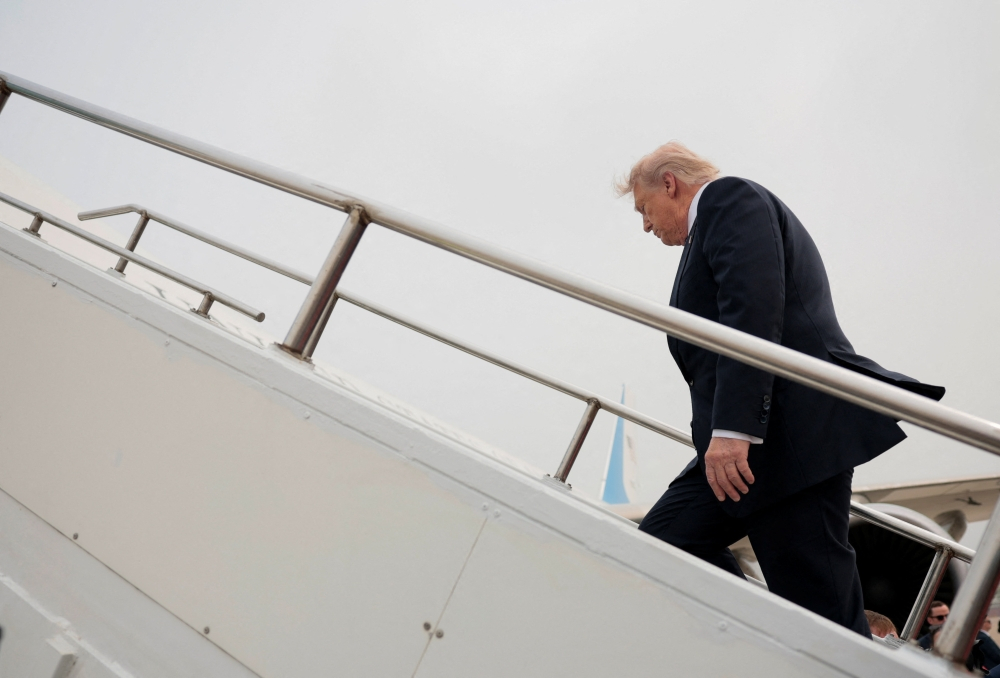
US President Donald Trump wrapped up his highly anticipated visit to China on Friday, promoting a series of trade agreements that many analysts described as less impactful than expected. While both nations projected optimism in public, underlying tensions surrounding Taiwan, Iran, and global trade remained impossible to ignore.
The visit marked Trump’s first trip to China since 2017 and came at a politically sensitive moment ahead of crucial US midterm elections. The White House had hoped the summit would produce major economic breakthroughs capable of boosting investor confidence and strengthening Trump’s domestic standing. Instead, financial markets reacted cautiously, with investors expressing disappointment over the limited scope of the agreements announced.
Throughout the visit, China delivered an elaborate diplomatic welcome. Trump attended grand ceremonies, formal banquets, and exclusive meetings with Chinese President Xi Jinping. The two leaders exchanged warm remarks publicly, emphasizing cooperation and stability between the world’s two largest economies.
Speaking during their final meeting at the Zhongnanhai leadership compound in Beijing, Trump described the trip as “incredible” and insisted meaningful progress had been achieved. However, behind the scenes, major disagreements continued to shape discussions.
Shortly before the leaders met on Friday, China’s foreign ministry released a firm statement criticizing the ongoing conflict involving Iran and warning against further escalation in the Middle East. Beijing stressed that the war should never have started and urged renewed diplomatic efforts to restore stability, especially as disruptions in energy supplies continue affecting the global economy.
Although Trump suggested both leaders shared similar views regarding Iran, experts believe China is unlikely to pressure Tehran aggressively due to Iran’s strategic importance as a regional partner balancing American influence.
Trade discussions also fell short of market expectations. US officials announced agreements involving agricultural exports and broader trade cooperation, including discussions around identifying billions of dollars in non-sensitive goods for future exchange. Yet many investors were hoping for larger, clearer commitments.
One of the biggest disappointments centered around aircraft manufacturing giant Boeing. Trump claimed China agreed to purchase 200 Boeing aircraft, but markets had anticipated significantly larger orders. Following the announcement, Boeing shares dropped sharply as investors reacted to the smaller-than-expected deal.
There was also no major breakthrough involving advanced artificial intelligence chip sales to China, despite speculation surrounding the participation of Jensen Huang during the visit. The absence of concrete progress in the technology sector highlighted the continued strategic rivalry between Washington and Beijing.
Meanwhile, Taiwan once again emerged as one of the summit’s most sensitive topics. Xi reportedly warned Trump that mishandling Taiwan could trigger serious conflict. China continues to claim Taiwan as its territory, while the United States maintains support for Taiwan’s self-defense capabilities under longstanding American law.
US Secretary of State Marco Rubio reiterated that American policy toward Taiwan remains unchanged. Taiwan’s government later thanked the United States for consistently voicing support amid growing regional tensions.
Human rights issues also surfaced during discussions. Rubio confirmed Trump raised concerns over jailed Hong Kong media entrepreneur Jimmy Lai, one of the most prominent critics of Beijing. Chinese officials responded by insisting Hong Kong matters remain internal affairs.
Despite the limited number of major deals finalized, both sides attempted to present the summit as a step toward stabilizing an increasingly fragile relationship. Xi described US-China relations as the most important bilateral relationship in the world and emphasized the need to avoid damaging ties further.
For many observers, the summit was less about dramatic breakthroughs and more about preventing relations between Washington and Beijing from deteriorating even further. While the public displays of diplomacy created a positive image, the deeper geopolitical and economic challenges between the two global powers remain unresolved.