India’s youth-led Cockroach movement is preparing for a crucial meeting with government representatives after Prime Minister Narendra Modi announced plans to introduce stronger legal measures to combat examination paper leaks and improve accountability within the country’s education system.
The announcement comes after weeks of nationwide protests sparked by a series of examination controversies, including the alleged leak of a major medical entrance examination and widespread criticism of an online marking system used for high school students. These incidents have left millions of students and parents questioning the credibility and fairness of India’s examination process.
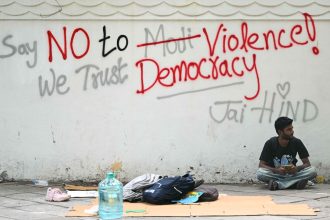
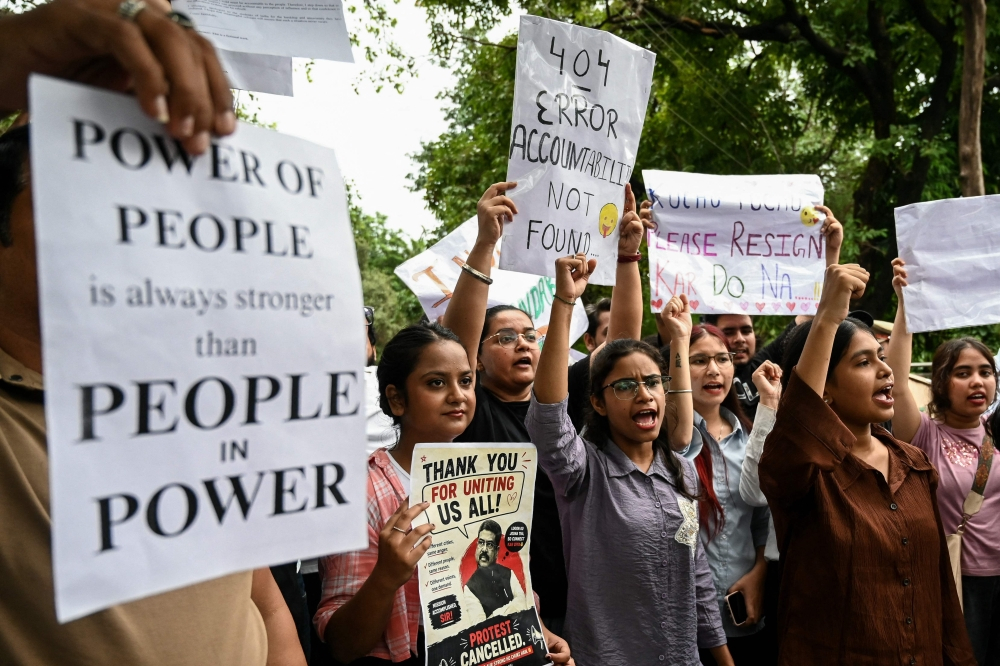
The movement, driven largely through social media and organized by the Cockroach Janta Party (CJP), has become a powerful voice for students demanding transparency, justice, and meaningful reforms. Protesters have also called for the resignation of Education Minister Dharmendra Pradhan, holding the ministry responsible for repeated failures in protecting the integrity of national examinations.
Speaking ahead of the meeting, CJP spokesperson Saurav Das expressed cautious optimism.
He said the movement hopes the government approaches the discussions with an open mind and genuinely listens to the concerns of students and citizens who have spent weeks protesting across the country. According to Das, movement leaders intend to present their demands in detail and expect meaningful action rather than promises alone.
Late Thursday night, Prime Minister Modi announced through social media that his cabinet would review proposals aimed at speeding up legal proceedings against individuals involved in examination leaks. He stated that after incorporating suggestions from cabinet members, the government would finalize draft legislation and work toward introducing the bill in Parliament as quickly as possible.
The Prime Minister emphasized that the government is committed to ensuring swift justice and stronger safeguards to restore public confidence in India’s examination system.
The government’s response follows increasing pressure from student groups, civil society organizations, education advocates, and activists demanding comprehensive reforms rather than temporary solutions.
One of the most prominent supporters of the movement, activist Sonam Wangchuk, ended a 26-day hunger strike after receiving assurances from government representatives. Wangchuk said officials promised that peaceful demonstrators would not face punitive action and that Parliament would hold a full discussion on improving transparency, accountability, and fairness within the country’s education and examination framework.
Despite these assurances, protest leaders remain determined to continue their campaign until concrete reforms are implemented.
The demonstrations intensified earlier this week when police used tear gas and batons to disperse tens of thousands of protesters gathered in New Delhi during what became the capital’s largest street protest in five years.
CJP founder Abhijeet Dipke welcomed Wangchuk’s decision to end his hunger strike, describing it as a powerful sacrifice that inspired people across the nation. However, he reaffirmed that the movement will continue until Education Minister Dharmendra Pradhan steps down and meaningful accountability is established.
The growing protests have emerged as one of the most significant political challenges facing Prime Minister Modi since beginning his third term in office in 2024. With students, parents, educators, and civil society groups closely watching the upcoming discussions, many hope the meeting will mark the beginning of lasting reforms that restore trust in India’s education system.
Source: AFP