
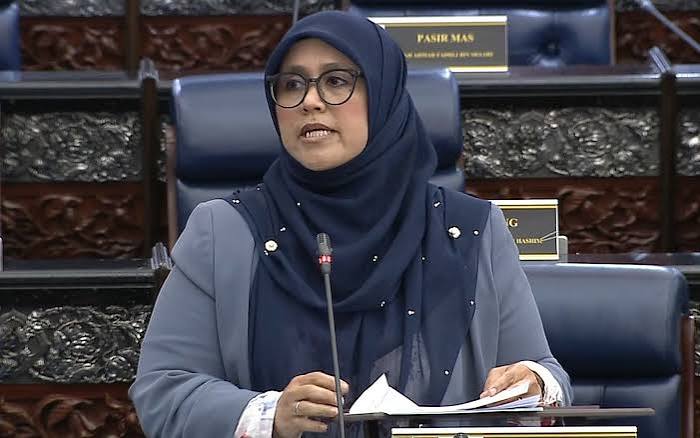
Malaysia should require major foreign e-commerce platforms, including Temu and Pinduoduo, to establish local offices and provide stronger support for consumers and businesses, according to opposition MP Mas Ermieyati Samsudin.
Speaking during the debate on Budget 2027 in the Dewan Rakyat, the Masjid Tanah MP called for stricter requirements for overseas online marketplaces that generate sales above a specified threshold. She proposed that these platforms register companies in Malaysia, establish physical offices and appoint local customer service representatives.
Mas Ermieyati, who chairs the Public Accounts Committee, argued that foreign platforms selling products directly from factories could enjoy a significant cost advantage over Malaysian retailers. Local businesses, she noted, must cover expenses such as shop rentals, employee salaries and taxes, while competing against imported products offered at substantially lower prices.
She illustrated the price difference by citing a notebook she purchased through Pinduoduo for RM2.60, compared with approximately RM12 for a similar item at Mr DIY. She warned that if the situation continued without appropriate safeguards, small manufacturers and local retailers could face increasing pressure to compete and survive.
Beyond the question of pricing, Mas Ermieyati called for a review of the 10% sales tax imposed on low-value imported goods priced below RM500. She also urged the government to strengthen safety inspections for products shipped directly from overseas, highlighting the importance of protecting Malaysian consumers from potentially unsafe or substandard goods.
She contrasted foreign platforms with established e-commerce operators such as Shopee, TikTok Shop and Lazada, which have invested in local offices, warehouses and employees. However, she also raised concerns about the costs faced by merchants selling through these marketplaces.
According to her, commissions and transaction fees that can reach 20% may significantly reduce the profits of small traders, particularly entrepreneurs who are just starting their businesses. For sellers already managing inventory costs, delivery expenses and marketing budgets, these charges can make it harder to grow sustainably.
As an alternative, Mas Ermieyati encouraged Malaysian traders to explore direct selling through social media platforms such as Facebook and Instagram. She argued that businesses could connect with customers without paying the same marketplace commissions, potentially leaving them with only basic payment-processing fees of around 1%, depending on the payment provider and arrangement.
She also proposed introducing a national DuitNow escrow service in collaboration with Payments Network Malaysia (PayNet). Under the suggested system, a buyer’s payment would be held by a third party and released to the seller only after the buyer had safely received the purchased goods. Such an arrangement could help build trust between customers and merchants, although the service would require clear rules for delivery confirmation, refunds and disputes.
The proposals raise important questions about how Malaysia can maintain the convenience and affordability of online shopping while ensuring fair competition, consumer protection and sustainable opportunities for local businesses. Foreign e-commerce platforms offer consumers access to a wide range of products at competitive prices, but local sellers also need a fair opportunity to compete in an increasingly digital marketplace.
For Malaysian entrepreneurs, especially small retailers and home-based businesses, the challenge is not simply to compete on price. It is also to build customer trust, provide reliable service and find profitable ways to reach buyers. Any future policy will need to balance these interests carefully so that consumers continue to benefit from competitive prices while local businesses have a realistic chance to grow.