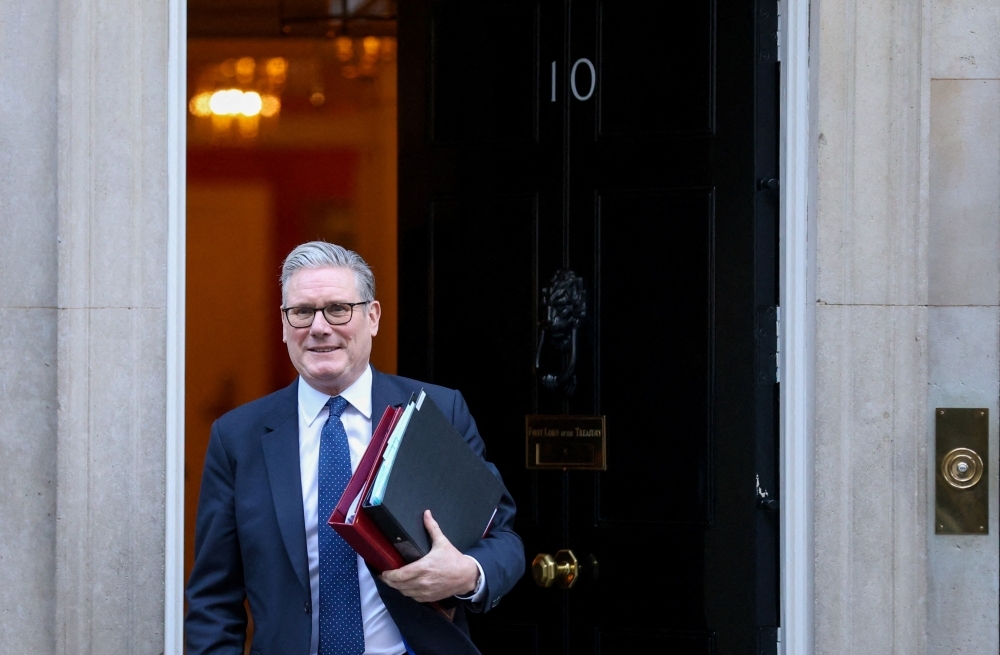
Britain’s Brexit battles may have faded from the headlines, but they are far from over. The Labour government, led by Prime Minister Keir Starmer, is preparing to introduce a bill aimed at resetting relations with the European Union, potentially reigniting old political tensions.
After winning the July 2024 election that ended 14 years of Conservative rule, Starmer immediately began repairing ties with the EU’s 27-member bloc. The goal: strengthen trade, boost the UK economy, and breathe new life into a premiership that has faced low public approval ratings.
The proposed legislation would provide a legal framework for Starmer’s much-discussed “reset” with Europe. While Labour enjoys a strong majority in parliament, opposition is expected from Conservative and Reform UK MPs, who remain deeply Eurosceptic.
“Bring it on,” a government official said, anticipating accusations of “Brexit betrayal” from the right. Yet, the move is not without internal challenges. Some Labour MPs are uneasy about revisiting manifesto promises that explicitly rejected rejoining the EU customs union.
Last year, Starmer secured an economic agreement with EU leaders to ease trade red tape on food and plant exports. The deal also includes negotiations on integrating the UK into the EU’s internal electricity market, with the goal of lowering energy costs for consumers.
The upcoming bill is expected to set out a mechanism for alignment with EU rules and clarify Parliament’s role in adopting them. Though details are still under wraps, officials hope to introduce it in the spring or summer, coinciding with the 10th anniversary of the Brexit referendum.
The bitter Brexit debates of 2016–2019 left deep scars in British politics, culminating in Theresa May’s resignation and Boris Johnson’s landslide election victory in 2019 to force through the exit. Today, many Britons express regret over leaving the EU, a sentiment Starmer hopes to leverage in his favor.
Supporters within Labour argue that closer alignment with the EU will strengthen the economy and restore confidence in British business. Yet, the party remains divided. Some MPs, including supporters of the Liberal Democrats’ customs union proposal, want even closer ties with Europe, while others caution against reopening the Brexit debate.
Starmer himself has ruled out rejoining the customs union but remains committed to aligning more closely with the single market. Health Secretary Wes Streeting has voiced support for deeper cooperation, reflecting ongoing debates within the party about how far the reset should go.
A government spokesperson emphasized that the reset is expected to bring significant economic benefits, estimating a £9 billion (RM48.9 billion) boost to the UK economy by 2040. “We will legislate to deliver on this, and further details of the bill will be announced in due course,” the spokesperson said.
Observers note that the bill’s impact will depend on how boldly the government proceeds. Ian Bond, deputy director at the Centre for European Reform, said, “If it holds its nerve, the UK can make meaningful progress without being swayed by political noise.”
As Britain stands on the cusp of a new chapter in its EU relationship, one thing is clear: Brexit debates are far from over, and the coming months promise high-stakes political drama. For everyday citizens, the reset represents more than politics—it’s a potential lifeline for trade, energy costs, and the future direction of the country.