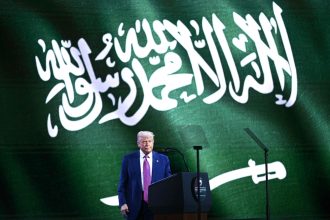
World leaders reacted cautiously to US President Donald Trump’s proposal for a new international “Board of Peace,” which would require countries to pay US$1 billion for permanent membership. Analysts quickly compared the idea to a pay-to-play version of the UN Security Council.
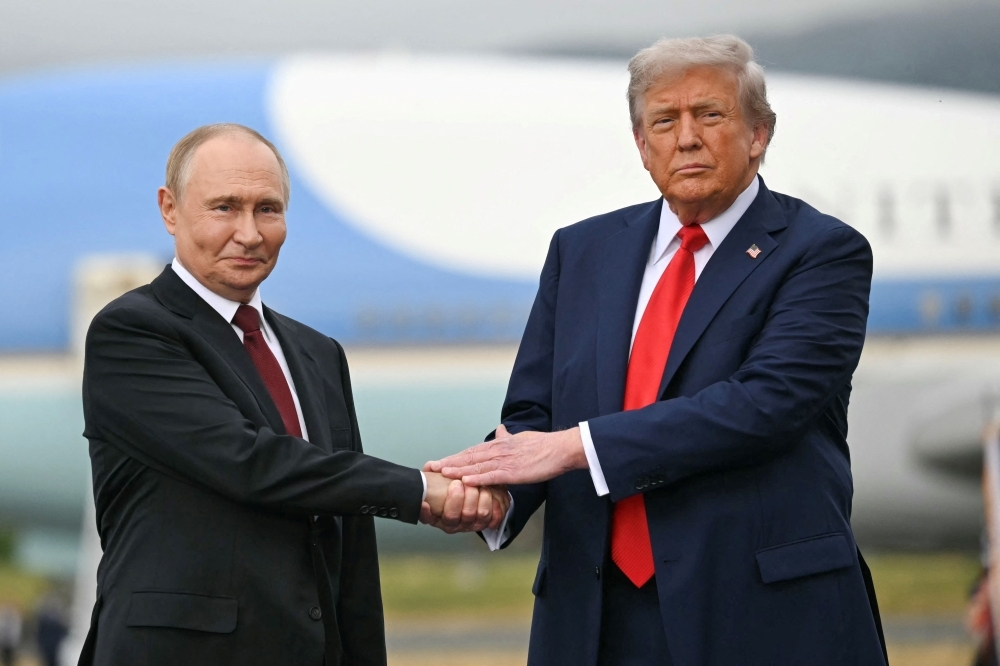
The White House has invited several global leaders, including Russian President Vladimir Putin, Hungarian Prime Minister Viktor Orban, and Canadian Prime Minister Mark Carney, to join the board, which would be chaired by Trump himself.
Documents reviewed by AFP show that countries joining the board would serve three-year terms, renewable at the chairman’s discretion. However, permanent membership could be secured by contributing over US$1 billion in the first year.
Reactions from key allies were lukewarm.
France declines for now
French Foreign Minister Jean-Noel Barrot told lawmakers Monday that France cannot accept the offer at this stage. He stressed that the board’s charter goes beyond the scope of the UN-backed efforts in post-war Gaza and conflicts with France’s international obligations, including its role as a permanent member of the UN Security Council.
Canada cautious
A Canadian government source confirmed that Ottawa would not pay to join the board. Prime Minister Mark Carney had initially indicated openness to an invitation, but no formal request for funds has been made.
Experts are weighing in. Paul Williams, a professor of international affairs at George Washington University, described the proposal as Trump trying to create an alternative to the UN Security Council where he alone wields veto power.
While the board’s charter emphasizes goals like promoting stability, restoring governance, and securing peace in conflict zones, it makes no direct mention of Gaza. Instead, it critiques “failed institutions,” a likely jab at the United Nations.
The UN, long plagued by funding gaps and Security Council deadlock, responded firmly. La Neice Collins, spokesperson for the president of the UN General Assembly, stated:
“There is one universal, multilateral organization to deal with peace and security issues, and that is the United Nations.”
Daniel Forti of the International Crisis Group warned that the board could send a worrying signal for the future of international diplomacy. “Buying permanent seats in an exclusive club could redefine how countries interact, moving from cooperation to transactional deals,” he said.
The board would allow Trump to remove members, with replacements chosen at his discretion, giving him considerable influence over the body. Ian Lesser from the German Marshall Fund expressed skepticism that many nations would commit, noting that most are focused on protecting existing multilateral institutions.
The White House has outlined a structure with a main board, a Palestinian technocratic committee for Gaza, and an executive advisory board. Named members include Secretary of State Marco Rubio, former UK Prime Minister Tony Blair, senior negotiator Steve Witkoff, and Jared Kushner.
Israel has raised objections to the Gaza executive board’s composition, which includes Turkish and Qatari diplomats.