The first group of troops under the International Stabilisation Force is expected to enter the Gaza Strip in early April, marking a potentially pivotal moment in efforts to stabilise the conflict-hit enclave.
According to Asharq Al-Awsat, citing Bishara Bahbah, the United States mediator in negotiations with Hamas, the initial deployment will be followed by a larger contingent in May. Bahbah confirmed that preparations are underway, with the mission structured in phases to ensure coordinated security coverage across Gaza.
“As far as I know, the first group of troops as part of this force will enter Gaza in early April, and a larger contingent will be deployed the following month,” Bahbah stated on Thursday.
The International Stabilisation Force is projected to include approximately 20,000 military personnel and 12,000 police officers drawn from countries participating in what is referred to as the Gaza Board of Peace. The southern city of Rafah is expected to serve as the initial deployment zone, positioning forces in one of the most strategically sensitive areas of the enclave.
According to Bahbah, Indonesian troops are likely to be stationed primarily in southern Gaza, while other participating nations will assume responsibility for different sectors of the territory. The structured allocation of forces aims to ensure comprehensive oversight and reduce operational gaps.
Beyond military stabilisation, the deployment is also expected to facilitate governance. Bahbah indicated that the recently established National Committee for the Administration of Gaza will be able to enter the enclave once the stabilisation force is in place. The presence of international troops is anticipated to provide the necessary security guarantees for civilian administrative operations to begin.
Importantly, Bahbah expressed hope that the arrival of the international contingent would contribute to ending Israeli ceasefire violations and reinforce adherence to negotiated agreements. If successful, the mission could represent a critical turning point in restoring order and preventing further escalation.
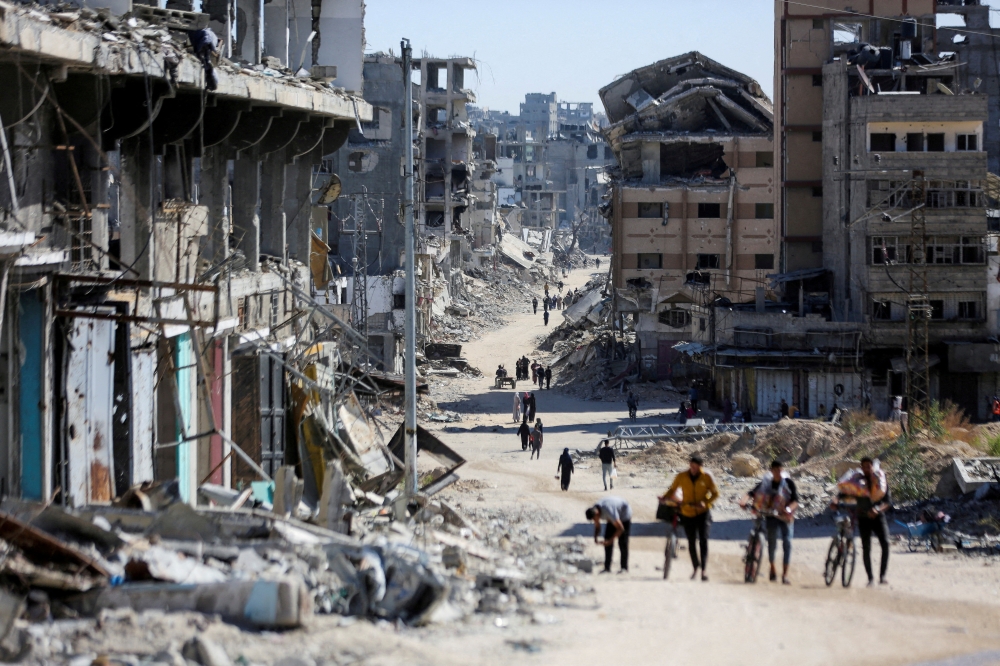
However, while the numbers and strategy outline a structured international effort, the reality on the ground remains complex. Gaza has endured prolonged instability, displacement, and humanitarian strain. The success of any stabilisation initiative will depend not only on troop presence but also on coordination, trust-building, and sustained diplomatic engagement.
For families in Rafah and across Gaza, this is not just about troop movements or political negotiations. It is about whether children can sleep without fear, whether markets can reopen, and whether daily life can slowly return to normal. Behind every deployment statistic are thousands of civilians waiting for security to translate into safety, and safety to translate into dignity.
The coming months will determine whether this international mission can shift Gaza from fragile ceasefire to lasting stability.