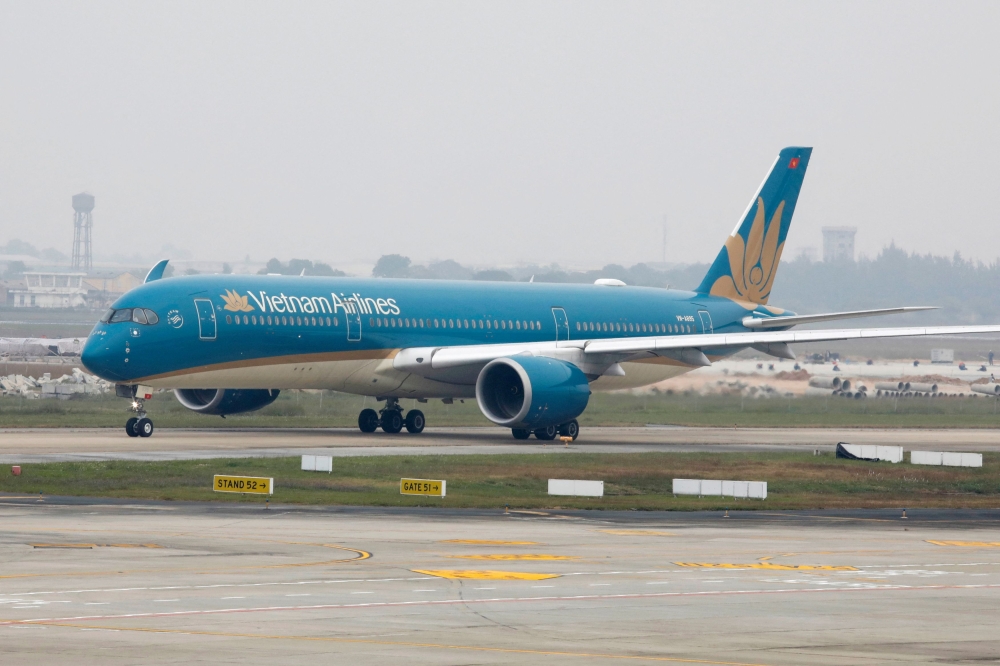
Vietnam Airlines, the nation’s flagship carrier, has announced it will temporarily suspend nearly two dozen domestic flights weekly starting next month due to a looming aviation fuel shortage caused by the ongoing conflict in the Middle East. This move underscores a growing global crisis affecting not only airline operations but also regional economic stability.
According to Vietnam’s Civil Aviation Authority, the carrier will suspend operations on 23 domestic flights per week beginning April 1, as the limited supply of Jet A-1 fuel threatens normal operations. The authority emphasized that while major domestic routes and international flights will continue, smaller regional flights are facing unavoidable reductions.
Soaring Fuel Prices Spark Urgent Concerns
The conflict in the Gulf has triggered a sharp rise in global oil prices, sending aviation fuel costs skyrocketing. Jet fuel, petrol, and diesel prices in Vietnam have surged dramatically, with 95-octane petrol up by 50% and diesel rising by 70% since late February. The war’s ripple effects are already being felt across domestic transportation and manufacturing sectors, putting pressure on both businesses and consumers.
Vietnam Airlines is considering introducing fuel surcharges on international flights, potentially effective in April, as a direct response to these rising costs. Meanwhile, the government has taken immediate steps to mitigate the impact on citizens and businesses. The Finance Ministry proposed halving the environmental protection tax on gasoline and diesel—reducing it to 1,000 dong per litre for petrol and 500 dong for diesel—and lowering aviation fuel taxes from 1,500 dong to 1,000 dong per litre.
International Fuel Partnerships Provide Temporary Relief
In a bid to secure aviation operations and stabilize fuel supply, Vietnam has sought international support. Negotiations have been underway with Qatar, Kuwait, Algeria, and Japan. Recently, Vietnam signed a new oil and gas production agreement with Russia, highlighting a strategic pivot to ensure continued fuel availability amid global uncertainty.
Regional Impact: Airlines Across Asia Adjust Operations
Vietnam is not alone in this crisis. Myanmar’s national carrier has canceled certain domestic flights, citing “unavoidable circumstances,” while major international airlines, including United Airlines, are scaling back capacities due to rising jet fuel costs. Analysts warn that unless the Mideast conflict stabilizes soon, air travel costs and operational disruptions may continue to increase, impacting tourism, trade, and regional mobility.
Why This Matters Now
This fuel shortage is not a distant problem—it affects travelers, businesses, and the economy today. Passengers should monitor flight schedules closely, while companies relying on domestic air transport must consider contingency plans. The situation highlights the interconnectedness of global conflicts and everyday life, demonstrating how geopolitical crises can directly impact transport, fuel costs, and national economic stability.
Vietnam Airlines’ temporary flight cuts signal the urgent need for strategic planning and immediate action. Travelers and businesses alike must adapt to these changes, understanding that fuel shortages may continue to influence flight availability and ticket prices in the coming months.
Call to Action: For frequent flyers and businesses, it is critical to book flights in advance, track aviation news, and stay informed about fuel surcharges. Governments and industry leaders must also prioritize resilient fuel supply chains to mitigate ongoing disruptions.