China has stepped up its stance on Taiwan, with Xi Jinping declaring that any move toward independence by the island will not be tolerated. Speaking during a high-level meeting in Beijing, he described Taiwan independence as the main factor threatening stability in the Taiwan Strait.
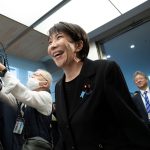
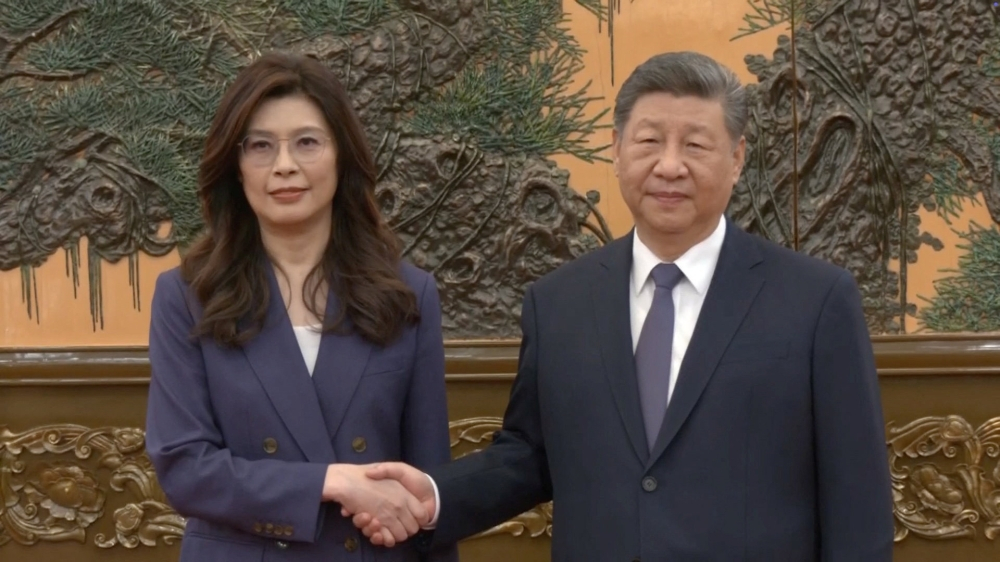
The statement came during a visit by Cheng Li-wun, a senior figure from Taiwan’s largest opposition party, the Kuomintang (KMT). She is currently in China on what she calls a “peace mission,” aiming to ease tensions at a time when military pressure from Beijing has been increasing.
During their meeting at the Great Hall of the People, Xi emphasized the importance of peace in an increasingly uncertain global environment. He highlighted shared cultural and historical ties, describing people on both sides of the Taiwan Strait as part of “one family” seeking stability, development, and cooperation.
However, his message was firm. Xi reiterated that both Taiwan and mainland China fall under the concept of “one China” and warned that any push for independence would undermine peace. He also stressed the long-standing goal of reunification, urging stronger political trust and cooperation between the KMT and China’s Communist Party.
Meanwhile, Taiwan’s current leadership has taken a different stance. China has refused to engage with Lai Ching-te, labeling him a separatist. In response, Taiwan’s ruling party has called on Cheng to push Beijing to reduce its threats and instead engage in meaningful dialogue with Taiwan’s democratically elected government.
Criticism has also emerged within Taiwan. Hsu Kuo-yung questioned the timing of the visit, suggesting it could undermine efforts to strengthen the island’s defense capabilities.
The historical backdrop continues to shape today’s tensions. After the Chinese Civil War, the KMT retreated to Taiwan in 1949 following defeat by Mao Zedong and the Communist forces. Since then, both sides have operated separately without a formal peace agreement, and neither officially recognizes the other’s government.
Despite political divides, Cheng expressed hope for a more cooperative future. She emphasized the need for mutual respect, reciprocal exchanges, and long-term mechanisms for dialogue. Her remarks reflected a desire to turn the Taiwan Strait from a potential flashpoint into a zone of collaboration rather than conflict.
On the global stage, the United States remains Taiwan’s key international supporter and primary arms supplier. While Washington does not maintain formal diplomatic relations with Taipei, it continues to back Taiwan’s efforts to strengthen its defense, a move that Beijing strongly opposes.