
France has made it clear that rising international efforts to secure the Strait of Hormuz are meant to work together—not against each other.
Speaking from Abu Dhabi after a diplomatic tour across the Gulf, French Foreign Minister Jean-Noel Barrot explained that a newly announced US-led maritime coalition is expected to support, rather than rival, an existing initiative led by France and the United Kingdom. According to him, France has already been in active discussions with regional allies, and their joint mission has reached an advanced stage of planning.
The United States recently confirmed it is forming a global coalition, known as the “Maritime Freedom Construct,” aimed at restoring safe passage through the Strait of Hormuz—one of the world’s most critical shipping routes. This narrow waterway carries nearly 20% of global oil and liquefied natural gas supplies, making any disruption a serious concern for international trade and energy markets.
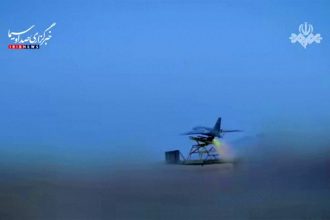
Tensions in the region have escalated due to ongoing conflict in the Middle East, with Iran effectively blocking access to the strait. This has caused oil prices to surge and placed pressure on global supply chains.
While both initiatives share the same goal—ensuring maritime security—the approaches differ slightly. France and the UK have already gathered support from over 50 countries and are focusing on coordinated international cooperation. Barrot emphasized that the US plan should be seen as an additional layer of support, not a competing force.
At this stage, France has not confirmed whether it will formally join the US-led coalition. However, Barrot reiterated that the European-led mission is already well-structured, with finalized planning and ongoing engagement with key regional partners including Saudi Arabia and Oman.
Meanwhile, political pressure continues to build. US President Donald Trump has publicly criticized allied nations for not taking stronger action in the conflict involving Iran and Israel. He has also urged countries dependent on oil shipments to step up and play a role in securing the strait.
Iran, on the other hand, has taken a firm stance, stating it will not reopen the waterway as long as US restrictions on its ports remain in place. The ongoing standoff is having ripple effects across the global economy, with oil prices recently hitting their highest levels in four years.