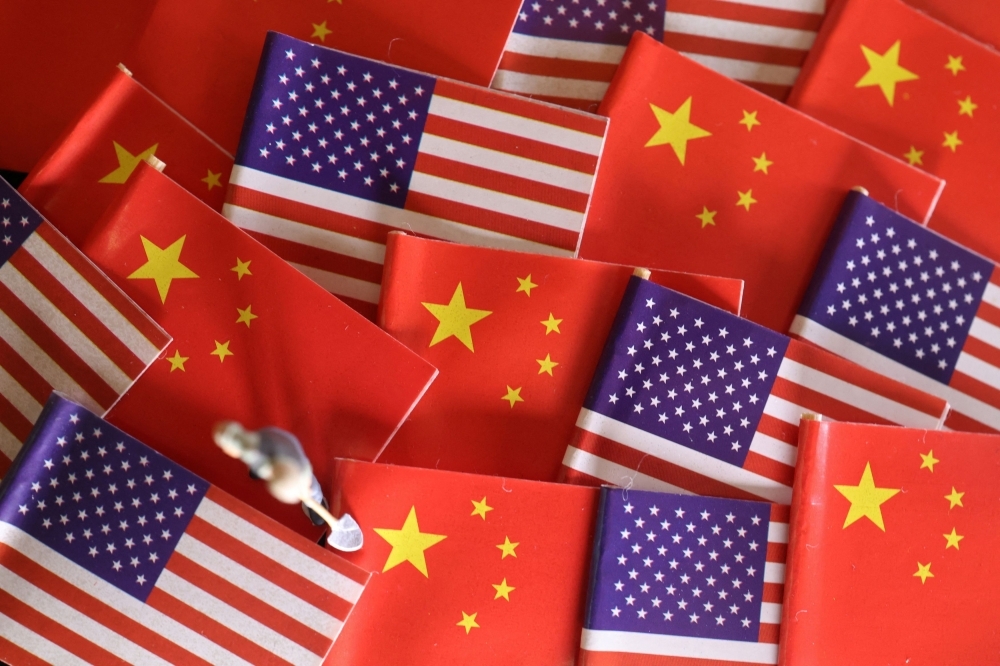
China has called on the United States to preserve stability in their complex relationship and has once again highlighted Taiwan as the most sensitive and high-risk issue, just weeks before US President Donald Trump is expected to visit Beijing.
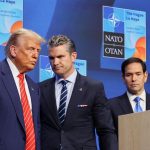
According to China’s foreign ministry, Foreign Minister Wang Yi delivered the message during a phone conversation with US Secretary of State Marco Rubio. Wang stressed that both countries should work together to “safeguard the hard-won stability” that has recently been achieved in US-China relations.
He also urged both sides to strengthen communication, expand areas of cooperation, and carefully manage ongoing differences to avoid further escalation between the world’s two largest economies.
The discussion also touched on developments in the Middle East, where China maintains strategic ties with Iran but has largely remained cautious following recent military tensions involving the United States and Israel. These events have contributed to instability in global energy markets, including fluctuations in oil prices.
A US State Department official confirmed the phone call and stated that the discussion was partly aimed at coordinating preparations for President Trump’s upcoming trip to China. However, no additional details were provided.
President Trump is scheduled to visit Beijing on May 14–15, where he is expected to meet Chinese President Xi Jinping. This will mark his first official visit to China since returning to the White House in January 2025.
During his current term, relations between Washington and Beijing have seen renewed friction over tariffs and trade policies, though both sides agreed to a temporary truce in October following a meeting between Trump and Xi in South Korea.
Wang Yi emphasized during the call that while overall relations between China and the United States have remained relatively stable, Taiwan continues to be the most sensitive issue and the “biggest risk point” in bilateral ties. China maintains its claim over Taiwan and strongly opposes US military support and diplomatic engagement with the island.
He further stated that the United States should respect its commitments and take steps that support peaceful cooperation and global stability.
The Chinese foreign ministry also noted that both officials exchanged views on the situation in the Middle East, though it did not provide further details on their positions.
As diplomatic attention builds ahead of the upcoming summit, both countries appear to be signaling a desire to manage tensions carefully while protecting strategic interests in an increasingly complex global landscape.
In simple terms, this conversation reflects a familiar reality: even when tensions rise, both China and the United States understand the importance of keeping communication open. With global stability and economic pressure at stake, the coming talks in Beijing could shape how the two powers navigate competition and cooperation in the months ahead.