NATO says Europe is responding to Trump’s message on defense cooperation
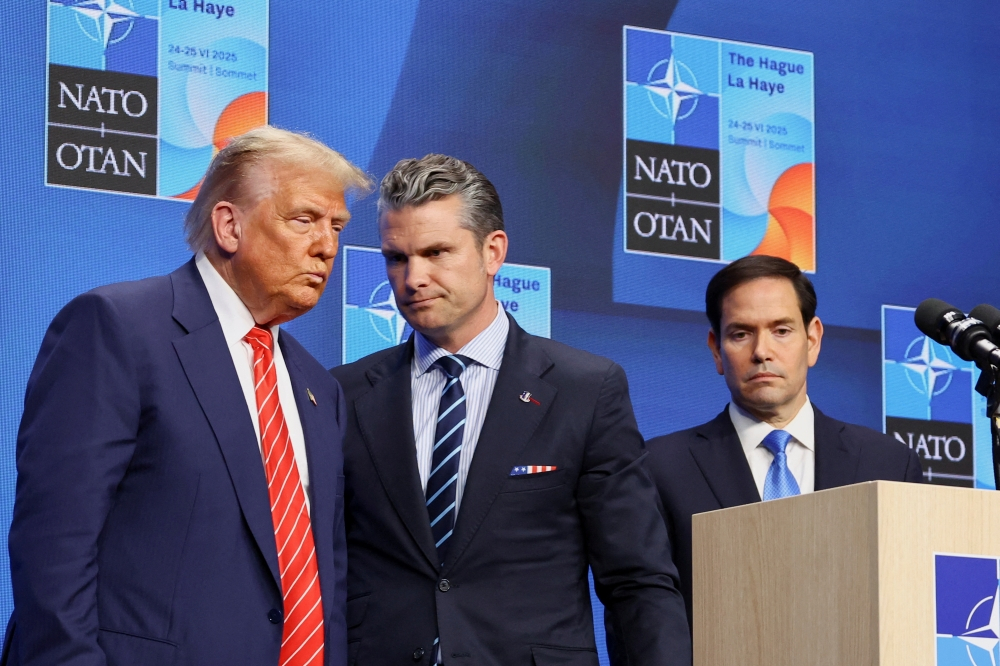
European allies have clearly “gotten the message” from US President Donald Trump and are now taking stronger steps to ensure that military agreements, especially around the use of US-linked bases, are being properly implemented. This statement was made by NATO Secretary General Mark Rutte during a European Political Community summit held in Armenia on Monday.
The remarks come amid growing tensions over burden-sharing within NATO, particularly after Trump criticized several European countries for not doing enough to support the United States in the context of the Iran conflict. His criticism was followed by a significant move from Washington, announcing plans to withdraw around 5,000 troops from Germany, signaling a notable shift in US military positioning in Europe.
Rutte acknowledged that there had been “some disappointment” on the US side but emphasized that European nations have now responded by tightening their commitments. According to him, countries across Europe are actively ensuring that bilateral agreements related to military bases are being respected and put into action.
However, not all NATO members are aligned in the same way. Spain has stated that its military bases cannot be used in relation to the ongoing war involving Iran, highlighting differences in national policies within the alliance.
Despite this, Rutte pointed out that many NATO members—including Montenegro, Croatia, Romania, Portugal, Greece, Italy, the United Kingdom, France, and Germany—are complying with requests for base access and logistical support.
He also highlighted a growing trend among European nations to prepare for possible escalation scenarios. More countries are reportedly positioning naval and defense assets such as minehunters and minesweepers closer to the Gulf region. This is being seen as preparation for what NATO describes as a potential “next phase” in regional tensions.
In addition, several European countries have expressed willingness to participate in future missions aimed at securing safe navigation through the Strait of Hormuz once active conflict conditions ease. The strategic waterway remains one of the world’s most critical energy and shipping routes, making stability there a global priority.
Overall, the message from NATO leadership suggests a recalibration of transatlantic defense dynamics, where European allies are increasingly stepping up operational readiness while also managing differing political positions on military engagement.
At its core, this development reflects a broader reality: global alliances are being tested, and cooperation is no longer just about agreements on paper—it is about real-time action, readiness, and shared responsibility in an increasingly uncertain world.