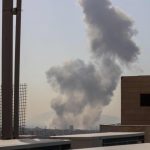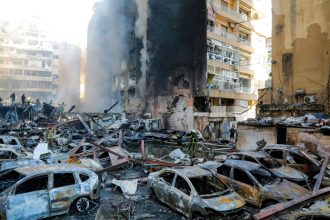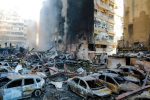
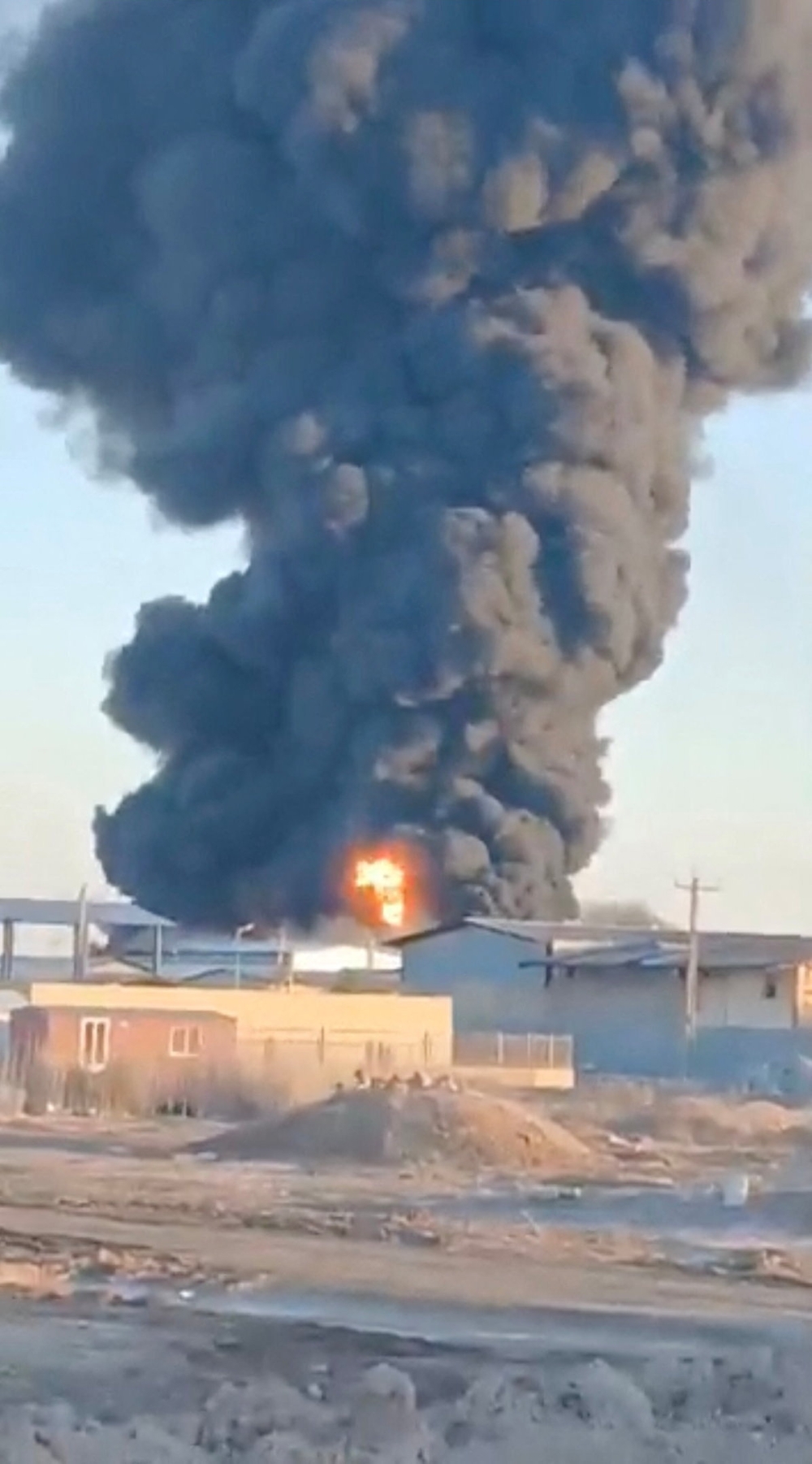
The United States has officially entered the escalating conflict with Iran, launching coordinated military strikes alongside Israel, according to multiple American media reports on Saturday. US officials confirmed that Washington began targeting Iranian positions in what appears to be a joint operation with its long-time ally, Israel.
The development marks a significant shift in regional tensions. Earlier, Israel announced it had carried out strikes against Iran, describing the action as part of its broader security strategy against what it considers a persistent regional threat. Following the attacks, Israeli authorities also confirmed the temporary closure of the country’s airspace as a precautionary measure.
Reports from various US outlets cited senior American officials who stated that US forces had initiated targeted strikes in coordination with Israeli operations. However, the Pentagon did not immediately respond to requests for official confirmation or further details regarding the scope, objectives, or duration of the mission.
This move signals a dramatic escalation in Middle Eastern geopolitics, raising concerns about potential retaliation and the broader implications for global security, energy markets, and diplomatic relations. Iran and Israel have long maintained a hostile relationship, frequently engaging in indirect confrontations across the region. Direct military engagement involving the United States introduces a new and potentially volatile dimension to the conflict.
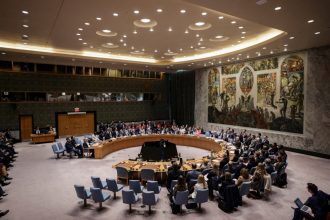
International observers are closely monitoring the situation as global leaders call for restraint and diplomatic dialogue to prevent further escalation. The coming hours and days are expected to determine whether this joint military action remains limited or triggers a wider regional crisis.
Beyond the strategic calculations and political statements, the human cost of conflict looms heavily. Families across the region face uncertainty, fear, and the possibility of displacement. Ordinary citizens—many of whom desire peace and stability—once again find themselves caught in the shadow of geopolitical rivalries. As tensions rise, the world watches, hoping diplomacy can prevail before more lives are affected.