Iran and the United States confirmed on Wednesday that they will proceed with nuclear talks in Oman later this week, despite mounting tensions and high-profile warnings from President Donald Trump.
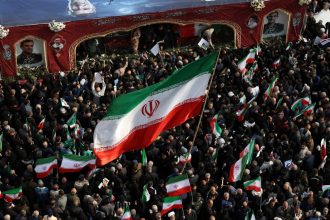
Earlier reports had sparked doubts about whether the negotiations would continue, with claims that the talks were faltering over disagreements about the meeting’s location and format. This uncertainty fueled fears of renewed US military action against Tehran, especially after Iran’s violent crackdown on some of the country’s largest protests since the 1979 Islamic Revolution.
However, Iranian Foreign Minister Abbas Araghchi clarified that the discussions are now “scheduled” for Friday in Muscat. He expressed gratitude to Oman for facilitating the arrangements. The White House also confirmed that the meeting would go ahead in Oman.
Initial diplomatic plans had pointed to Turkey as the venue, but disagreements over location and whether Iran’s ballistic missile program should be part of the agenda created friction. Axios reported that the US had even considered withdrawing from the talks.
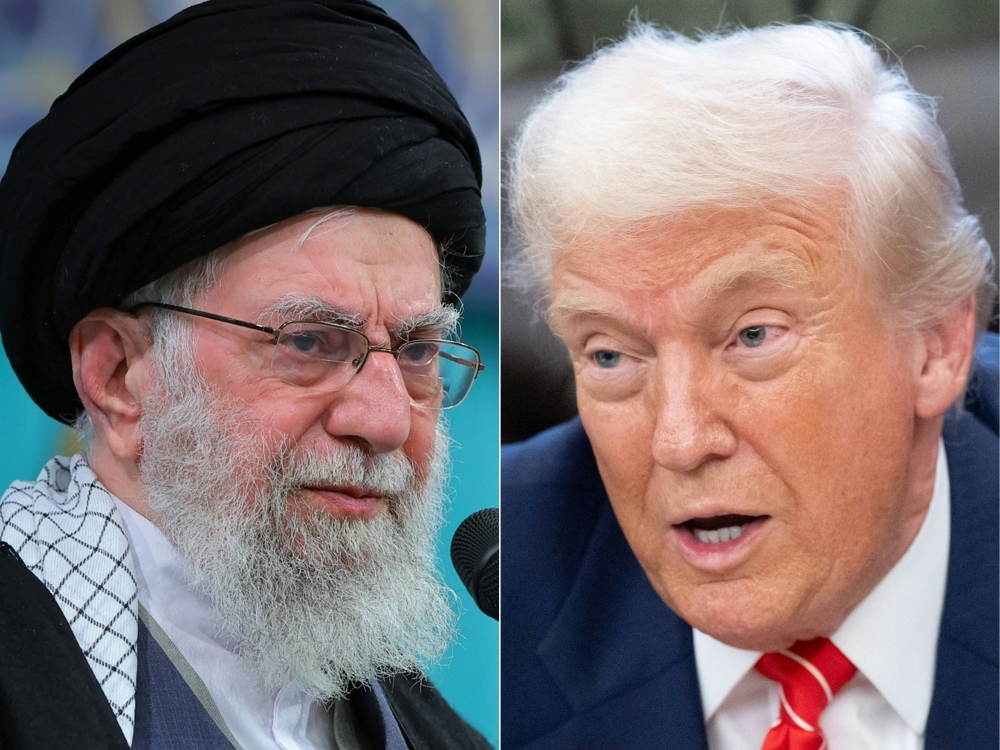
Trump, meanwhile, continued to intensify pressure on Iran’s Supreme Leader Ayatollah Ali Khamenei, warning him that he should be “very worried.” In a statement to NBC News, Trump also claimed that Iran had considered establishing a new nuclear facility following US strikes on Iranian nuclear sites during Israel’s June conflict with the Islamic Republic.
“They were thinking about starting a new site in a different part of the country,” Trump said. “We found out about it, I said, you do that, we’re going to do very bad things to you.”
The US has bolstered its military presence in the region, sending an aircraft carrier group, which Trump referred to as an “armada,” and recently shot down an Iranian drone. Iran has responded with threats of retaliation if US forces are attacked.
US Secretary of State Marco Rubio emphasized that any meaningful discussions must include Tehran’s missile program, sponsorship of regional terrorist organizations, its nuclear program, and the treatment of Iranian citizens. He confirmed that while Trump’s envoy Steve Witkoff was prepared to meet in Turkey, conflicting reports about Iran’s willingness to participate caused delays.
Iran has historically refused to discuss its missile program, describing these weapons as a defensive necessity, particularly against threats from Israel. Nevertheless, the Islamic Republic faces mounting pressure both internally, from nationwide protests, and externally, following Israel’s military actions and the loss of key regional allies.
As the world watches, the upcoming Oman talks carry heavy significance. Both sides face a delicate balancing act: addressing security concerns without igniting further conflict. For ordinary citizens in Iran and the region, the outcome could influence not just diplomatic relations but the day-to-day safety and stability of their lives.