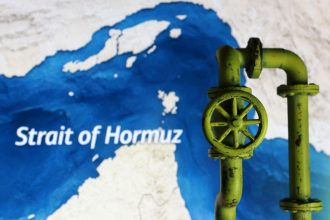
In a strategic effort to protect its vital oil exports, Iraq has initiated discussions with Iran to ensure the safe passage of its oil tankers through the Strait of Hormuz. This move comes at a critical time, as recent attacks on tankers in Iraqi waters have disrupted the country’s crude export operations and raised global concerns over energy security.
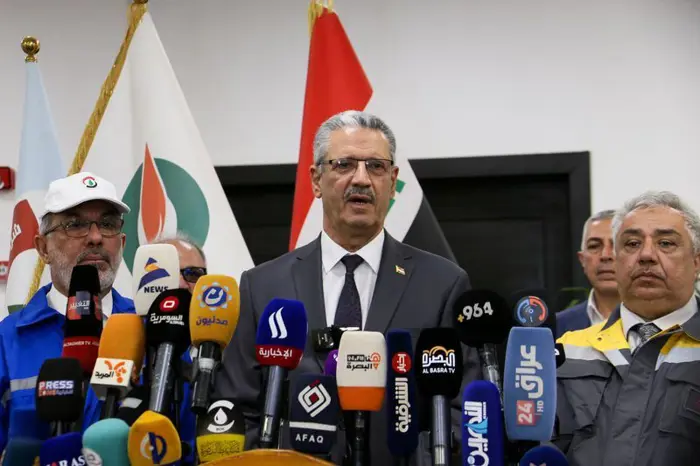
According to Iraq’s Oil Minister Hayan Abdel-Ghani, the government is actively negotiating with Tehran to allow Iraqi tankers smoother transit through one of the world’s most important maritime oil routes. The Strait of Hormuz, a narrow but crucial waterway, handles a significant portion of global oil shipments, making any disruption a serious concern for international markets.
At the same time, Iraq is working on an alternative solution to reduce its dependence on this volatile route. The country has begun efforts to revive a long-dormant pipeline that would transport oil directly from Kirkuk to Turkey’s Ceyhan port. This pipeline, which has been inactive for over a decade, could provide a safer and more stable export channel.
The oil ministry has already initiated inspections on a 100-kilometer section of the pipeline, with completion expected within a week. Once operational, this route could initially handle around 250,000 barrels of oil per day, potentially increasing to 450,000 barrels if additional supply from the Kurdistan region is included.
The pipeline was originally shut down in 2014 following repeated attacks by Islamic State militants, which made operations unsafe. However, with current geopolitical tensions impacting maritime routes, Iraq sees its revival as a necessary step toward securing its energy exports.
Meanwhile, tensions between Baghdad and the Kurdistan Regional Government continue to complicate matters. Iraq has attempted to use existing Kurdish pipelines as a temporary solution, but disputes have arisen over conditions imposed by regional authorities. Baghdad has warned of possible legal action if these routes remain blocked, while Kurdish officials deny any obstruction and point to unresolved security and economic challenges.