Italy has taken an unusual step by temporarily suspending parts of its Schengen arrangements with Spain following a major increase in migrant arrivals into Spain’s Ceuta enclave in North Africa, a territory located near Morocco.
Italian Prime Minister Giorgia Meloni described the one-month suspension as an “extraordinary measure” aimed at protecting national security and preventing possible impacts on Italy.
The Italian Interior Ministry confirmed that maritime and air entry controls from Spain had been strengthened. However, authorities clarified that the decision would not affect Spanish citizens or other European travellers visiting Italy under normal conditions.
Italy also announced that discussions with France would continue to strengthen existing land border controls, as European nations seek coordinated solutions to manage increasing migration pressures across the continent.
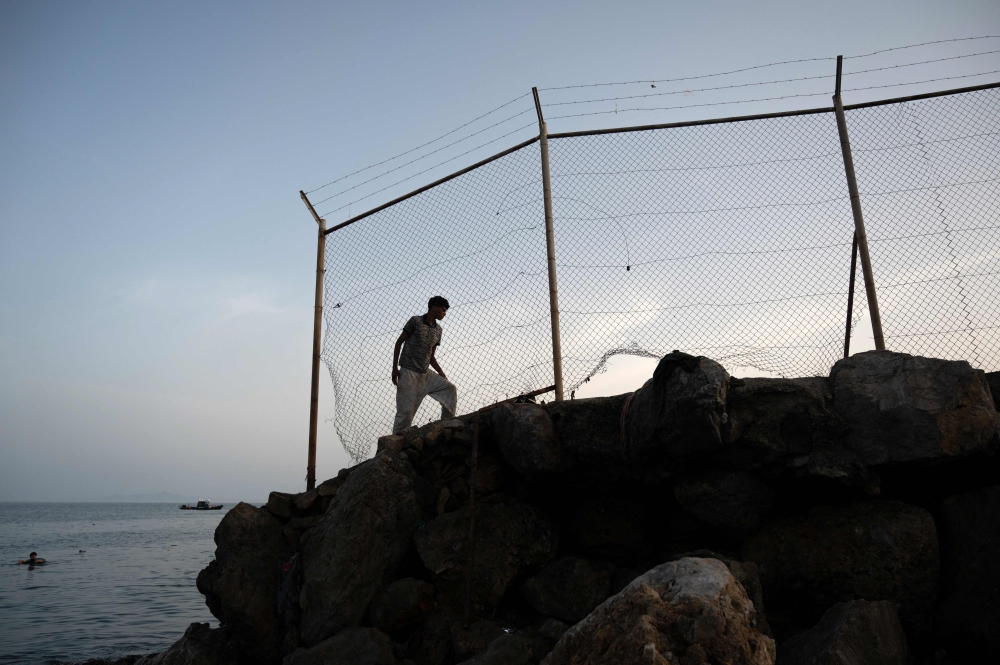
The decision came after dramatic scenes from Ceuta, where thousands of migrants attempted to enter the Spanish enclave. Meloni said the situation highlighted the need for stronger management of Europe’s external borders.
Italy’s current government has made migration control a major priority, introducing measures aimed at reducing irregular sea arrivals, including agreements with North African countries to limit departures and tighter rules affecting humanitarian rescue operations in the Mediterranean.
Italian Foreign Minister Antonio Tajani said the suspension was allowed under European treaties and had become necessary due to the growing migration challenge. He emphasized that migration management should be treated as a shared responsibility among European Union members.
Meloni added that Italy would support European efforts to help Spain regain stronger control over the EU’s external borders, calling for greater cooperation between member states to address what she described as uncontrolled migration flows.
The move has reignited debate across Europe about border security, migration policies, humanitarian responsibilities, and how countries can work together while maintaining the principles of free movement within the Schengen area.
At the heart of this issue are real human stories — families searching for safety, governments trying to protect their borders, and communities facing the challenges of sudden change. Finding a balance between security and compassion remains one of Europe’s biggest tests, requiring cooperation, understanding, and responsible leadership.