Lebanon has declared a national day of mourning after a wave of devastating Israeli airstrikes killed nearly 200 people, casting serious doubt over an already fragile ceasefire between the United States and Iran.
The temporary truce, agreed upon by Washington and Tehran for two weeks, was meant to pause a conflict that has already claimed thousands of lives across the Middle East and disrupted the global economy. Both sides had presented the agreement as a step toward peace—but the situation quickly began to unravel.
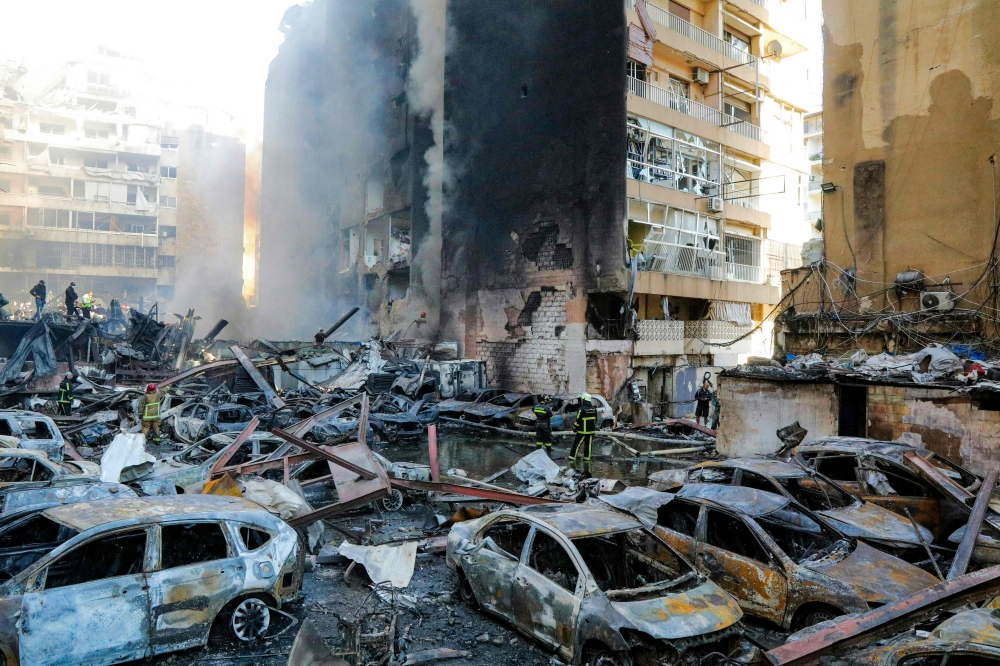
Tensions escalated sharply when Israel launched its most intense attacks yet on Lebanon, targeting areas linked to Hezbollah, the Iran-backed group that entered the conflict earlier this year. According to Lebanon’s health ministry, at least 182 people were killed and hundreds more injured in a single day of strikes.
Confusion over the scope of the ceasefire added fuel to the crisis. Israel maintained that Lebanon was not included in the agreement, a position supported by US officials. In response, Lebanon’s leadership announced Thursday as a day to honor the victims, shutting down public institutions and lowering flags nationwide in tribute to those lost.
Soon after, Hezbollah retaliated, launching rockets toward Israel and accusing it of violating the truce. The exchange has intensified fears that the ceasefire could collapse entirely.
US Vice President JD Vance reinforced Washington’s stance, stating that Lebanon was never part of the agreement. He warned that if Iran chose to walk away from negotiations over this issue, it would be their decision.
On the other side, Iran signaled growing frustration. Parliament Speaker Mohammad Bagher Ghalibaf accused the US of already breaching the agreement, citing continued attacks in Lebanon, alleged airspace violations, and disagreements over Iran’s nuclear rights. His remarks suggested that ongoing peace talks could be at risk.
Meanwhile, civilians in Lebanon described scenes of chaos and fear as strikes hit without warning. In Beirut, residents spoke of people running in panic as smoke filled the skies. The scale of destruction has drawn global concern, with UN officials calling the situation deeply alarming.
The conflict has already taken a heavy toll, with more than 1,700 lives lost in Lebanon over the past month alone. Iran’s Revolutionary Guards have warned they are prepared to respond if attacks continue, while Israel has made it clear it remains ready for further confrontation if necessary.
Diplomatic efforts are now hanging by a thread as high-level talks are expected to take place in Pakistan. Iran has confirmed its delegation will arrive for what it calls “serious negotiations,” though major disagreements remain unresolved.
One of the most critical concerns is the Strait of Hormuz, a vital global shipping route. Iran has hinted at alternative pathways due to rising security risks, raising fears about potential disruptions to oil and gas supplies worldwide.
Despite the tensions, some leaders continue to call for restraint. Pakistan’s Prime Minister Shehbaz Sharif urged all sides to respect the ceasefire window, emphasizing the importance of diplomacy in preventing further escalation.
Even as political leaders exchange warnings, ordinary people are left navigating uncertainty. In Tehran, residents reported a quieter atmosphere following days of fear, with some expressing cautious relief.