Mediators Egypt, Qatar, and six other Muslim-majority nations have raised serious concerns after Israel stated it intends to open the Rafah crossing as a one-way exit for Palestinians leaving Gaza.
In a joint statement released yesterday, the foreign ministers of Egypt, Indonesia, Jordan, Pakistan, Qatar, Saudi Arabia, Turkey, and the United Arab Emirates said they were deeply alarmed by Israel’s announcement, stressing that any move aimed at transferring Gaza residents into Egypt is unacceptable.
They firmly rejected any attempt to displace the Palestinian people, reiterating that Palestinians should not be compelled or pressured to leave their homeland under any circumstances.
The ministers urged for the Rafah crossing — Gaza’s main humanitarian gateway — to be reopened in both directions, aligning with what they said was outlined in former US President Donald Trump’s peace plan.
Israel announced on Wednesday that it plans to open the crossing to allow Palestinians to leave “in the coming days.” However, Egypt swiftly dismissed claims of agreeing to such an arrangement, countering that any reopening must allow movement both ways and not be restricted to outward passage only.
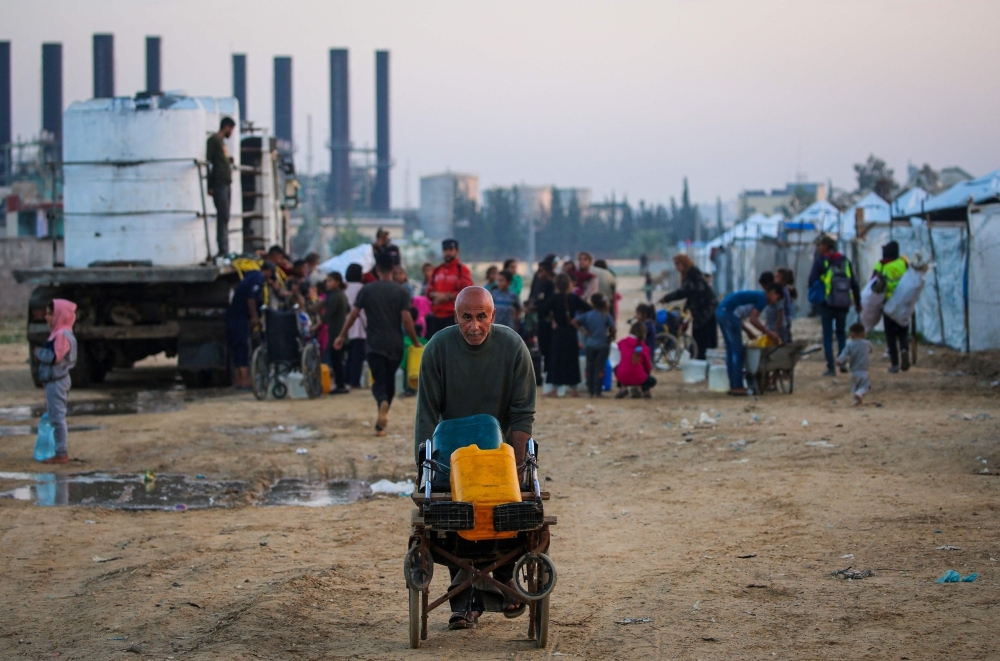
Reopening the Rafah crossing has long been a demand of UN agencies and humanitarian groups who warn of dire conditions inside Gaza. Yet, despite the ceasefire that took effect in October, Israeli authorities have delayed progress, citing the return of hostage remains and the need for closer coordination with Egypt.
Behind these political statements lie real families, real fears, and real uncertainty. As leaders debate borders and crossings, ordinary Palestinians continue to hope for safety, dignity, and the simple right to remain on their own land. This moment is more than geopolitics — it is a human story still unfolding.