The United Arab Emirates faced a wave of missile and drone attacks on Monday, marking one of the most intense escalations in the region since the Middle East conflict began. The strikes resulted in the death of one civilian, disrupted operations at Dubai International Airport, and triggered a fire at a key oil facility in Fujairah.
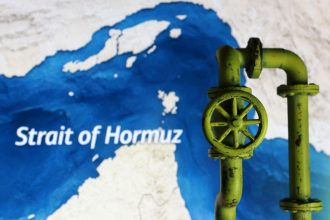
The attacks are part of an ongoing campaign linked to rising regional tensions, with Iran continuing its offensive across the Gulf. These developments have begun to significantly affect both commercial aviation and vital energy infrastructure, particularly around the Strait of Hormuz, a critical route for global oil shipments.
In Umm Al Quwain, a typically peaceful northern emirate, a drone strike damaged a building, though no casualties were reported. Meanwhile, in Fujairah, authorities confirmed that a drone attack ignited a fire at oil infrastructure. Emergency teams have been working to contain the blaze, and no injuries have been reported so far.
The situation has also impacted the UAE’s oil operations. ADNOC, the country’s state-owned energy company, has temporarily halted oil loading activities at its Fujairah facility following repeated attacks. This move reflects growing concerns about the safety and stability of energy supply chains in the region.
Tragically, a civilian lost their life on the outskirts of Abu Dhabi after a missile struck a vehicle. Since the conflict began, the UAE has reported a total of seven fatalities, including both civilians and military personnel.
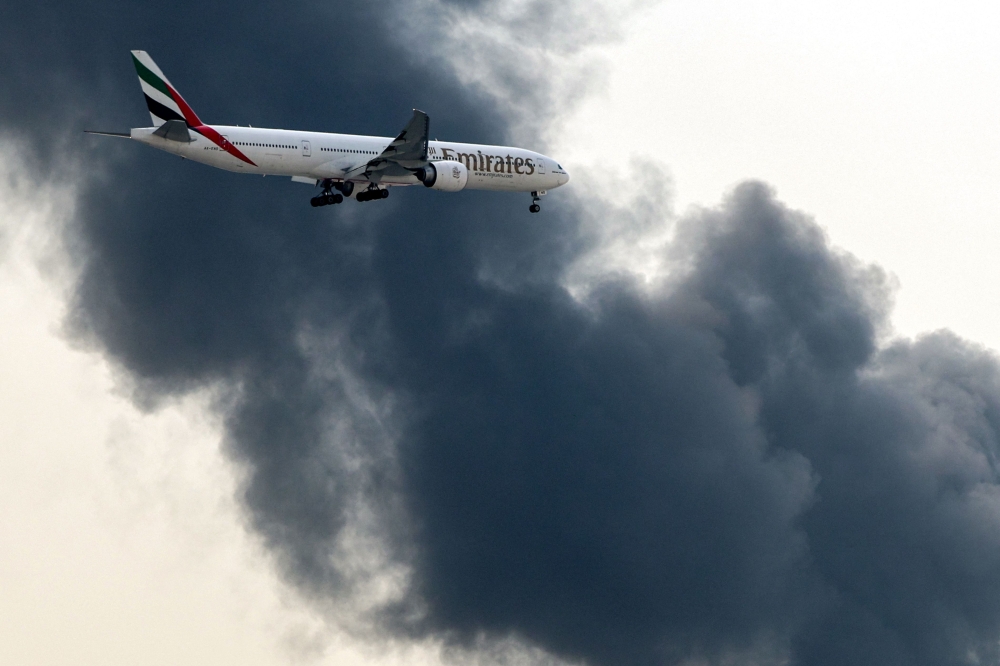
Dubai International Airport, one of the busiest travel hubs in the world, experienced significant disruption after a drone-related incident caused a fire near a fuel storage area. Flights were temporarily halted, and passengers were evacuated as a precaution. Although operations have gradually resumed, the incident has shaken confidence among travelers.
Eyewitnesses described seeing thick smoke rising near the airport, while others spoke of repeated explosions over recent weeks. For many passengers, the experience has been deeply unsettling, turning what should have been routine travel into moments of fear and uncertainty.
The broader Gulf region has also felt the impact. Explosions were reported in Doha, while Saudi Arabia intercepted dozens of drones. Qatar and Bahrain confirmed multiple missile and drone interceptions, highlighting the widespread reach of the ongoing conflict.
These events underscore how quickly geopolitical tensions can spill over into everyday life, affecting not only governments and industries but also ordinary people. Travelers, workers, and families across the region are now navigating an atmosphere of uncertainty, where safety and stability can no longer be taken for granted.
At its core, this is not just a story about conflict, infrastructure, or geopolitics. It is about people—those waiting at airports, those working to contain fires, and those living through nights filled with the sound of distant explosions. In moments like these, the human cost becomes impossible to ignore, reminding us that behind every headline are lives disrupted, fears heightened, and a shared hope for peace.