
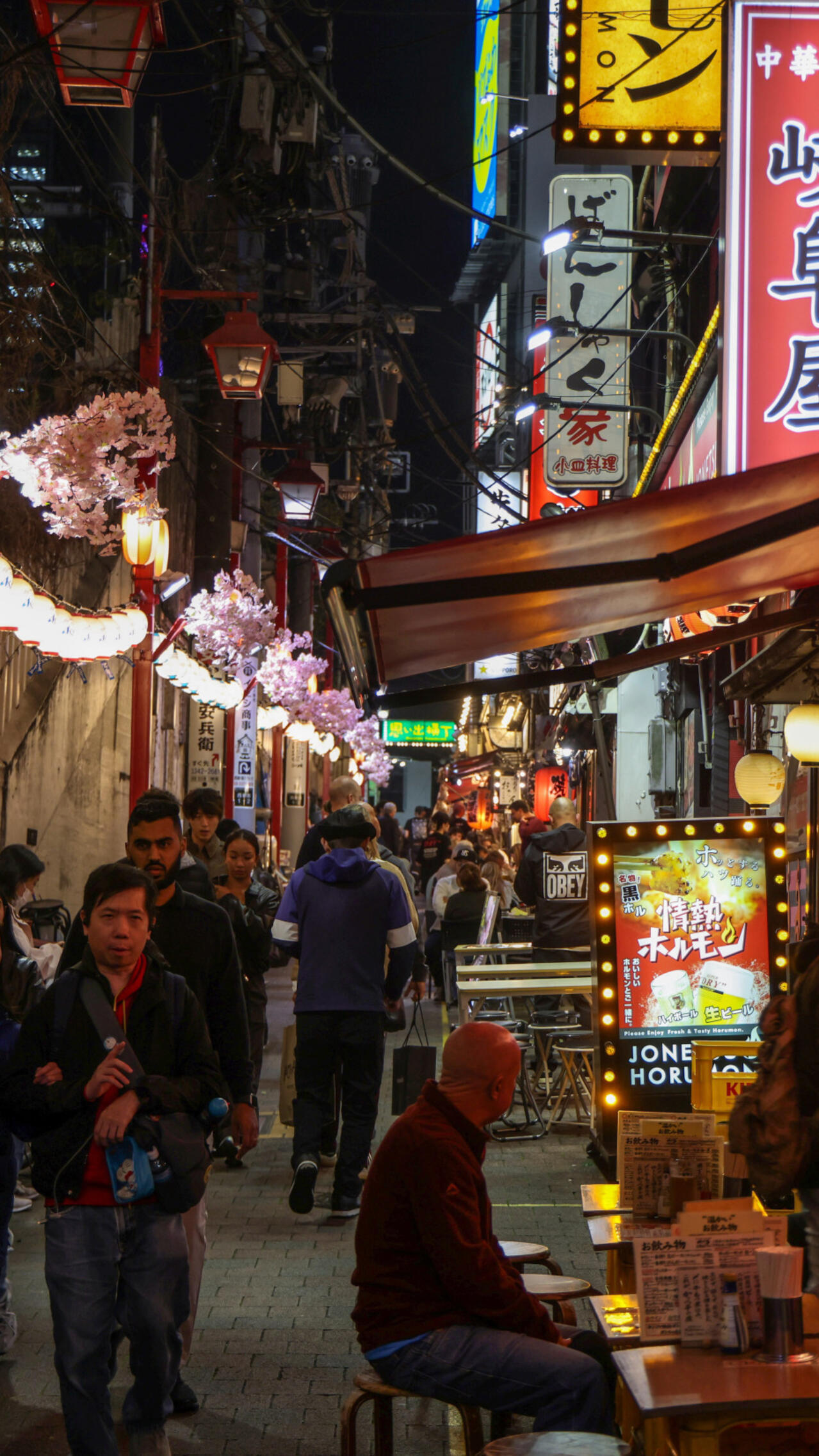
Tokyo’s Shinjuku, one of Japan’s busiest tourist and entertainment districts, is preparing to tighten restrictions on short-term holiday rentals after a growing number of residents complained about noise, rubbish, smoking and other problems linked to tourists and accommodation operators.
The proposed changes could affect more than half of the approximately 4,000 short-term rental properties operating across Shinjuku, potentially forcing around 2,000 properties to close.
The move highlights a growing challenge for Japan: how to welcome millions of international visitors while protecting the everyday lives of people living in the country’s most popular destinations.
Shinjuku residents say tourism is changing daily life
Shinjuku is famous for its bright nightlife, restaurants, shopping streets and busy commercial areas. It is also home to a large residential community, creating an increasingly difficult balance between tourism and everyday life.
According to a Shinjuku ward official overseeing private lodging regulations, complaints and disputes involving holiday rentals have increased as the number of properties has grown.
The proposed ordinance would prohibit private lodging businesses in residential zones and areas located close to schools.
The official said the number of complaints increased by around 40 percent during the fiscal year ending in March.
Many of the complaints reportedly involve rubbish disposal, while others relate to smoking, excessive noise and visitors entering areas where they should not be.
For residents, these issues are not simply about tourism statistics. They are about what happens when large numbers of visitors share the same neighbourhoods, streets and residential buildings with local communities.
Around 2,000 properties could be affected
Shinjuku currently has around 4,000 short-term rental properties, according to information published by the ward.
Under the proposed changes, more than 50 percent of those properties could be affected by the new restrictions.
That could mean approximately 2,000 properties eventually closing, although the exact number of Airbnb listings and other online rental properties affected remains unclear.
Importantly, the proposed policy is expected to apply to existing holiday rentals. Further details are expected to be formally announced by the Shinjuku mayor.
The decision could have a significant impact on property owners, accommodation operators and tourists who have increasingly relied on short-term rentals as an alternative to hotels.
Japan wants more tourists, but overtourism is becoming harder to ignore
The decision comes at a time when Japan is actively encouraging international tourism.
Japan welcomed around 42 million foreign visitors in 2025 and has set an ambitious target of attracting 60 million international tourists by 2030.
That growth brings major economic opportunities for hotels, restaurants, retailers, transport operators and local businesses.
But it also creates pressure on popular destinations.
Kyoto, another major tourist destination, has faced complaints about overcrowding, traffic, rising property prices and visitors gathering in sensitive residential areas.
Residents in different parts of Japan have increasingly raised concerns about tourists who do not understand or follow local customs.
The Shinjuku debate shows that the question is no longer simply how Japan can attract more visitors. It is also about how the country can manage tourism without allowing local communities to feel pushed aside.
Visitors and residents see the issue differently
Some tourists understand why local authorities are considering stricter rules.
American visitor Luke Jemison, 24, told AFP that restrictions made sense to him, particularly because of noise concerns.
For some residents, however, the issue goes beyond noise.
Masaru Sato, a Shinjuku resident in his 70s, said that many foreign visitors and private lodging operators do not always follow local rules.
He particularly pointed to rubbish disposal, saying that poor waste management contributes to the neighbourhood becoming dirty.
These comments reflect a wider issue faced by tourist cities around the world: visitors may see a neighbourhood as a temporary destination, while residents experience it as their permanent home.
Why short-term rentals are under greater scrutiny
Holiday rentals have become a popular part of the global tourism industry, particularly through online platforms such as Airbnb.
For travellers, they can offer more space, flexible accommodation and the opportunity to stay in residential neighbourhoods.
For property owners, short-term rentals can provide an attractive source of income.
But cities have increasingly questioned whether large numbers of tourist rentals can coexist with limited housing and established residential communities.
Some critics argue that converting homes into tourist accommodation reduces the supply of long-term housing available to local residents. In areas where demand is already high, this can contribute to rising rents and property prices.
Other concerns include noise, overcrowding, waste management, building security and the ability of local authorities to regulate properties whose occupants change frequently.
Shinjuku is not alone
Tokyo’s proposed restrictions are part of a much larger international debate.
Cities across the world have introduced or considered tighter rules for short-term rentals as tourism numbers have increased.
Barcelona, one of Europe’s most visited cities, has announced plans aimed at ending apartment rentals to tourists by 2029 as part of efforts to address housing pressures.
New York has also introduced strict rules around short-term rentals. Under regulations introduced in 2023, rentals lasting fewer than 30 days are generally prohibited unless the host remains in the property.
Kyoto is also considering additional restrictions, including proposals affecting new short-term rentals in residential and industrial areas.
These examples show that the tension between tourism, housing and local quality of life is becoming a global issue rather than a problem limited to one city.
Japan faces a difficult balancing act
Japan has spent years building its tourism industry and promoting the country as a destination for international travellers.
The results have been significant.
However, rapid tourism growth can bring unintended consequences when popular neighbourhoods become overwhelmed.
Shinjuku’s proposed restrictions represent a difficult balancing act.
On one side is the economic value of international tourism and the businesses that depend on visitors. On the other is the need to ensure that people who actually live in tourist destinations can continue to enjoy clean, safe and peaceful neighbourhoods.
The challenge for policymakers will be finding regulations that address genuine problems without unnecessarily damaging responsible accommodation operators or the wider tourism economy.
The bigger question for global tourism
The Shinjuku decision could become another example of how major destinations are beginning to rethink the idea of unlimited tourism growth.
For travellers, the message is increasingly clear: visiting a foreign country comes with a responsibility to respect the communities that make those destinations worth visiting in the first place.
Simple actions such as following rubbish disposal rules, respecting quiet hours, avoiding smoking where prohibited and staying within designated areas can make a meaningful difference.
Tourism works best when visitors and residents can share the same space without one side feeling that it has lost control of its own neighbourhood.
Shinjuku’s proposed crackdown is therefore about more than Airbnb or holiday rentals. It is part of a much bigger conversation about what sustainable tourism should look like in the future.
Japan still wants millions more international visitors.
The question now is how it can welcome them while making sure its cities remain liveable for the people who call them home.