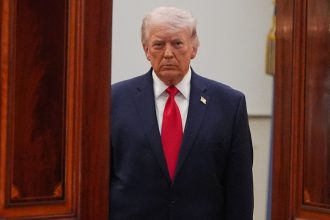
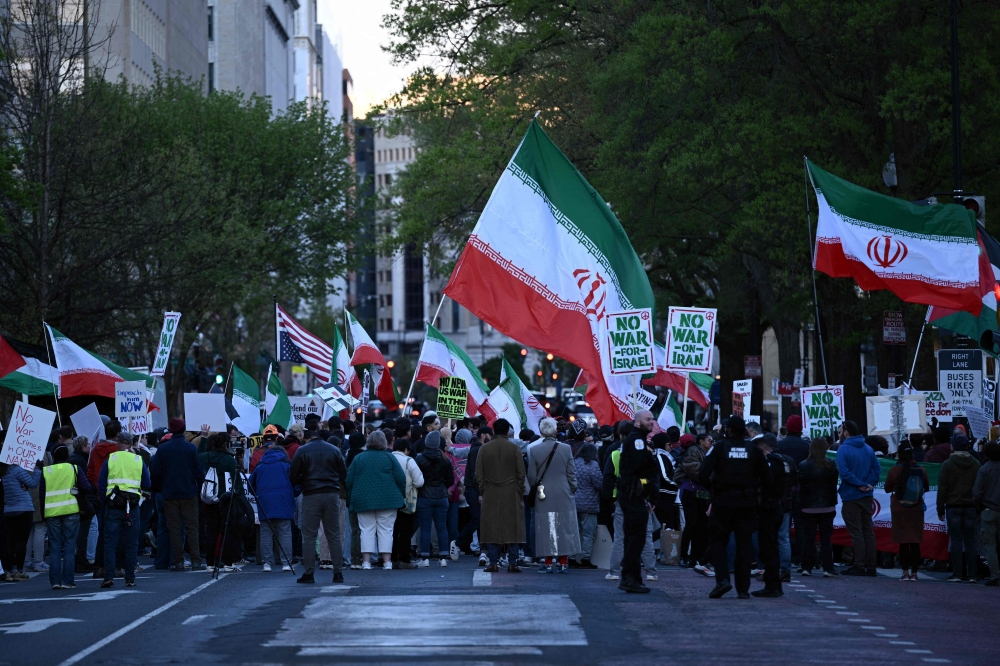
In a dramatic turn of events, the United States and Iran have agreed to a temporary two-week ceasefire, stepping back from the brink of a potentially devastating escalation. The agreement came just an hour before a critical deadline set by President Donald Trump, offering a brief window of relief in a conflict that has shaken global stability for over a month.
As part of the deal, Iran will reopen the strategically vital Strait of Hormuz — a narrow passage through which nearly one-fifth of the world’s oil supply flows. The closure of this route had previously sent shockwaves through global energy markets, driving up fuel prices and raising fears of economic disruption worldwide.
The ceasefire follows weeks of intense military exchanges involving the United States, Israel, and Iran. Amid growing pressure and mounting consequences, both sides have now agreed to return to the negotiating table. Talks are expected to begin in Pakistan, signaling a renewed push toward diplomacy.
President Trump stated that the decision to pause military action came after discussions with Pakistani leadership, who urged restraint. He emphasized that the suspension of strikes is conditional on Iran ensuring safe and uninterrupted passage through the Strait of Hormuz.
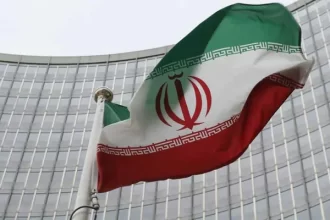
Iran’s Foreign Minister Abbas Araghchi confirmed that maritime routes would remain open during the ceasefire period. He added that Iran’s military operations would halt as long as external attacks cease, indicating a mutual willingness to de-escalate, at least temporarily.
Despite this progress, deep divisions remain. While the United States hinted at progress toward a longer-term agreement, Iran has maintained firm demands — including lifting sanctions, asserting control over the Strait of Hormuz, and the withdrawal of US forces from the region. These conditions highlight the complex and fragile nature of any potential peace deal.
Global markets reacted quickly to the announcement. Oil prices, which had surged during the conflict, dropped sharply as fears of supply disruption eased. For everyday consumers, especially in the United States, this offered immediate financial relief after weeks of rising fuel costs.
However, the situation remains tense. Israel, a key ally of the United States and an active participant in the conflict, has yet to formally respond to the ceasefire. Prior to the agreement, infrastructure across Iran — including bridges and railways — had been targeted in strikes, leading to casualties and widespread concern.
The rhetoric leading up to the ceasefire had also raised alarms internationally. Strong statements from US leadership sparked fears of large-scale destruction and drew criticism from global figures, including Pope Leo XIV, who condemned threats against civilians as unacceptable.
Pakistan’s role as a mediator has been crucial in this moment. Positioned strategically and maintaining ties with both sides, the country has actively pushed for dialogue and restraint. Prime Minister Shehbaz Sharif expressed optimism that diplomatic efforts are gaining momentum.
On the ground, the human cost of the conflict continues to be deeply felt. Civilians in Iran have lived under the constant fear of attacks, with reports of casualties and communities coming together to protect critical infrastructure. For many, the ceasefire brings not just political significance, but a desperately needed pause from uncertainty and loss.
While this agreement does not mark the end of the conflict, it represents a critical opportunity. The coming two weeks could shape whether diplomacy prevails or tensions reignite. The world now watches closely, hoping that this fragile pause becomes the foundation for lasting peace.
At its core, this moment is a reminder that behind every headline are millions of lives affected — families hoping for safety, communities seeking stability, and a global population deeply connected by the consequences of conflict. Peace is not just a political decision; it is a human necessity.