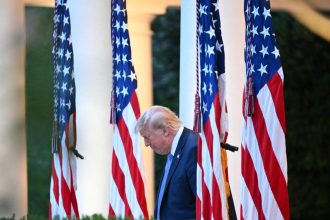
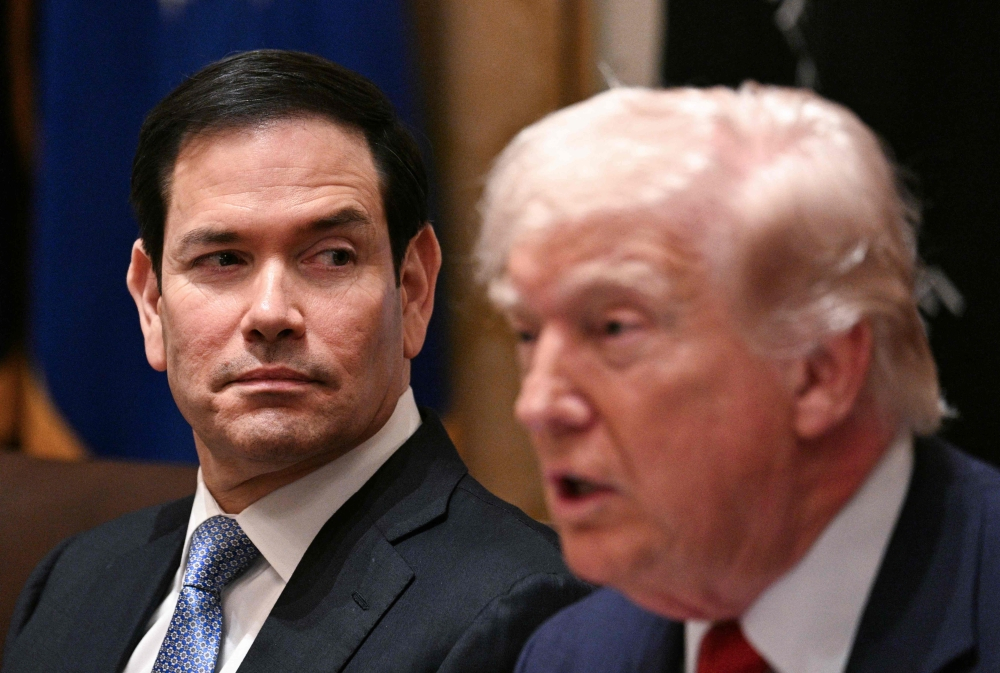
As US Secretary of State Marco Rubio prepares for his upcoming visit to India, political observers and diplomats are closely watching what this trip could mean for the future of India-US relations under the leadership of President Donald Trump.
Unlike his earlier diplomatic engagements, Rubio’s India visit is expected to go beyond formal meetings in New Delhi. His multi-city tour reflects a broader effort to strengthen connections with India at cultural, economic, and strategic levels. However, behind the symbolism of the visit lies a much larger question: where does India stand in Trump’s evolving and highly personalized worldview?
For decades, the United States viewed India as a crucial democratic partner capable of balancing China’s growing global influence. Since the late 1990s, American presidents from both major political parties invested heavily in improving ties with New Delhi, often setting aside disagreements to deepen cooperation in defense, trade, and regional security.
But many analysts believe the current Trump administration has started reshaping that long-standing approach.
Trump’s recent focus on strengthening relations with China, combined with past tariff actions targeting Indian goods, has raised concerns in diplomatic circles. At the same time, Pakistan has once again emerged as an important player in Washington’s regional calculations. Pakistani leadership has openly praised Trump’s diplomatic efforts and renewed strategic engagement with the United States, drawing comparisons to Cold War-era alliances.
Adding to the debate, the Trump administration’s national security strategy reportedly gave limited attention to India, while emphasizing American influence in Latin America and broader cultural battles with European allies.
Despite these concerns, India-US ties continue to grow in several important sectors. Trade partnerships are expanding, defense cooperation remains active, and military purchases between the two countries continue to increase.
According to foreign policy experts, the relationship remains strong on paper, but the deeper strategic alignment that once defined the partnership appears less certain today.
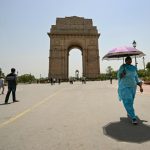
Rubio’s visit itself is expected to be extensive and symbolic. Along with high-level meetings in New Delhi, he is scheduled to travel to Kolkata, Jaipur, and Agra, including a visit to the world-famous Taj Mahal. He will also participate in celebrations marking the 250th anniversary of American independence.
A major highlight of the trip will be Rubio’s participation in discussions with leaders from the Quad alliance, which includes India, Australia, Japan, and the United States. The Quad has long been viewed by China as a strategic grouping aimed at limiting Beijing’s regional influence.
US Ambassador to India Sergio Gor is believed to have played a key role in organizing the visit. Gor, known for his close ties within the Trump administration, has reportedly been influential in shaping Washington’s recent outreach toward India.
Relations between Trump and Indian Prime Minister Narendra Modi were once seen as exceptionally warm. Both leaders built political careers around nationalist and populist messaging, and their public appearances together often attracted massive attention.
However, differences have surfaced in recent years, particularly regarding regional tensions involving Pakistan and Kashmir. India has also remained cautious in responding to Trump’s economic policies, choosing long-term strategic stability over public confrontation.
Experts say India now wants clarity on whether the strategic partnership that strengthened during Trump’s first term and continued under former President Joe Biden will remain a core pillar of US foreign policy moving forward.
As Rubio begins his India tour, the visit may ultimately reveal whether Washington still views India as a central global partner — or simply one relationship among many in a rapidly changing geopolitical landscape.
Humanly speaking, this visit is more than politics, trade deals, or diplomatic speeches. It reflects a larger global reality where nations are constantly trying to understand who truly stands beside them in uncertain times. For millions of people in India and across the world, strong international relationships are not just about strategy — they influence peace, economic opportunities, stability, and the future generations will inherit. Rubio’s visit may not answer every question immediately, but it has certainly sparked a global conversation about trust, loyalty, and the changing balance of power in today’s world.