Malaysia and Bangladesh have reaffirmed their shared commitment to addressing the long-standing Rohingya refugee crisis, agreeing to work more closely through ASEAN-led platforms and diplomatic channels to push for a sustainable and peaceful resolution involving Myanmar authorities.
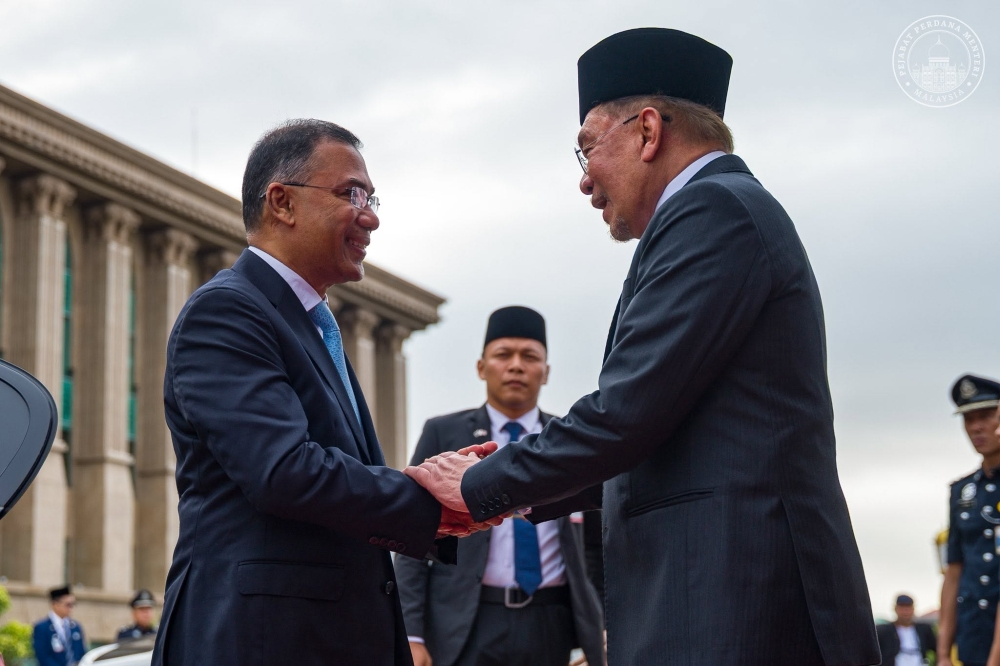
Prime Minister Datuk Seri Anwar Ibrahim emphasized that both nations are united in their concern for the Rohingya community currently residing in Bangladesh and Malaysia. He highlighted that coordinated efforts through foreign ministries and ASEAN mechanisms will be key in engaging Myanmar constructively on the issue.
Speaking at a joint press conference with Bangladesh Prime Minister Tarique Rahman, Anwar noted that the focus will remain on resolving the humanitarian challenges faced by Rohingya refugees through structured regional cooperation and continued diplomatic engagement.
Prime Minister Tarique Rahman expressed deep concern over the situation of the Rohingya people sheltered in Bangladesh, while acknowledging Malaysia’s continued support for efforts aimed at ensuring their safe, dignified, and sustainable repatriation to Myanmar. He also stressed the importance of stronger regional collaboration in addressing shared challenges.
Beyond the refugee issue, both leaders held comprehensive bilateral discussions covering trade, investment, human resource development, semiconductors, energy, agriculture, and education. They also exchanged perspectives on key regional and global matters of mutual interest, signaling a broader push to deepen Malaysia–Bangladesh relations.
The meeting concluded with the witnessing of several key agreements, including a Memorandum of Understanding on Cultural Cooperation and Exchanges of Notes on Counter-Terrorism Research and Investment Promotion and Facilitation, marking a step forward in institutional collaboration between the two nations.
According to recent trade figures, Malaysia–Bangladesh bilateral trade continues to grow steadily, reflecting strong economic ties and mutual dependence in sectors such as petroleum products, textiles, apparel, and footwear.
On a human level, the renewed dialogue offers a quiet sense of hope—hope that persistent diplomatic engagement can eventually ease the suffering of thousands of displaced Rohingya families, and move the region closer to a more stable and humane resolution.